
The 20 Most Expensive Parrots in the World
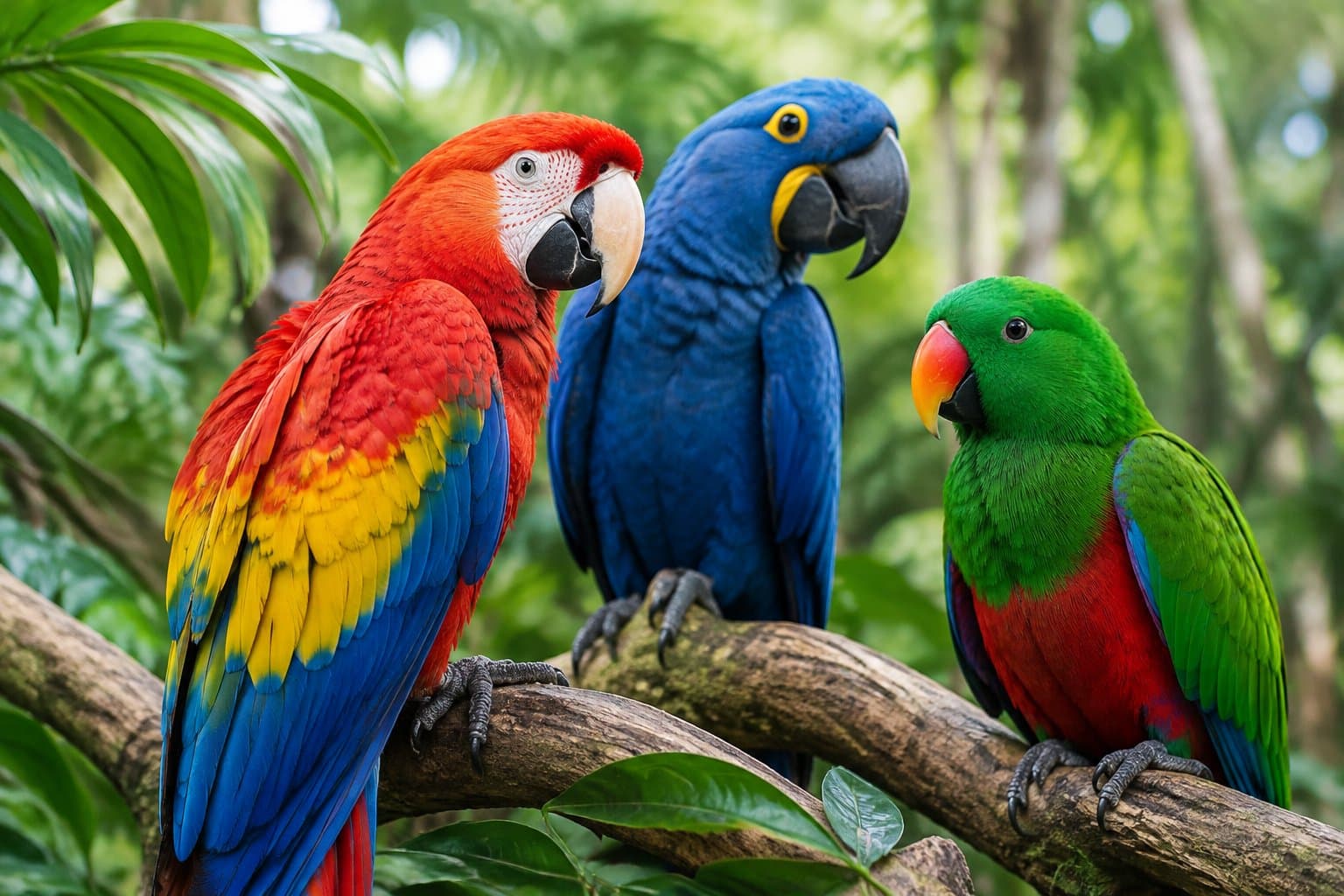
Parrot prices vary widely depending on species, rarity, and breeding difficulty. Some parrots cost as little as a few hundred dollars, while the rarest species sell for as much as a used car, or more.
If you are considering adding a parrot to your home, understanding what drives these price differences can help you make an informed decision. Factors like rarity, temperament, lifespan, and legal restrictions on trade all contribute to why certain parrots command such high prices. Below are 20 of the most expensive parrots you can buy, ranked roughly from highest to lowest price. The prices are the typical ranges reported for hand-raised, captive-bred babies from US breeders, and they vary a lot by breeder, age, and region.
1. Black Palm Cockatoo
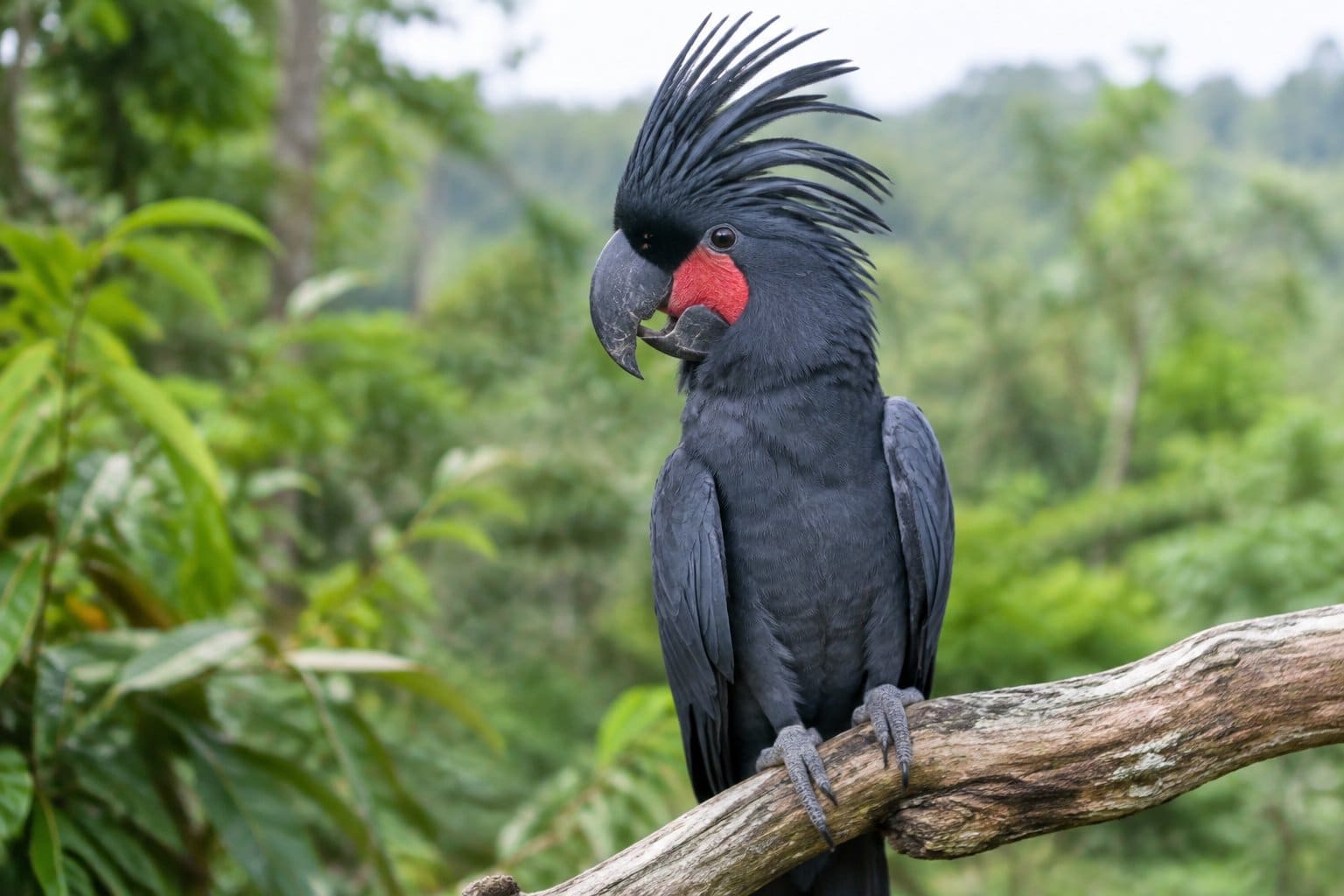
The black palm cockatoo tops the list of expensive parrots, with hand-raised, captive-bred birds typically priced between $15,000 and $20,000 in the US, and sometimes more. You won’t find many breeders offering this species, and that scarcity is the main reason for the steep cost.
This bird breeds very slowly in captivity. Females lay just one egg per clutch, and pairs often breed only every other year, so the supply simply can’t keep pace with demand from serious collectors and aviculturists.
Size plays a role too. You’re looking at one of the largest cockatoo species in the world, measuring up to 24 inches, with a powerful beak capable of exerting serious pressure. That strength demands specialized housing and experienced handling.
Beyond the price tag, you’ll need to commit to a long-term relationship. These birds are long-lived, often reaching 40 years or more with good care, so owning one means accepting decades of responsibility.
Their striking appearance adds to the appeal. The smoky black plumage, prominent crest, and vivid red cheek patches make this cockatoo instantly recognizable and highly sought after among exotic bird enthusiasts.
2. Hyacinth Macaw
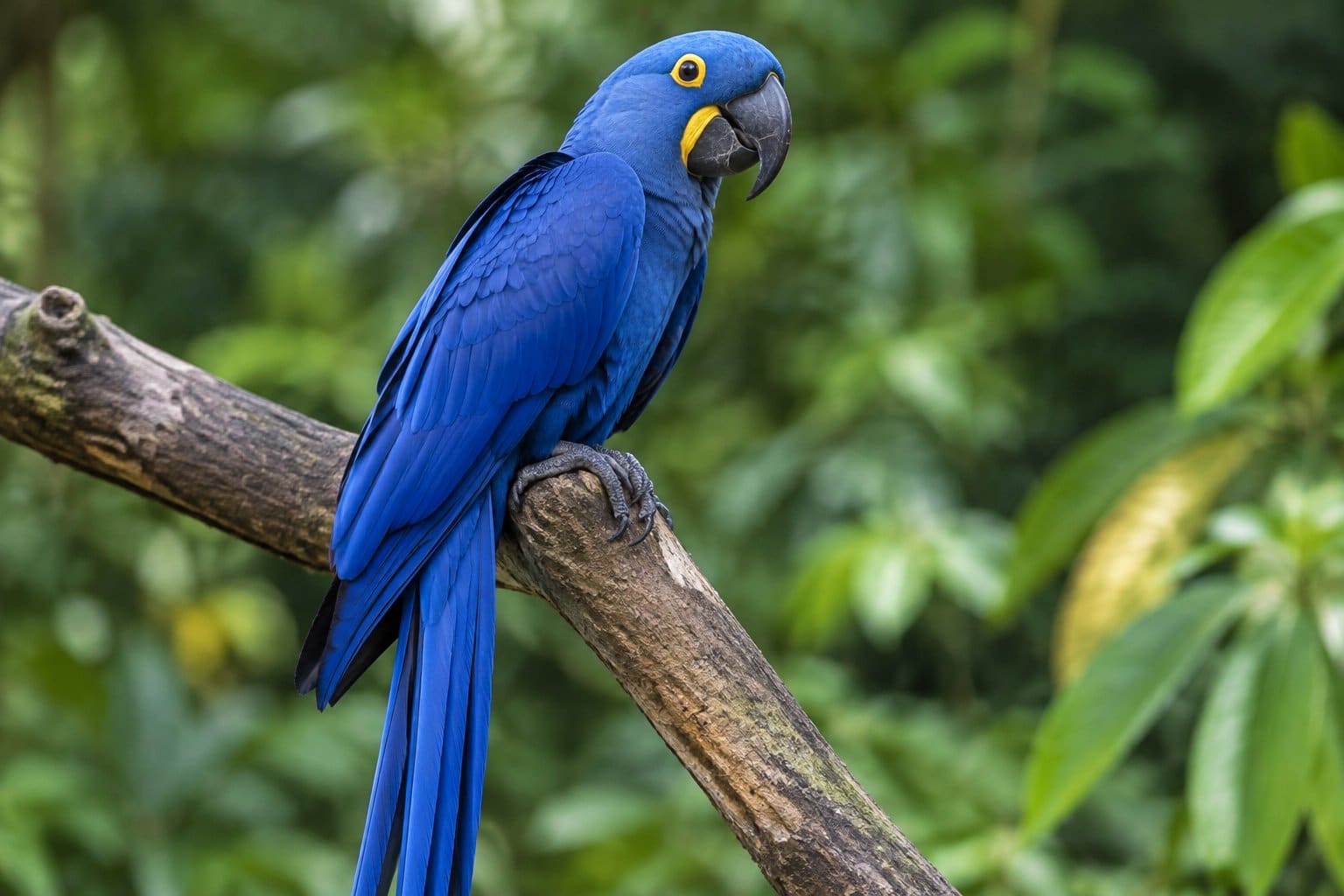
The Hyacinth Macaw is one of the most expensive parrots you can buy. A young, hand-raised hyacinth typically costs upwards of $10,000, often $10,000 to $15,000, and proven breeding adults can sell for more.
You’re paying for the largest flying parrot species in the world, measuring about 3.3 feet (100 centimeters) from beak to tail. Its cobalt-blue plumage and bright yellow eye markings make it one of the most visually striking birds available in the pet trade.
Part of the cost comes from how difficult this species is to breed in captivity. Hyacinth Macaws reach sexual maturity slowly, often taking several years, and they produce small clutches compared to other parrot species. Breeders also need significant space and resources to house a bird of this size properly.
Wild populations have declined due to habitat loss and historical poaching, which adds another layer of scarcity to legally bred specimens. If you’re considering one, you’ll find that demand consistently outpaces the limited supply from reputable breeders.
Their intelligence and generally gentle temperament only add to their appeal, making them a favorite among experienced bird owners willing to pay a premium.
3. Major Mitchell’s Cockatoo
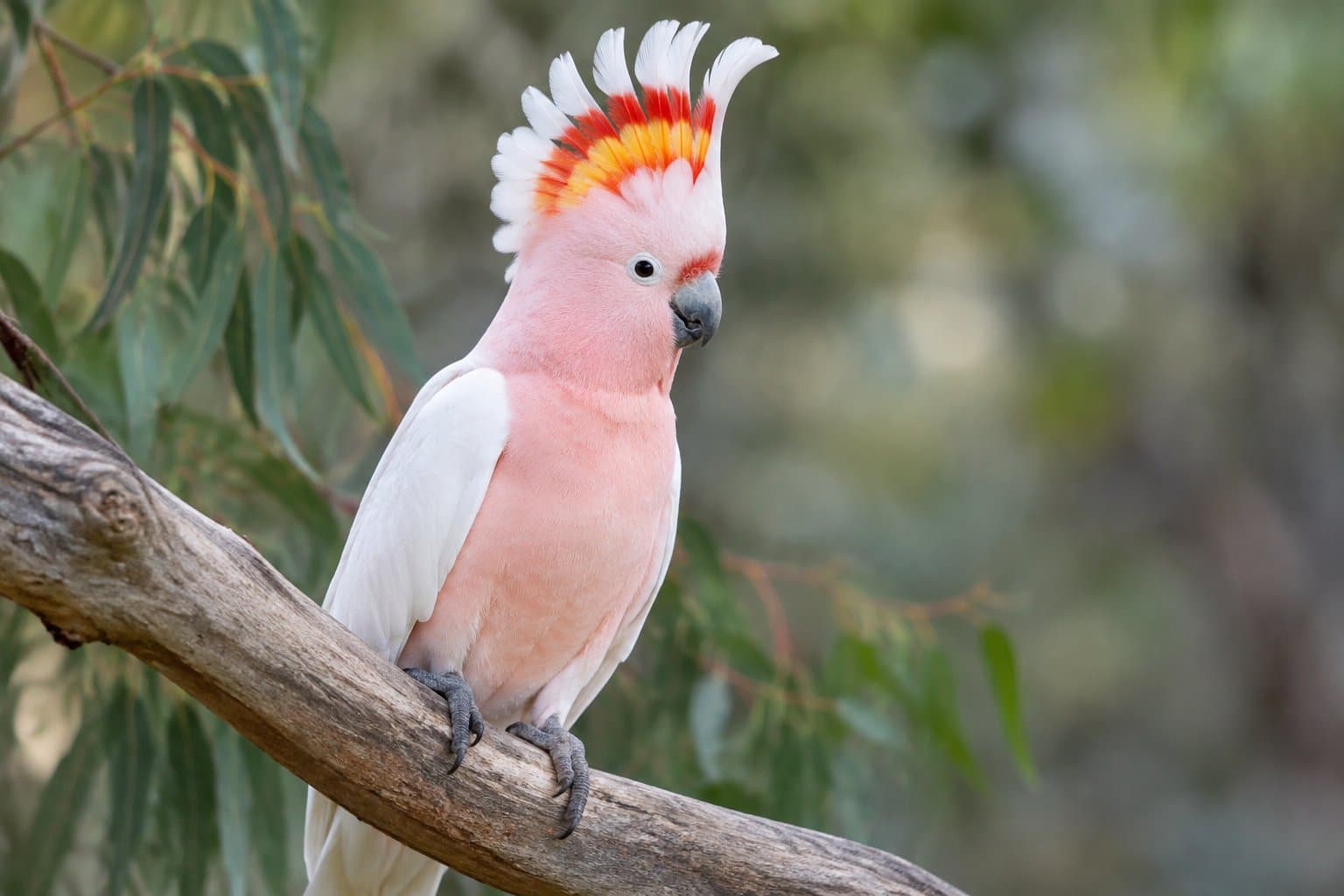
If you’re shopping for this bird, expect to pay somewhere in the range of $4,000 to $10,000 for a hand-raised, captive-bred individual. Where a bird lands in that range depends on its temperament, age, and how well-socialized it is.
You’re paying partly for appearance. The Major Mitchell’s Cockatoo has soft pink and white plumage with a crest that flares into red, yellow, and white bands when raised. Few cockatoos match this coloring, and that visual appeal drives steady demand.
Supply is limited, too. Native to inland Australia, these birds can’t be exported commercially, because Australia bans the export of its native birds for the pet trade, so most of what you’ll find in the US market comes from domestic breeding programs rather than imports. That narrows your options and keeps prices elevated.
Breeding them isn’t simple either. They’re slow to mature and can be selective about mates, which means breeders can’t just scale up production to meet demand. You’re also looking at a long-lived companion, often exceeding 40 years, which adds to their appeal despite the upfront cost.
4. Green-Winged Macaw
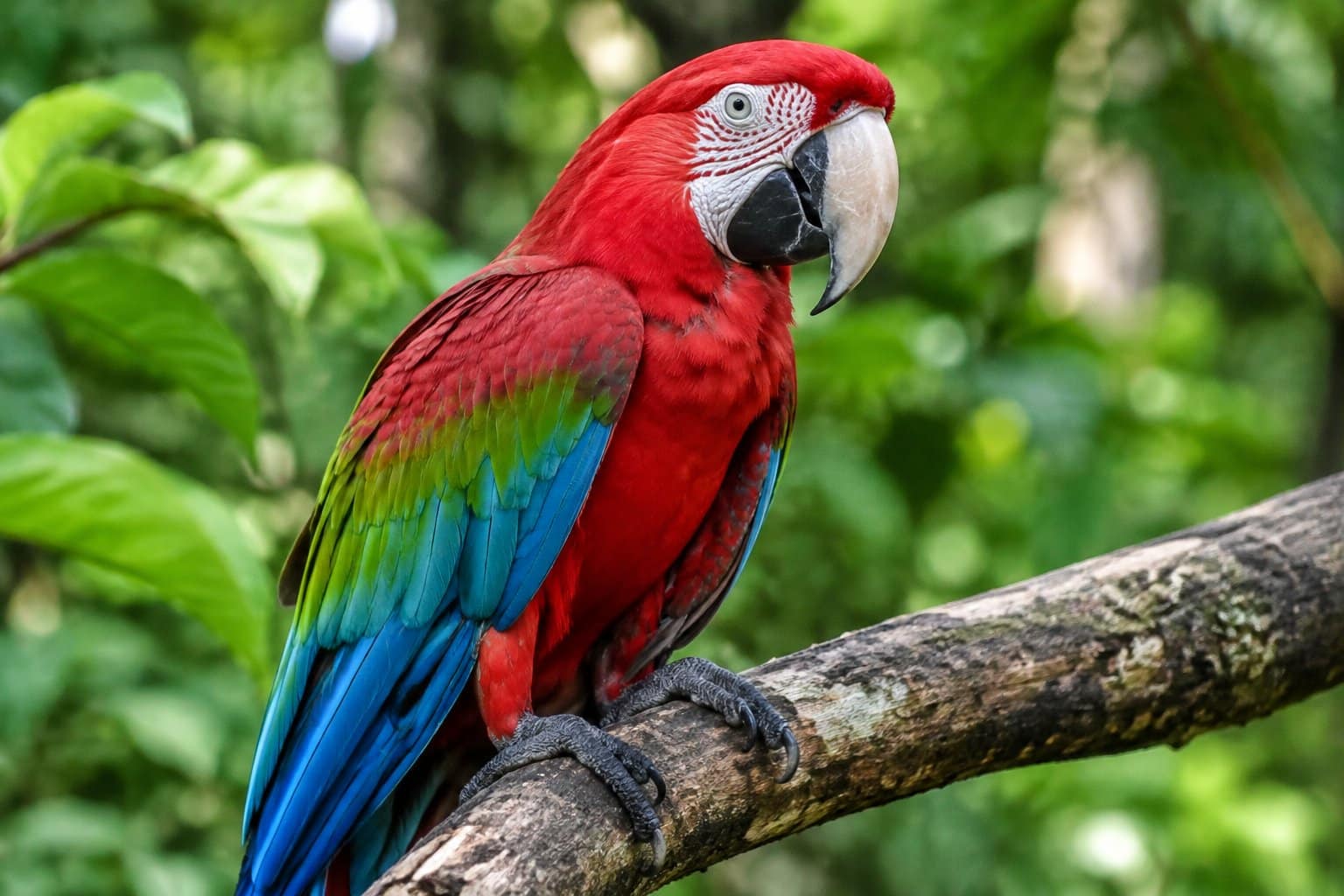
You can expect to pay between $2,500 and $5,000 for a hand-raised, captive-bred Green-Winged Macaw, depending on the breeder, the bird’s age, and its training level. This wide range reflects differences in demand across regions and the reputation of individual breeding programs.
The Green-Winged Macaw stands out for its striking red plumage accented with green and blue flight feathers. Its size also sets it apart. This bird reaches lengths of up to 36 inches, making it one of the larger macaw species available in the pet trade.
Breeding these birds takes time and patience. Macaws mature slowly and don’t typically breed until they’re several years old, which limits how quickly breeders can meet demand.
You’ll also find that their intelligence and social nature drive up their value. These birds require significant interaction and mental stimulation, so breeders who hand-raise them invest considerable time in socialization. That investment gets reflected in the final price you pay.
5. Scarlet Macaw
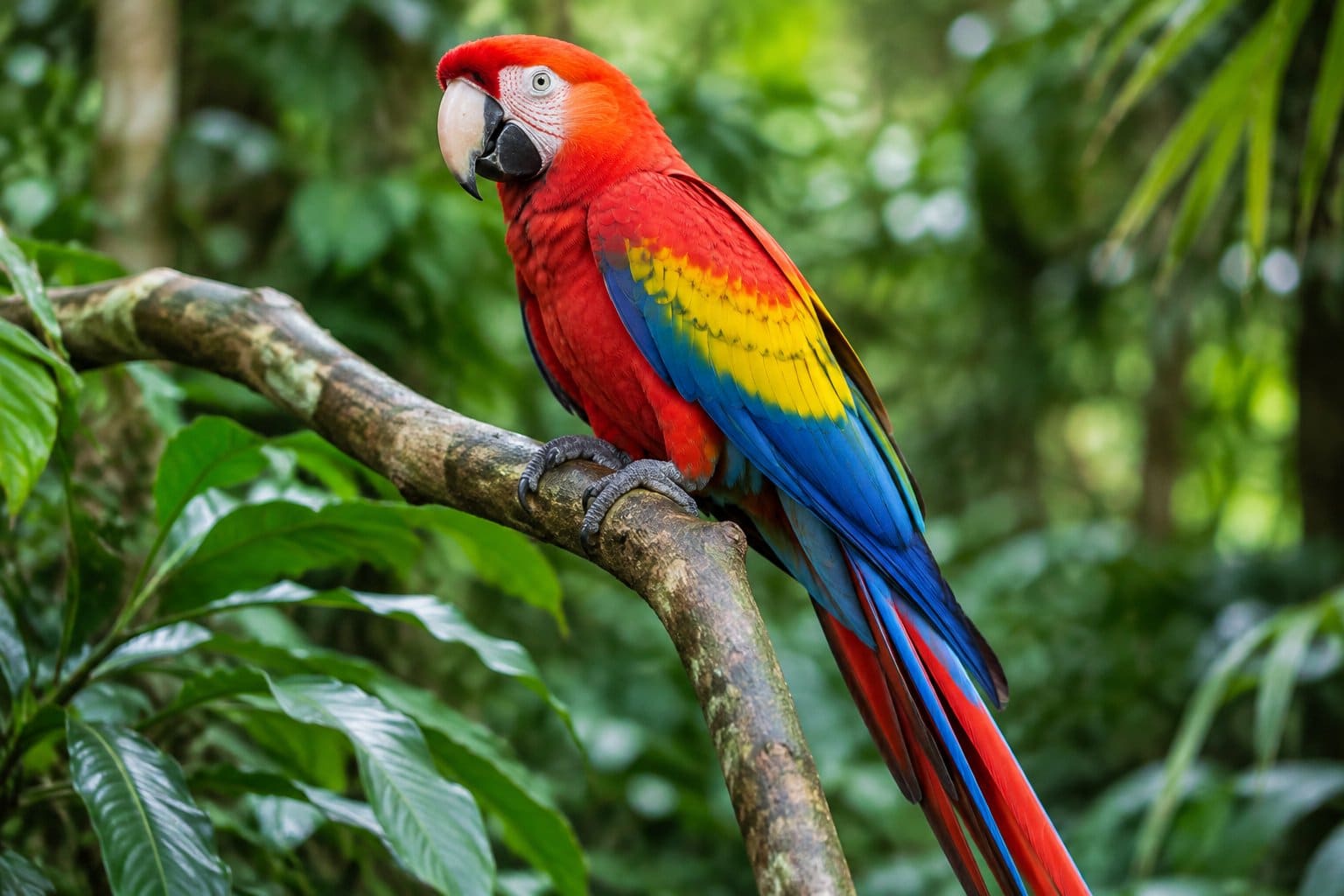
You can expect to pay between $2,000 and $4,000 for a hand-raised Scarlet Macaw. The exact price depends on the breeder, the bird’s age, and how well it has been socialized.
Their appearance plays a major role in their value. You get a bird with vivid red, yellow, and blue plumage, and that combination makes them one of the more recognizable parrots you’ll find in the pet trade.
Size and lifespan also factor into the cost. These birds can live 40 to 50 years, and sometimes longer, in captivity, so you’re committing to a companion that may outlast your own expectations for pet ownership.
Breeding adds another layer of expense. Scarlet Macaws require experienced handlers and specific conditions to breed successfully in captivity, which limits supply and keeps prices from dropping.
You should also consider their intelligence and social needs. They require significant interaction and mental stimulation, and breeders who raise them to be well-adjusted companions invest considerable time before these birds are ready for sale.
6. Blue-Throated Macaw
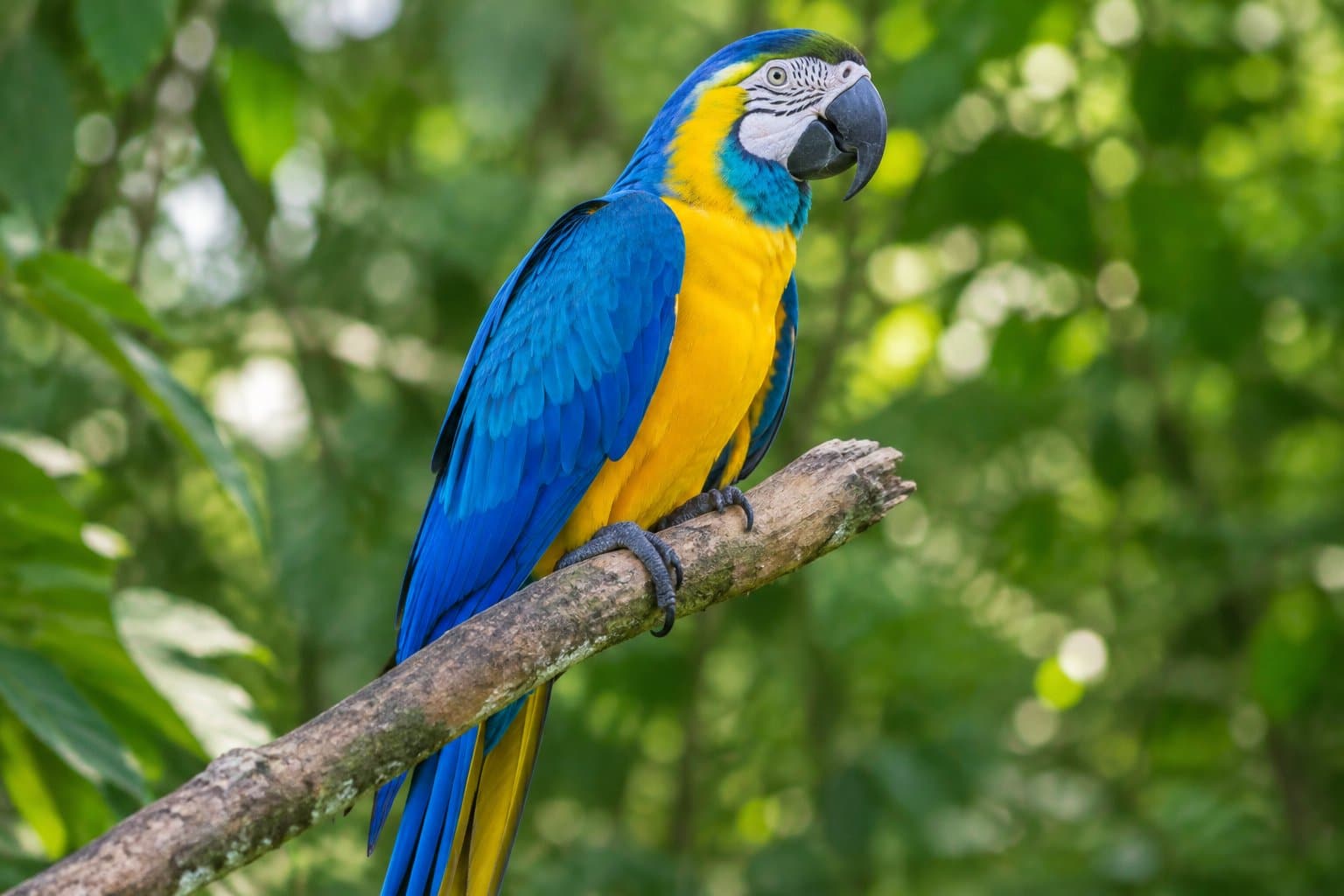
Blue-Throated Macaws are rarely advertised for sale, and breeders don’t often post prices. The few prices reported by owners and breeders run several thousand dollars for a young, captive-bred bird, and because so few are bred, you may wait a long time to find one.
This species comes from a small region of northern Bolivia, and its wild population numbers only in the low hundreds. That scarcity in nature drives much of the demand for captive-bred birds among collectors who want a legal, ethical way to own one. The IUCN lists the species as Critically Endangered.
You’ll notice the bird’s bright blue and yellow plumage and the distinctive blue throat patch that gives it its name. It looks a lot like the Blue-and-Gold Macaw, but it is a little smaller.
Breeding this macaw is difficult. Pairs can be selective about mates, and successful clutches are limited, so supply never quite catches up with demand.
You’re also paying for the bird’s size and intelligence. Blue-Throated Macaws need large enclosures, consistent social interaction, and mental stimulation, which adds to their reputation as a high-investment pet.
7. Golden Conure
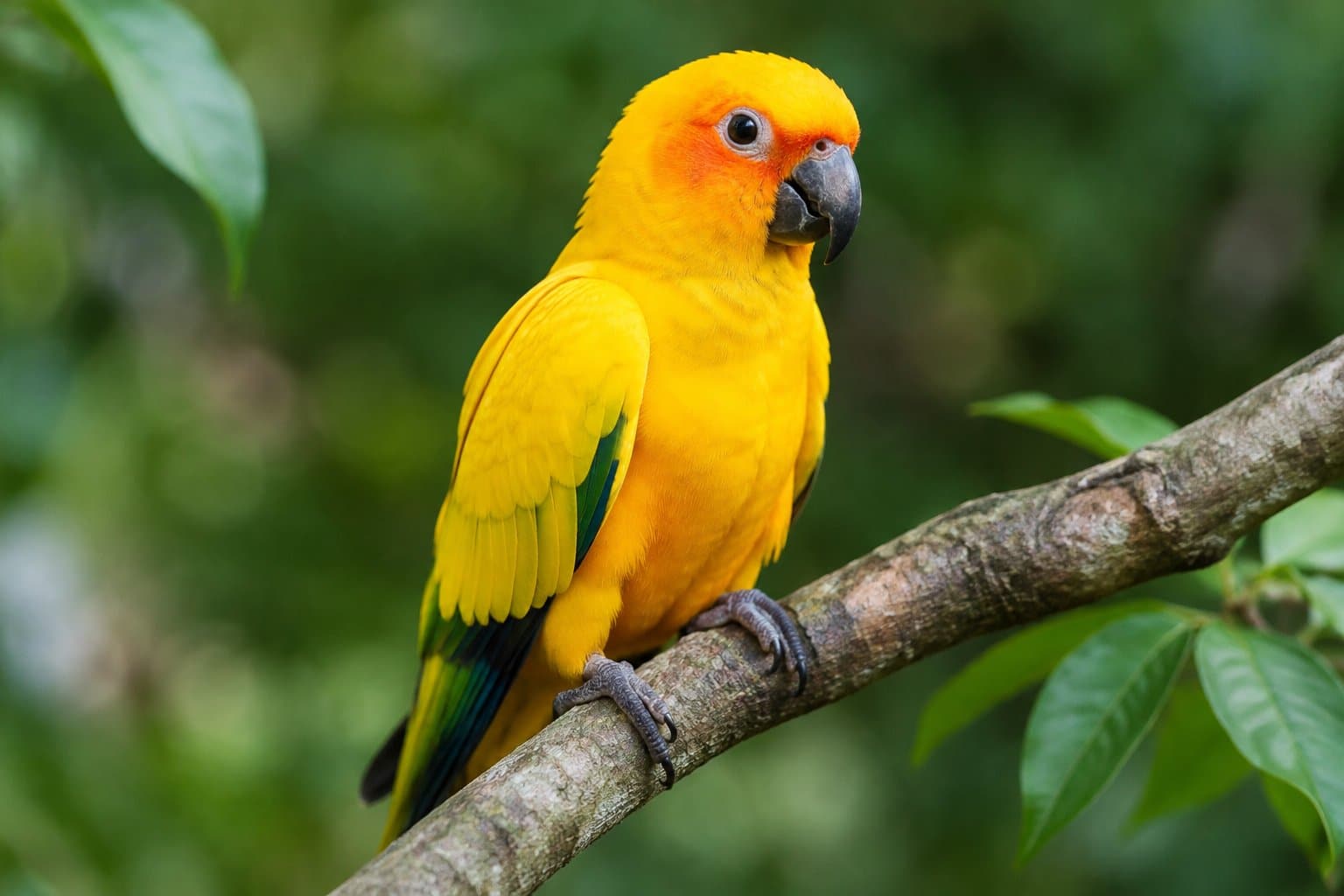
The Golden Conure, also called the Queen of Bavaria conure, is one of the most visually striking birds you can find among parrots. Its plumage is almost entirely bright yellow, with green feathers along the wings, making it instantly recognizable.
If you’re looking to buy one, you can expect to pay between $2,000 and $5,000 for a hand-raised, captive-bred bird. Some sellers price them even higher depending on age, temperament, and breeder reputation.
Part of what drives this price is the bird’s limited native range. Golden Conures come from a limited area of the Amazon rainforest in northern Brazil, and habitat loss and trapping have left the species listed as Vulnerable by the IUCN. It is also on CITES Appendix I, the strictest level of international trade protection.
Breeding them in captivity isn’t simple either. They need experienced breeders and the right setup to raise chicks successfully, so supply stays limited.
Beyond rarity, you’re also paying for temperament. These birds are known for being affectionate and social, which adds to their appeal as companion pets despite their relatively large size for a conure.
8. Hawk-Headed Parrot
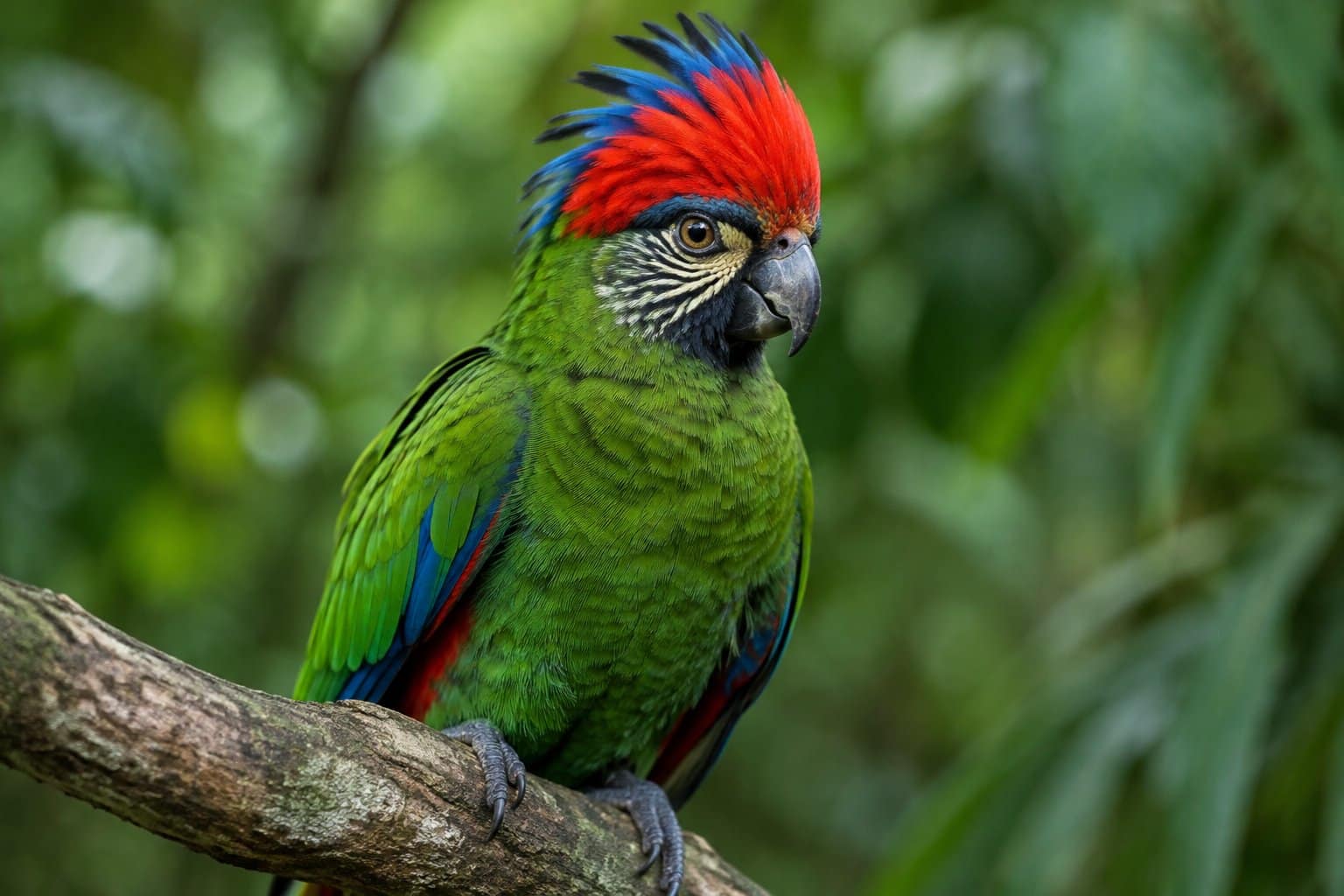
The hawk-headed parrot, also called the red-fan parrot, is one of the more distinctive birds you will find in the exotic pet trade. Its name comes from the feathers around its neck, which it can raise into a fan-like display when excited or alarmed, giving it a look unlike any other parrot species.
If you are looking to buy a hand-raised, captive-bred hawk-headed parrot, you can expect to pay between $2,000 and $4,000. This price reflects the bird’s relative rarity in captivity compared to more common pet parrots.
Breeding hawk-headed parrots is not straightforward. They are known to be more challenging to breed successfully than many other parrot species, which limits the number available each year and keeps prices elevated.
You should also know that this species has a reputation for a somewhat sensitive temperament. They can be selective about who they bond with, which adds to their appeal among experienced bird owners willing to pay a premium for a bird with real personality.
9. Moluccan Cockatoo
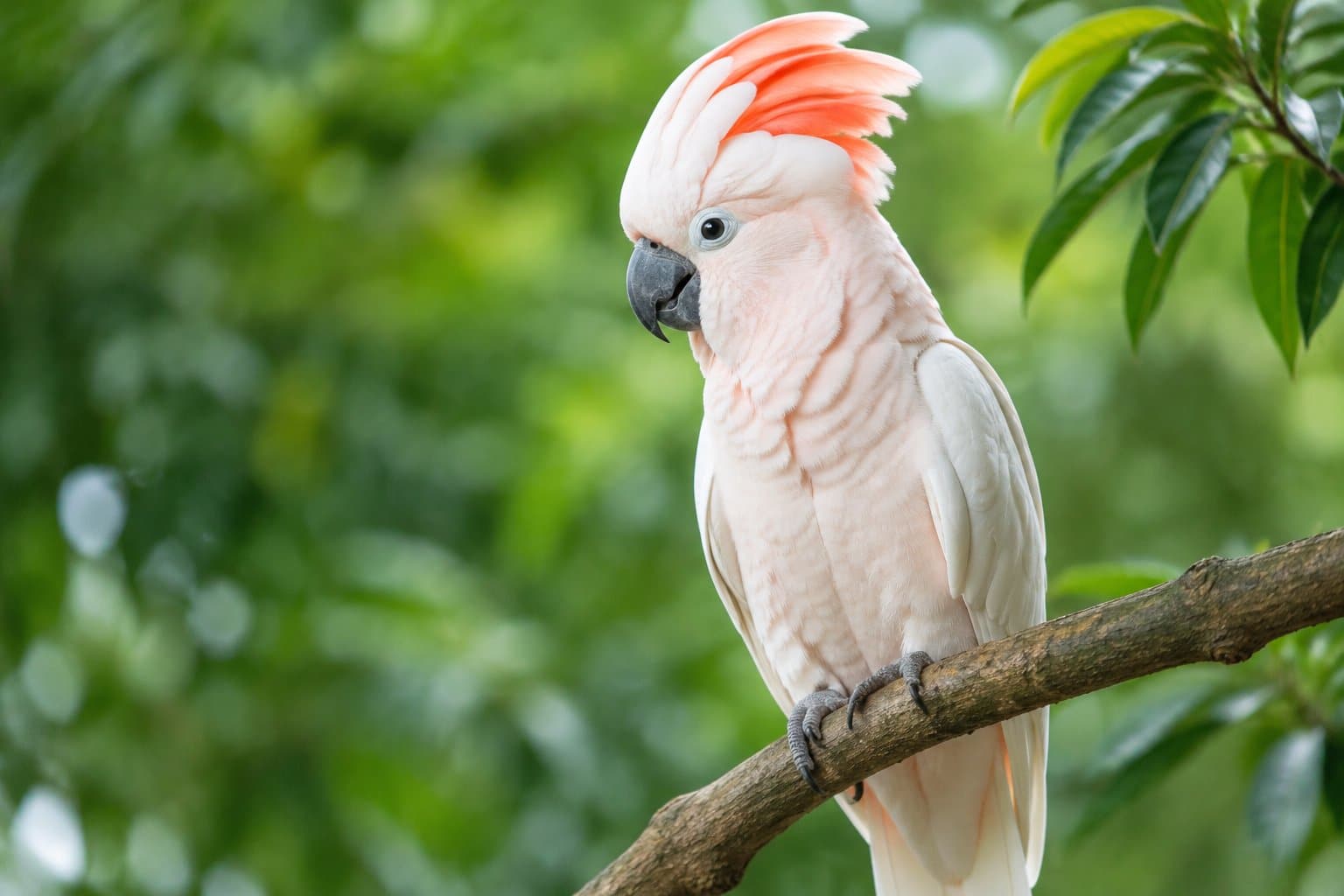
You will typically pay between $2,000 and $4,000 for a hand-raised Moluccan Cockatoo from a reputable breeder.
This species, native to the southern Moluccan (Maluku) Islands of Indonesia, stands out for its large size and striking salmon-pink plumage. When it raises its crest, you get one of the most visually dramatic displays among all cockatoo species, and that alone drives a lot of buyer interest.
Breeding difficulty plays a major role in the price. Moluccan Cockatoos don’t reproduce quickly, and hand-raising chicks requires significant time, expertise, and resources from breeders.
You also need to factor in demand from experienced bird owners who specifically want a large, affectionate, and highly intelligent companion. These birds bond closely with their owners, but that same intensity means you’ll need to commit to significant daily interaction.
Their long lifespan, often 40 years or more, adds long-term value but also raises the stakes for buyers considering ownership.
10. Congo African Grey
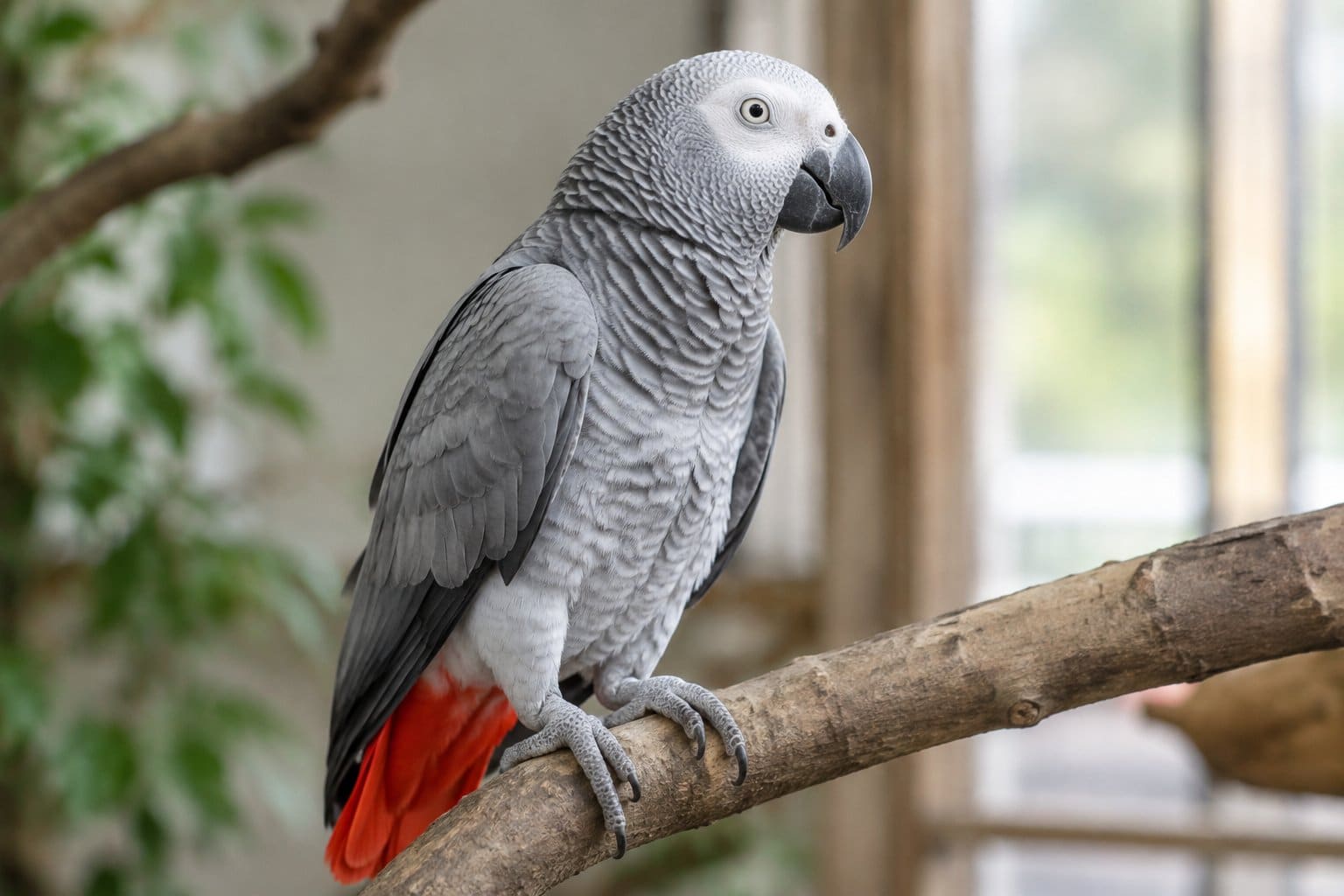
Expect to pay between $1,500 and $4,000 for a hand-raised Congo African Grey, with most buyers landing in the $2,000 to $3,000 range depending on breeder reputation and location.
You’re paying for intelligence first. These birds are widely regarded as the most cognitively advanced parrots kept as pets, capable of learning large vocabularies and demonstrating problem-solving skills that few other species match.
Breeding difficulty also factors into the price. Congo African Greys mature slowly, don’t reproduce in large numbers, and chicks require a long weaning period of around three to four months, which adds labor costs for breeders.
International trade restrictions play a role too. Since the species was moved to CITES Appendix I in 2016, international commercial trade in wild-caught birds is banned, pushing the entire market toward domestically bred stock and keeping supply tight.
Demand stays consistently high because of the bird’s reputation as a talker and companion.
11. Eclectus Parrot
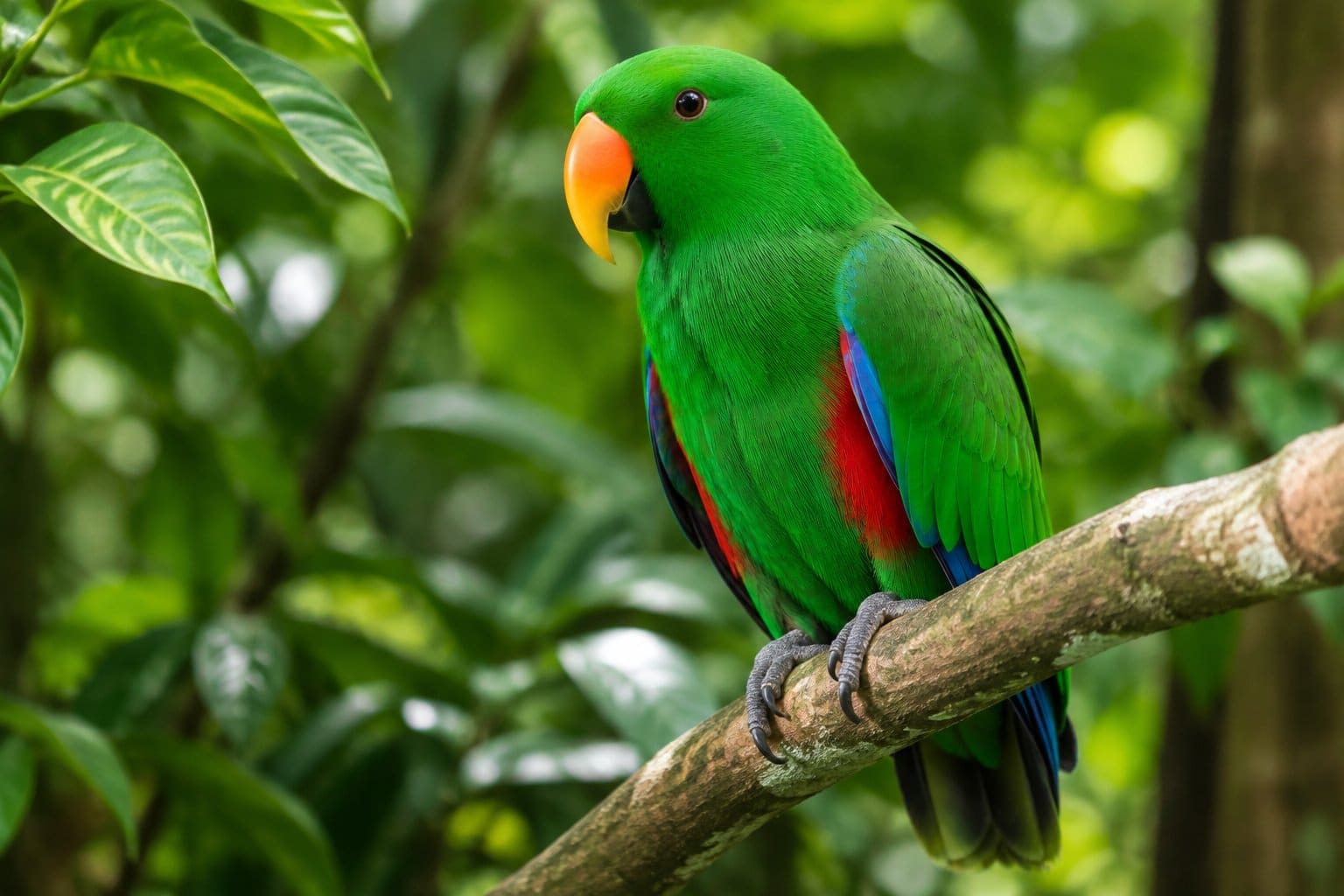
You will typically find Eclectus Parrots priced between $1,000 and $3,000, and some breeders charge more for females. This price gap exists because of their unusual sexual dimorphism. Males are bright green, while females display deep red and purple feathers, making the females more visually striking to many buyers.
Their cost reflects more than just appearance. Eclectus Parrots are known for needing a diet rich in fresh fruits and vegetables, which adds work for breeders. You’ll also notice that breeding pairs can be difficult to match successfully, since females are known to be selective and sometimes aggressive toward mates.
Demand remains steady because of their reputation for calm temperaments and strong talking ability. You’re paying for a bird that combines intelligence, striking looks, and a manageable personality compared to some larger, more volatile species.
Size plays a role too. At around 14 to 17 inches long, they require sturdy, spacious enclosures, which adds to the overall investment you should expect when bringing one into your home.
12. Blue-and-Gold Macaw
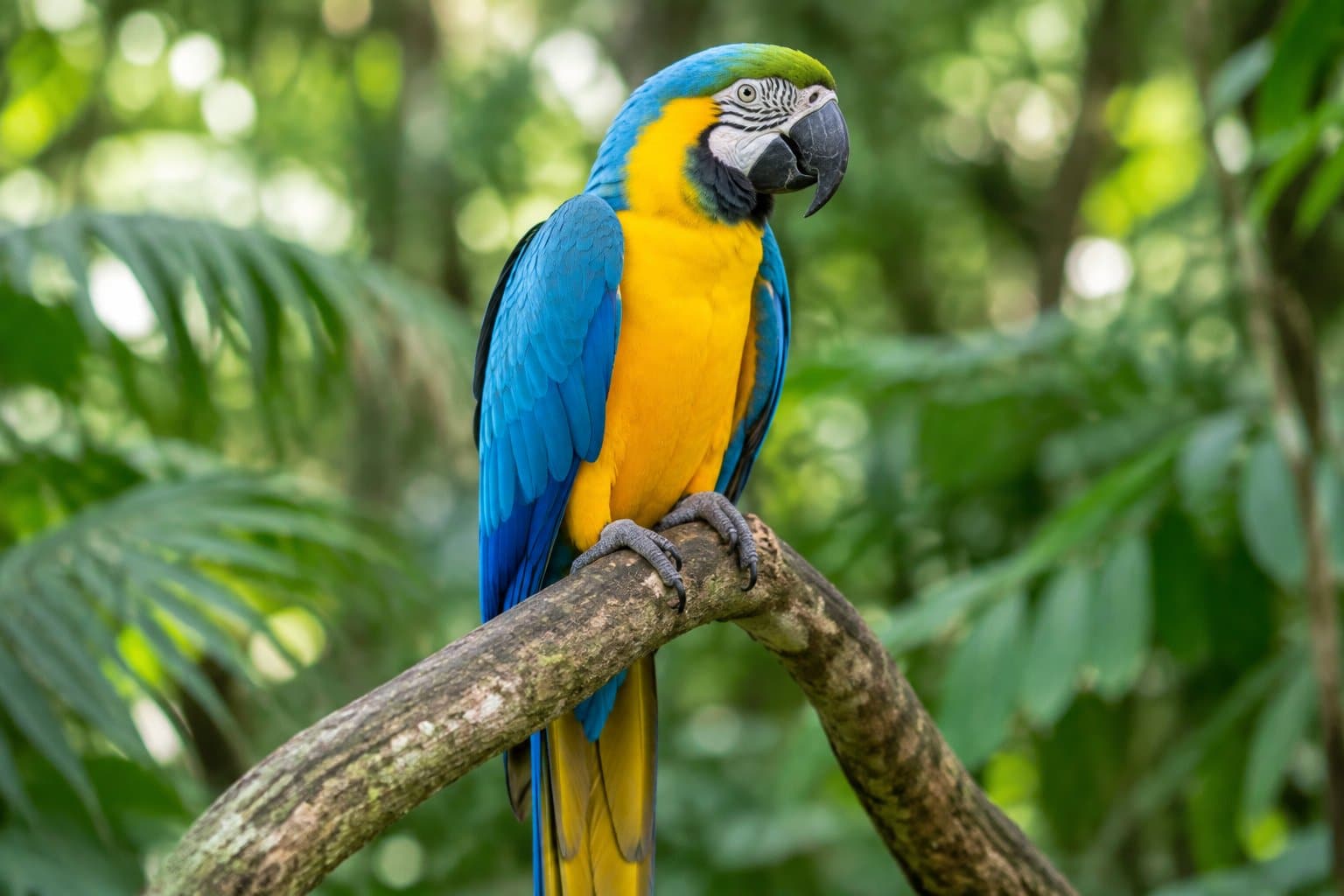
The Blue-and-Gold Macaw sits lower on the price scale than many other large macaws, but it still represents a significant investment. You can expect to pay between $1,500 and $4,000 for a hand-raised, captive-bred bird, with breeder-direct prices sometimes climbing higher depending on lineage and location.
This species is one of the most commonly bred macaws in captivity, which keeps prices more accessible compared to rarer cousins like the Hyacinth. Breeders have had decades of success working with this bird, so supply is steadier and demand is easier to meet.
You’re still paying for size and care requirements, though. These macaws reach nearly three feet in length and need large cages, substantial daily interaction, and a long-term commitment, since they can live 50 years or more.
Their striking blue and gold plumage, combined with a reputation for being sociable and trainable, keeps them popular among first-time large parrot owners. That popularity sustains steady pricing even without the extreme rarity seen in other macaw species.
13. Military Macaw
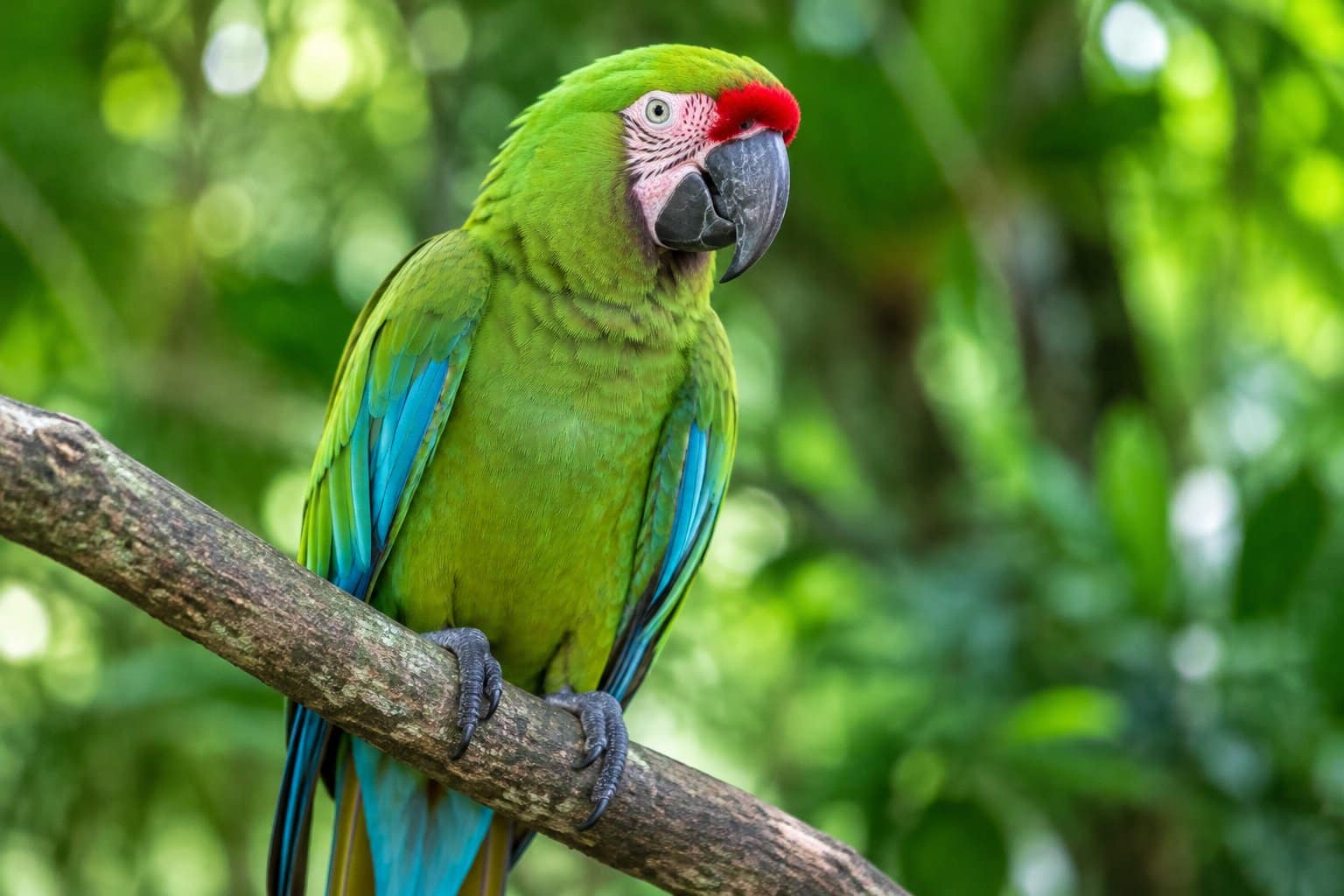
The Military Macaw typically sells for between $1,500 and $3,500, depending on where you buy and how the bird was raised. You’ll find this price sits lower than many other large macaw species, making it a more accessible entry point if you want a sizable parrot without the premium cost of rarer varieties.
Its coloring sets it apart from flashier cousins like the Scarlet or Hyacinth Macaw. You get mostly green plumage with red accents on the forehead and blue-tipped wings and tail, and the green is said to recall a military dress uniform, which is where the name comes from.
Breeding programs for this species are fairly established, so supply tends to meet demand without major shortages. That said, you’re still paying for a bird that requires years of patient hand-raising to become properly socialized and tame.
Size plays into the cost too. At about 28 inches (70 centimeters) long, you need to budget for a large cage and plenty of space, which influences how breeders price the bird relative to smaller parrot species.
14. Rose-Breasted Cockatoo (Galah)
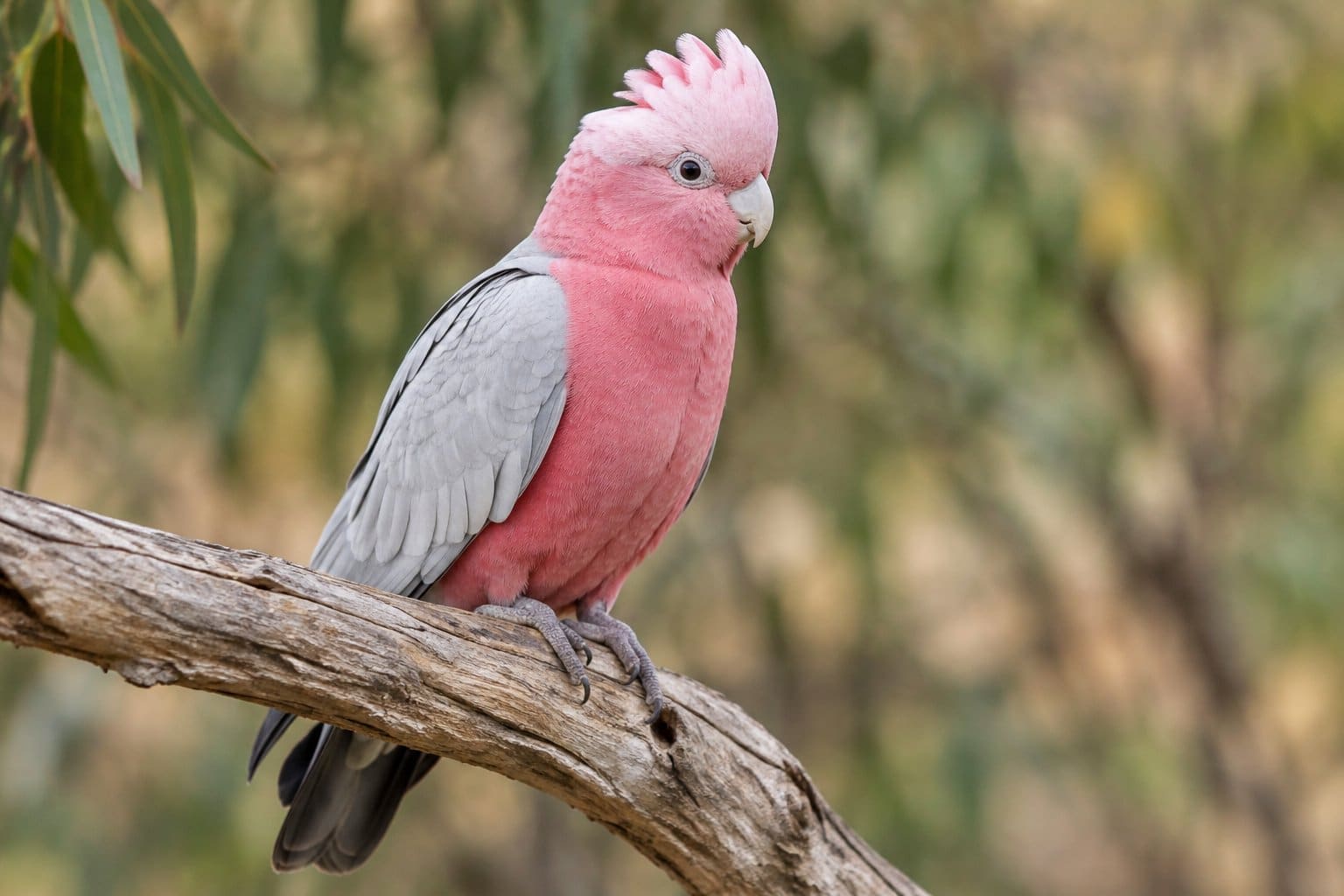
You can expect to pay between $1,000 and $5,000 for a hand-raised Rose-Breasted Cockatoo, also called the Galah. The wide range depends on the breeder, your location, and how well-socialized the bird is.
This bird’s price reflects its appearance more than its rarity. Its pink face and breast, paired with grey wings and a soft crest, make it one of the more visually striking cockatoos you can own.
Galahs aren’t as commonly bred in the United States as some other cockatoo species, which pushes the price upward in certain regions. When you do find one, you’re often paying for a bird that was carefully hand-fed and socialized from a young age, since that process takes time and skilled labor.
You should also know this species demands significant attention once you bring it home. They’re intelligent and vocal, and they bond closely with their owners.
If you’re not prepared for a noisy, social bird, your investment may not pay off the way you’d hope.
15. Yellow-Naped Amazon
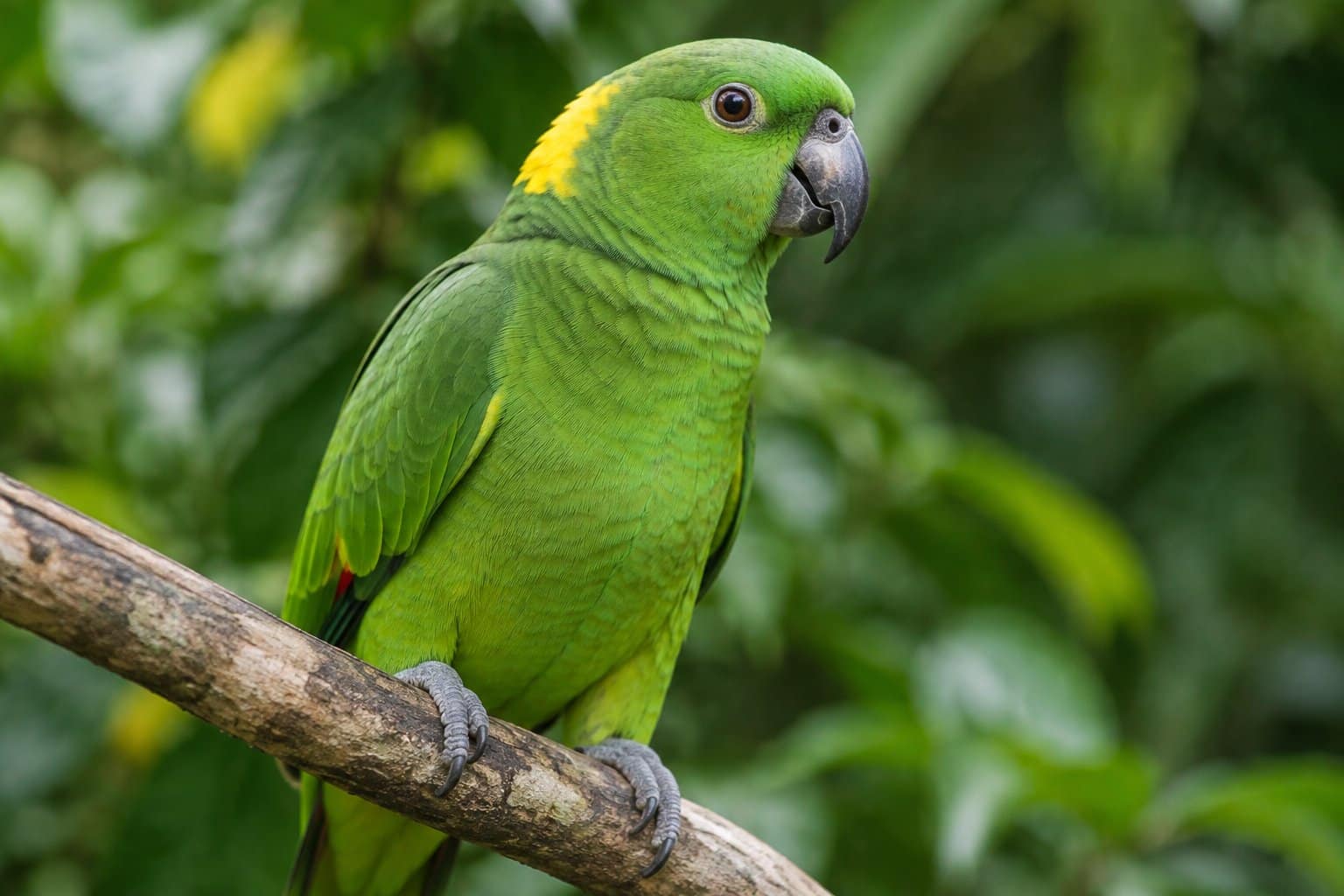
If you’re shopping for a yellow-naped Amazon, expect to pay somewhere between $1,500 and $3,000 for a hand-raised, captive-bred bird. Prices at the higher end usually involve younger birds with extensive hand-feeding and socialization.
Part of what you’re paying for is reputation. This Amazon species is known for exceptional talking ability, often cited as one of the clearest and most articulate talkers among parrots. That skill alone drives demand among buyers who want an interactive, vocal companion.
You should also factor in conservation status when considering the price. The IUCN has listed the species as Critically Endangered since 2021, with wild populations hit hard by habitat loss and historical capture for the pet trade. Because of this, legal captive-bred specimens are harder to source than they once were, and breeders face more regulatory oversight.
Size and temperament add to the appeal. You get a sturdy, medium-to-large bird that’s social, affectionate, and long-lived with proper care. That combination of intelligence, longevity, and personality keeps demand steady despite the limited supply you’ll encounter when searching for one.
16. Umbrella Cockatoo
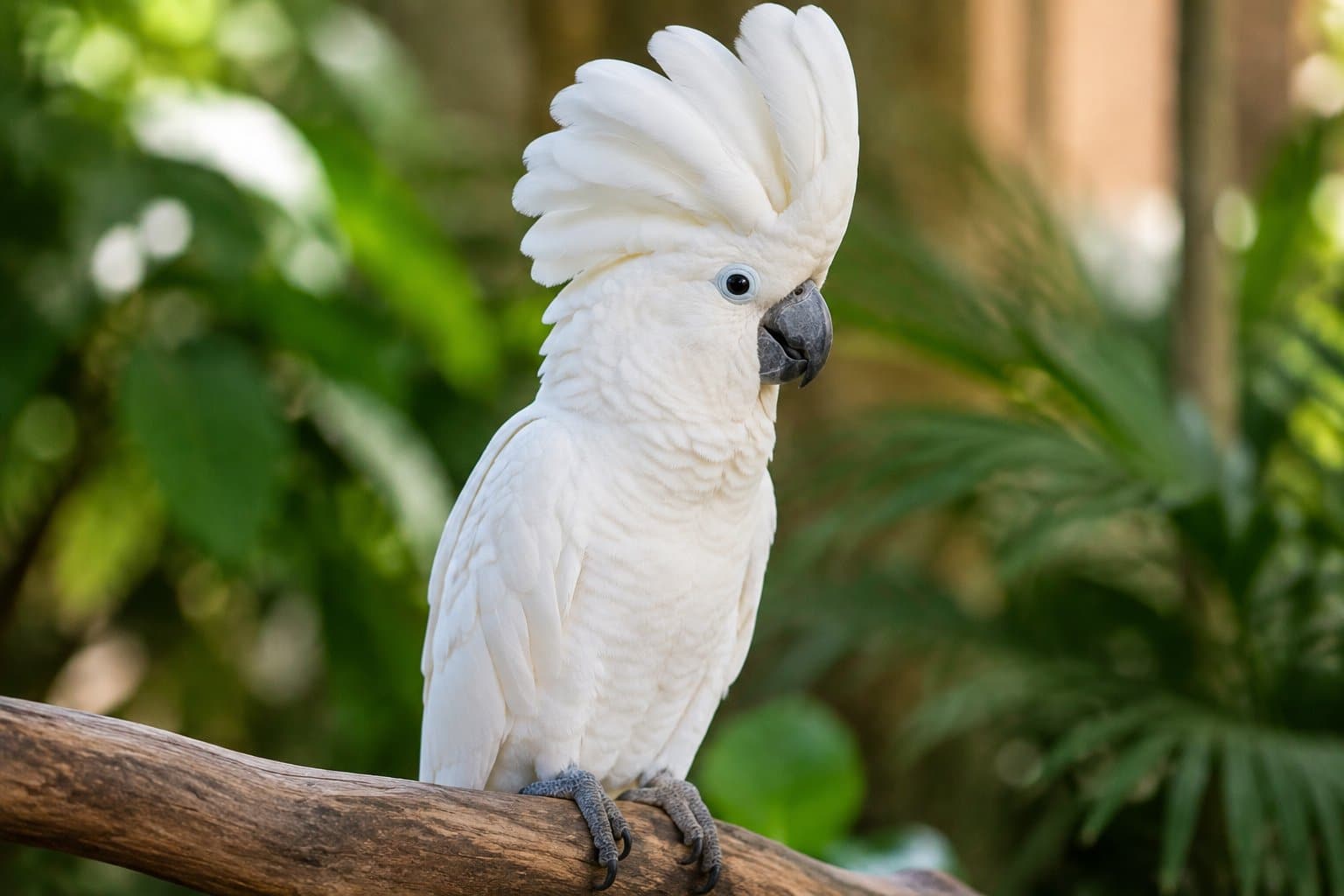
If you’re looking at an Umbrella Cockatoo, you’ll typically pay between $1,500 and $3,000 for a hand-raised bird from a reputable breeder. This makes it one of the more accessible large cockatoo species, though still a significant investment compared to smaller parrot species.
You’ll recognize this bird by its striking all-white plumage and the large, rounded crest that gives it its name. When raised, that crest fans out dramatically, creating an eye-catching display that appeals to many bird owners.
The price reflects a few factors you should understand before buying. Breeding cockatoos takes time and specialized knowledge, since these birds mature slowly and require experienced handling as chicks.
You’re also paying for the bird’s size and lifespan. Umbrella Cockatoos can live 40 to 60 years in captivity, and their substantial size means breeders invest more in space and care.
Demand stays steady because of their reputation for being affectionate and social, though you should know they require significant daily attention and mental stimulation to thrive.
17. Double Yellow-Headed Amazon
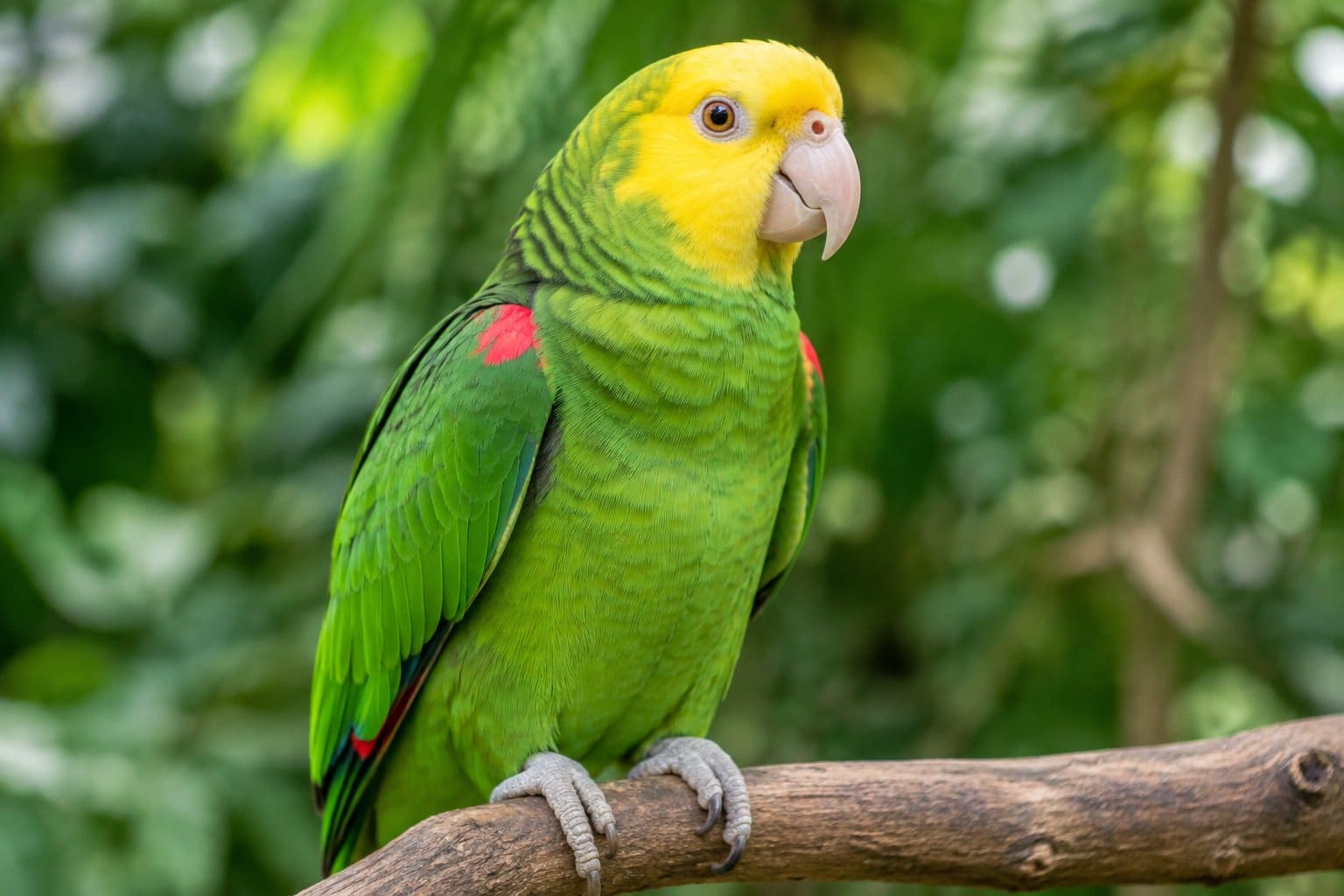
If you want a Double Yellow-Headed Amazon, you can expect to pay somewhere between $1,500 and $3,000 for a hand-raised, captive-bred bird. Prices vary depending on age, breeder reputation, and how well-socialized the bird is.
This parrot, native to Mexico and parts of Central America, is known for its striking green body and bright yellow head and neck. Its wild populations have declined sharply due to habitat loss and illegal trapping, which has made legally bred specimens more valuable.
You’re paying for more than just looks, though. This species is prized for its exceptional talking ability, often considered among the best in the parrot world. Its intelligence and strong personality also make it a popular choice for experienced owners who want an interactive pet.
Breeding these birds takes time and skill, since they mature slowly and require careful pairing. That difficulty, combined with steady demand from collectors and bird enthusiasts, keeps prices consistently high across the US market.
18. Timneh African Grey
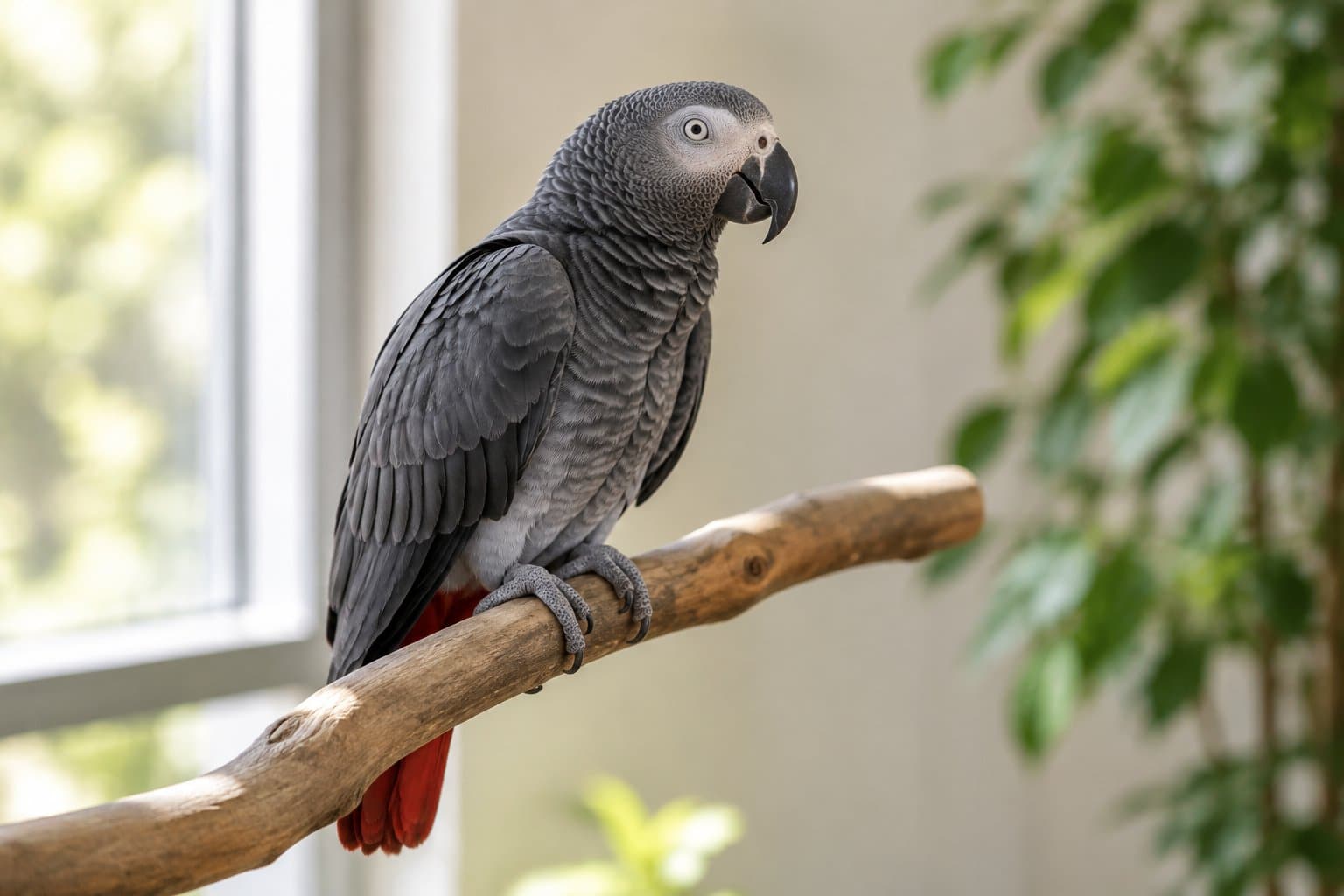
A Timneh African Grey will typically cost you between $1,000 and $2,500, depending on the breeder, age, and whether the bird is already weaned and socialized.
You may notice this species is often treated as a smaller, slightly more affordable alternative to its cousin, the Congo African Grey. It’s still a true African Grey, native to West Africa, and it carries the same reputation for intelligence and talking ability.
Part of the price comes from the breeding process itself. Clutches are small, and chicks require a long weaning period, often stretching past three months, which limits how many birds a breeder can produce in a year.
Like the Congo, the Timneh is listed under CITES Appendix I, so commercial trade in wild-caught birds is banned and the pet market depends on captive-bred birds.
Demand stays high because owners want a Grey’s cognitive abilities without the larger size or higher price tag of a Congo. That balance keeps the Timneh firmly in the mid-to-upper price range among companion parrots.
19. Caique
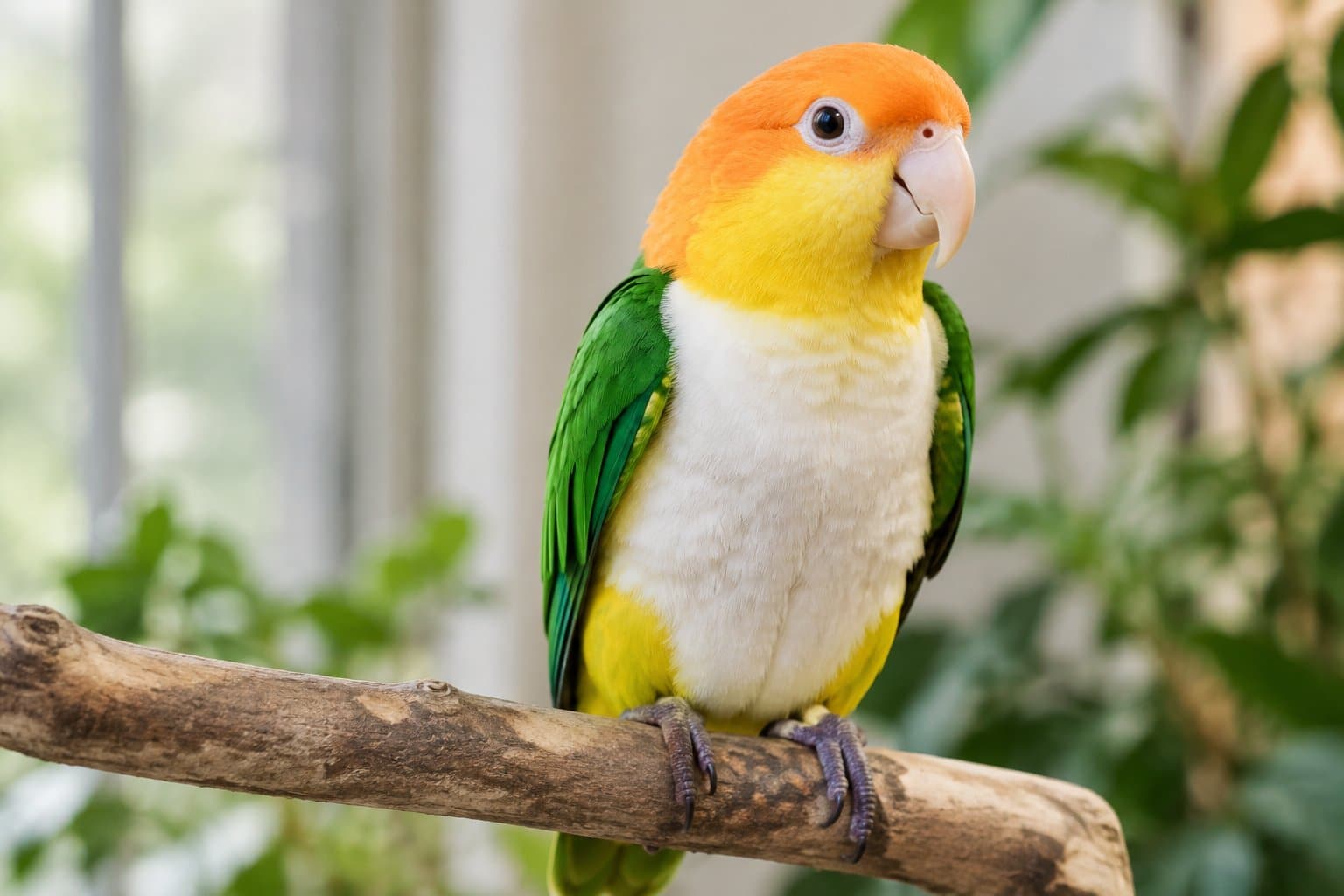
Caiques are small, stocky parrots known for their bold colors and endless energy. You will typically find two main species in the pet trade: the black-headed caique and the white-bellied caique. Both are prized for their playful, almost clownish personalities.
A hand-raised, captive-bred caique usually costs between $1,200 and $2,500 in the US. Prices depend on the specific subspecies, the breeder’s reputation, and how well the bird has been socialized.
Caiques aren’t as expensive as larger macaws or cockatoos, but their price still reflects real breeding challenges. They can be selective about mates, and clutch sizes tend to be small, which limits how many chicks reach the market each year.
Their popularity adds to the cost too. Caiques have built a strong following among bird owners who want a compact parrot with a big personality, and that demand keeps prices steady even though the species isn’t considered rare in the wild.
20. Severe Macaw
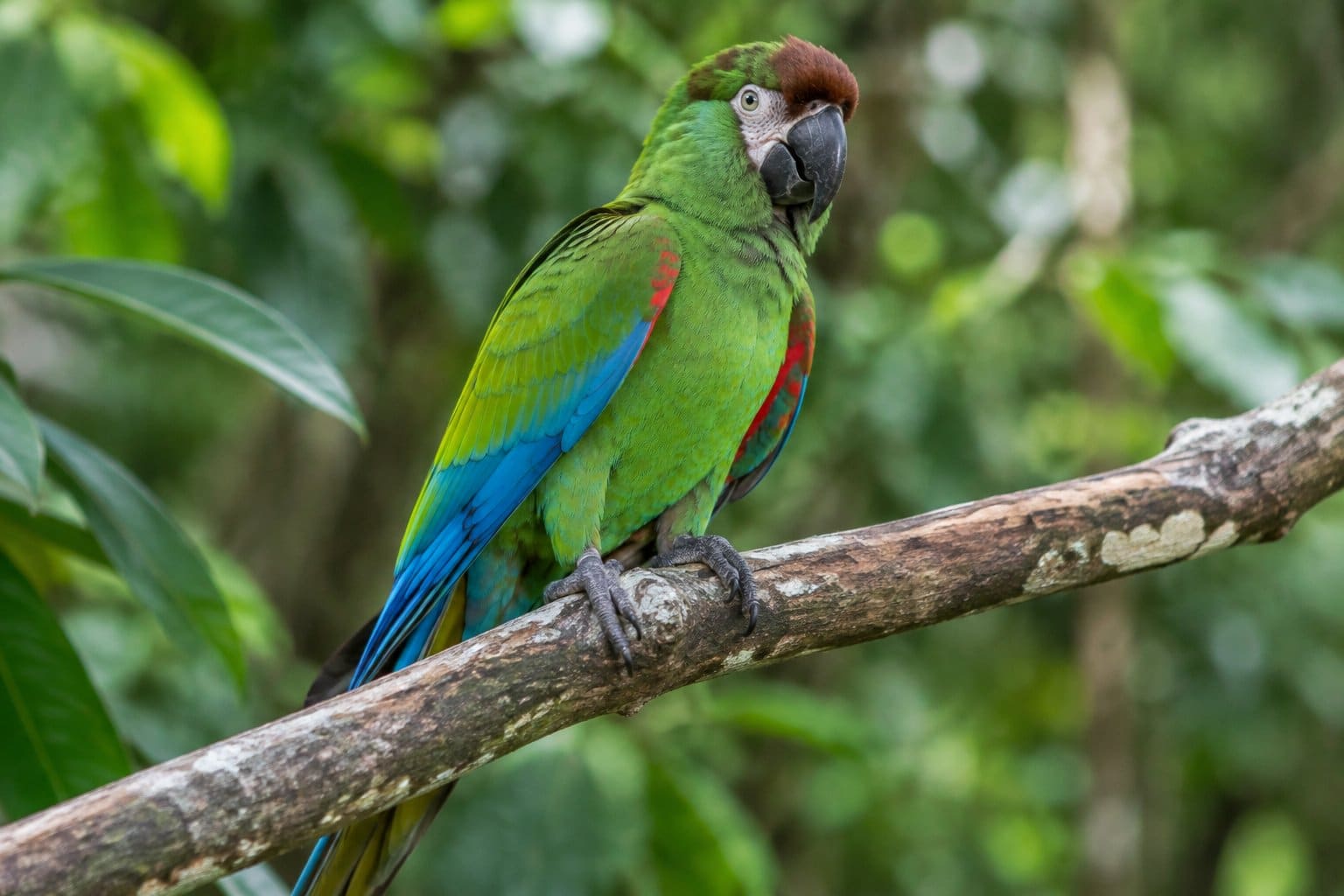
The Severe Macaw closes out this list, typically priced between $1,200 and $2,500. You’ll find this bird listed at lower prices than most other macaws covered here, which reflects its relative availability in the pet trade compared to rarer species.
Despite the modest price tag, this is a genuine macaw with the personality and intelligence associated with the family. Native to parts of South America and Panama, it’s smaller than macaws like the Hyacinth or Scarlet, measuring around 18 inches long. That smaller size makes it more manageable for owners who want macaw behavior without the space demands of larger species.
Breeding programs for this species are well established, which keeps supply steady and prices lower than you’d see with harder-to-breed cousins. You’re still paying for a bird capable of learning vocabulary and forming strong bonds with handlers.
If you’re looking for an entry point into macaw ownership, this species gives you many of the traits people seek in larger, pricier parrots at a fraction of the cost.


