
The 30 Worst Bird Foods
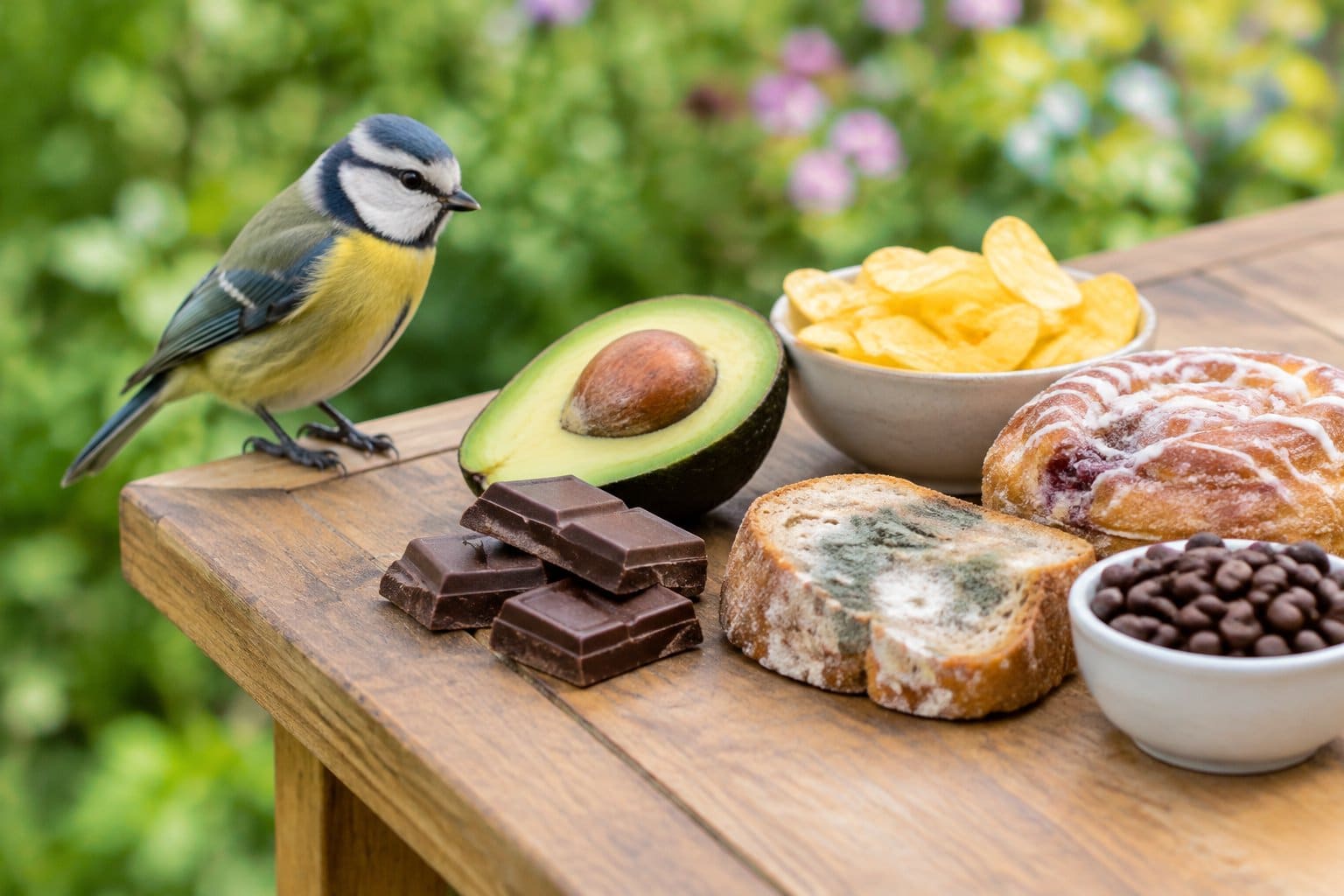
Many foods that people eat every day can harm birds, whether you keep a pet parrot or fill a backyard feeder. Birds are small, so an amount of food that seems trivial to you can be a big dose for them.
Some foods on this list are truly toxic, like chocolate, avocado and caffeine. Others are not poisonous but still do harm, like salty snacks, bread and cooking fat, which fill birds up without the nutrition they need or damage their feathers.
Here are 30 foods to keep away from birds, which birds each one matters for most, and what to offer instead.
1. Chocolate
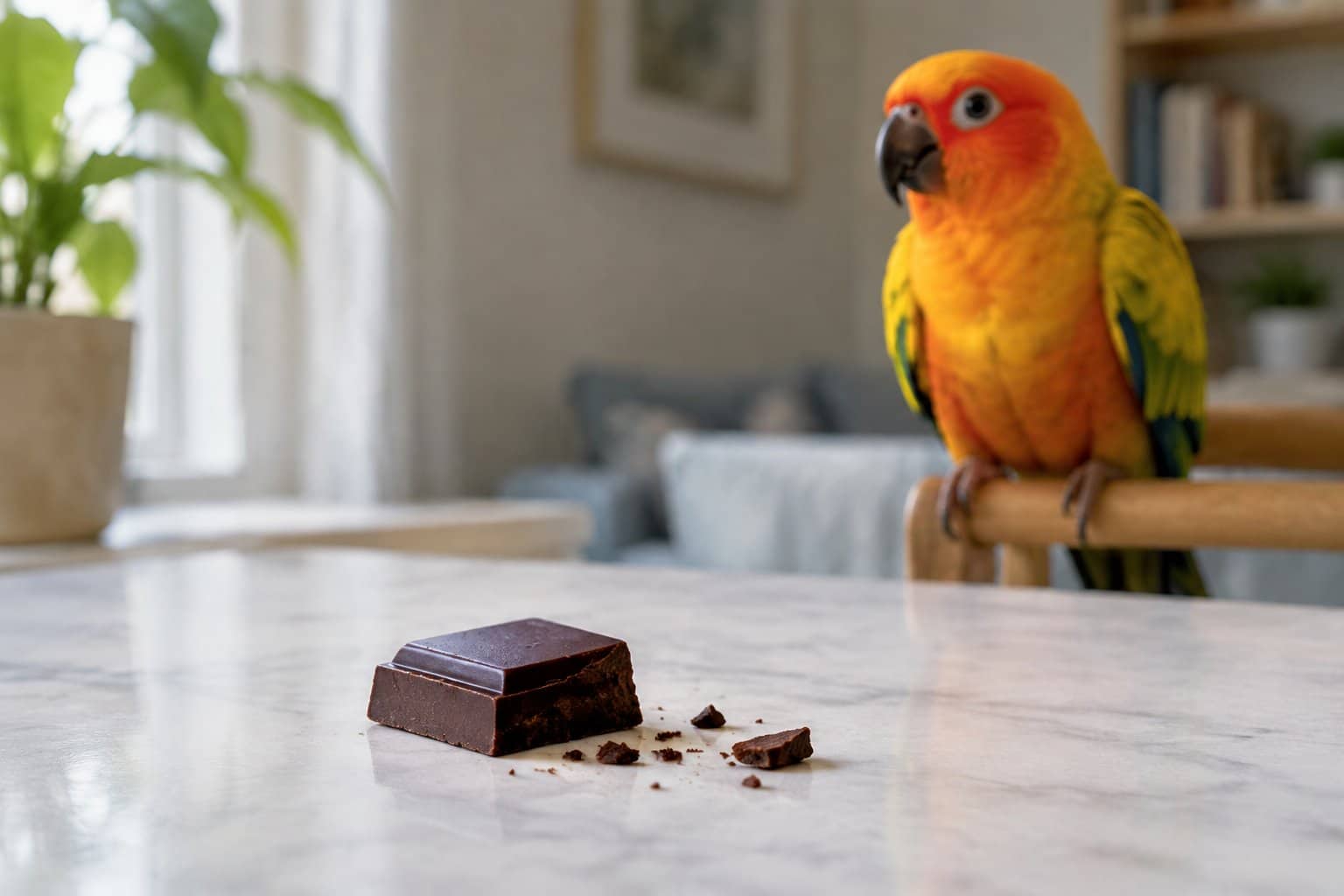
Chocolate is one of the best known toxic foods for birds. It contains theobromine and caffeine, two stimulants that can cause hyperactivity, a fast heart rate, tremors, seizures and even death in pets that eat a toxic dose.
The darker and more bitter the chocolate, the more dangerous it is. Baking chocolate and cocoa powder are the worst, but milk chocolate, brownies and chocolate cookies are not safe either.
Pet parrots, budgies and cockatiels are most at risk because they love to steal food from plates and counters. Never leave sweets or chocolate scraps outside for ducks or feeder birds.
If your bird eats chocolate, call an avian vet right away. For a safe treat, offer a small piece of fresh fruit or a few unsalted seeds instead.
2. Avocado
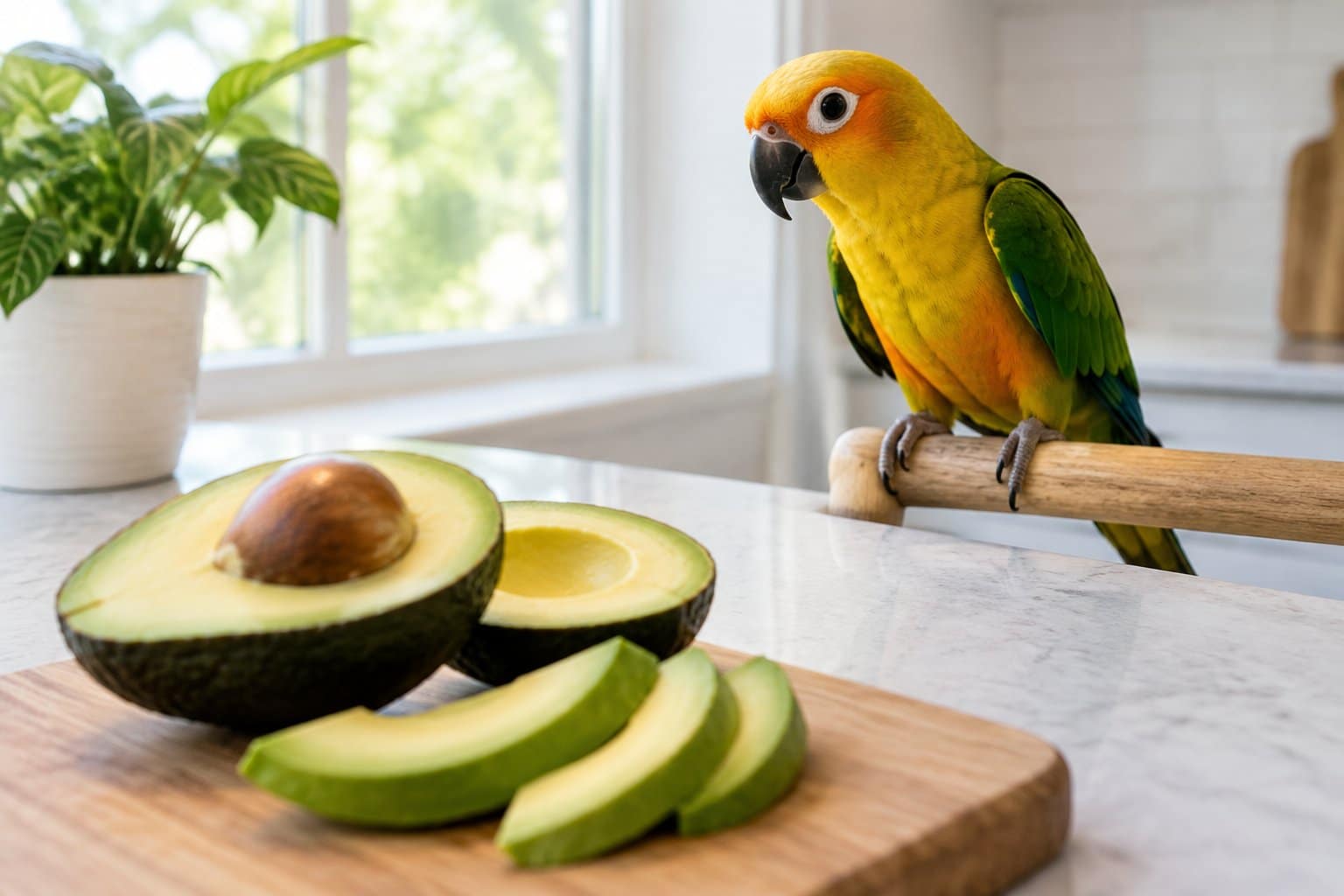
Avocado is on nearly every avian vet’s do-not-feed list. All parts of the avocado plant, including the fruit, skin, pit and leaves, contain persin, a toxin that has been reported to damage birds’ hearts.
Small birds such as canaries and budgies are considered the most sensitive, but signs have been seen in other species too. According to avian vet Christal Pollock, writing for Lafeber, breathing trouble usually shows up about 12 hours after a bird eats avocado, and death can follow within one to two days.
Some birds have eaten avocado without obvious harm, but nobody knows which varieties or amounts are safe, so the only safe rule is none at all. Guacamole is even worse, since it usually contains onion and garlic too.
Offer berries, seedless apple or chopped leafy greens instead.
3. Coffee and Tea
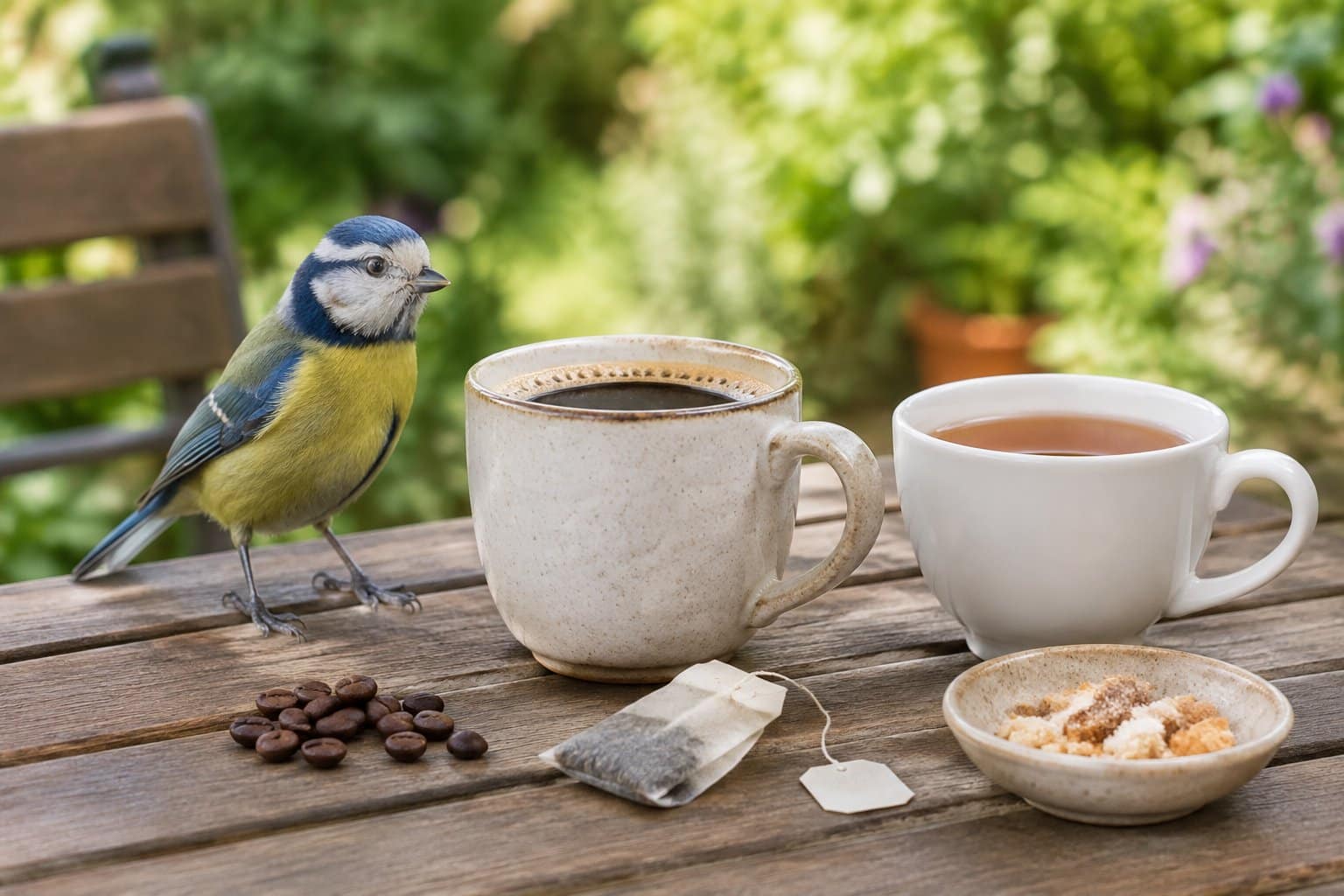
Coffee and tea contain caffeine, the same family of stimulants found in chocolate. In birds, caffeine can cause restlessness, a racing heart, abnormal heart rhythms and tremors, and serious cases can be fatal.
A sip from your mug may seem harmless, but a budgie weighs only about an ounce. Coffee grounds, used tea bags and loose tea leaves carry the same risk, so keep them out of reach and out of the compost pile near your feeders.
This matters most for pet birds that sit on your shoulder at breakfast or roam the kitchen table. Keep cups covered or out of reach whenever your bird is out of its cage.
Fresh, clean water is the only drink a bird needs. For variety, offer bird-safe fruits and vegetables instead.
4. Caffeinated Sodas and Energy Drinks
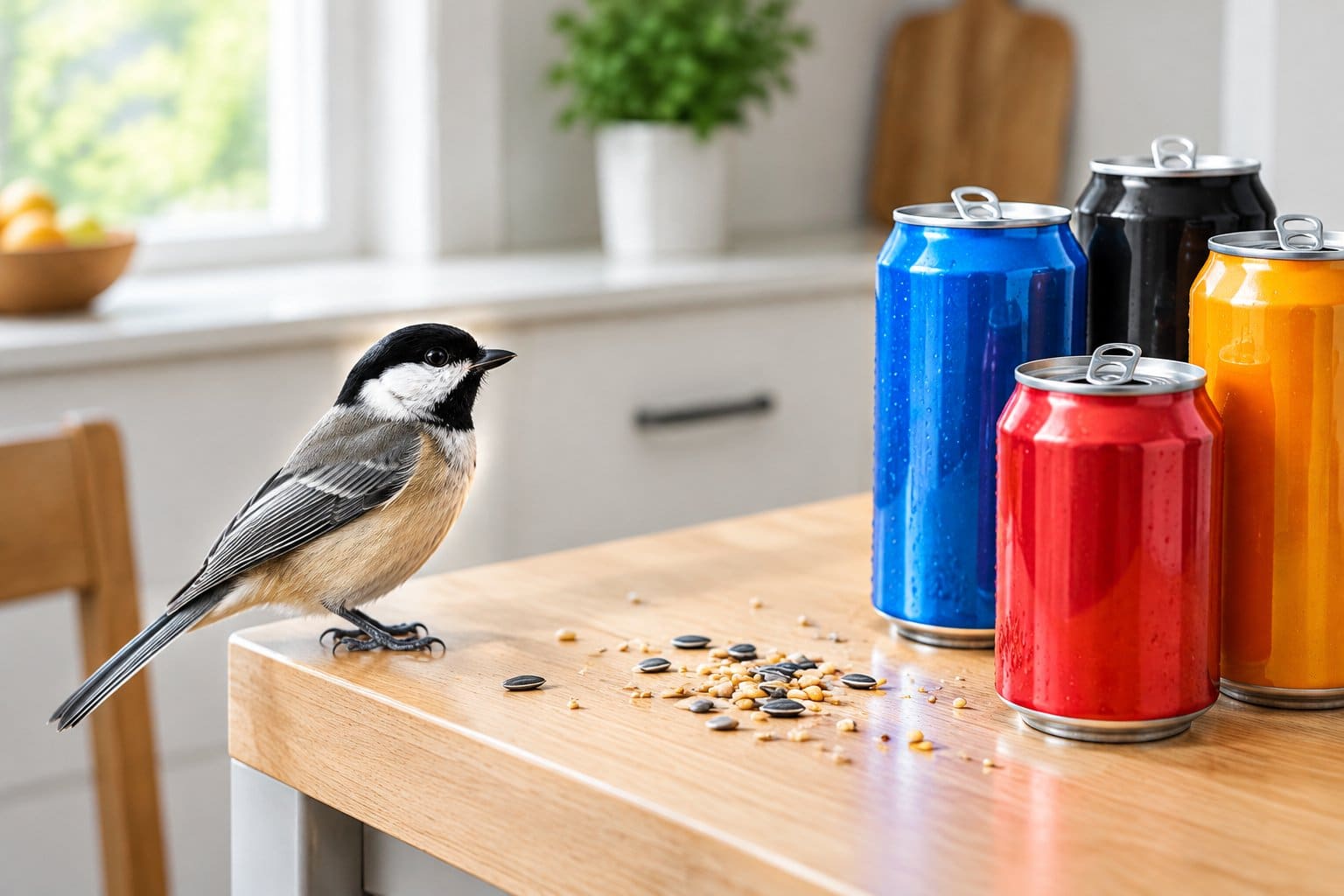
Cola, energy drinks and other caffeinated sodas combine two problems: caffeine, which is toxic to birds, and a large amount of sugar, which they don’t need. Energy drinks can contain much more caffeine per serving than soda.
Pet birds often dip their beaks into open cans and glasses left on a desk or table. Because birds are so small, even a few sips can be a large dose for their body weight. Signs of caffeine poisoning include restlessness, a fast heartbeat, tremors and collapse.
Wild birds sometimes pick at discarded cups and cans, and hummingbirds may be drawn to sweet drinks, but sodas are no substitute for proper nectar.
Never leave open cans where a bird can reach them. If your bird drinks caffeine, call an avian vet or a pet poison line right away.
5. Alcohol
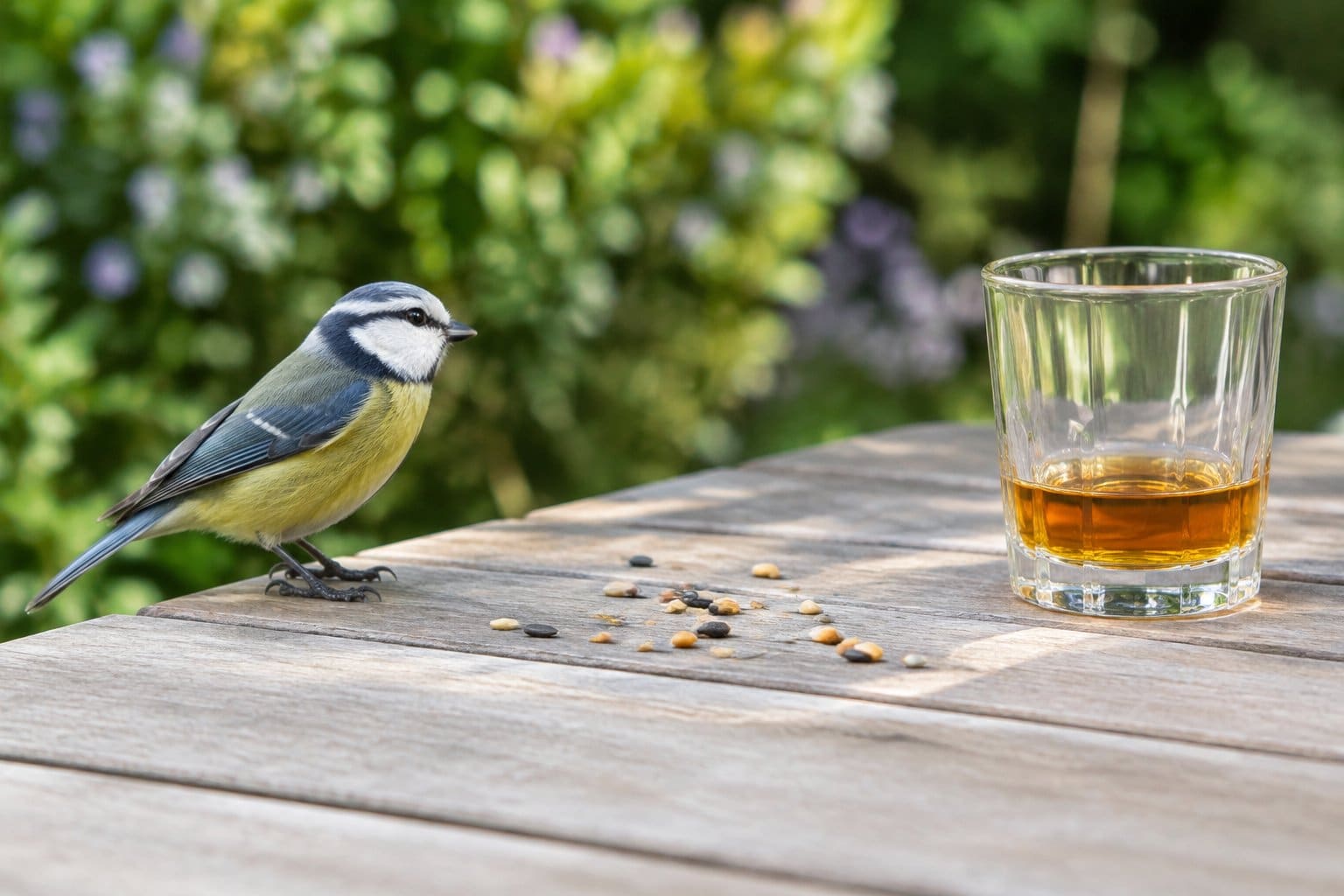
Alcohol is unsafe for every kind of bird. Birds are tiny compared to people, so even a small sip of beer, wine or a cocktail can affect them. Signs include wobbling, poor coordination, weakness and trouble breathing, and severe cases can end in collapse and death.
Pet parrots, budgies and cockatiels are the most likely to try a drink left on a table. Keep glasses covered or out of reach at parties, and be careful with desserts or sauces made with alcohol.
Overripe and fermenting fruit can also contain alcohol. If you put fruit out for backyard birds, remove it before it starts to rot.
If you think your bird has had alcohol, contact an avian vet right away. Fresh water is all a bird needs to drink.
6. Onions
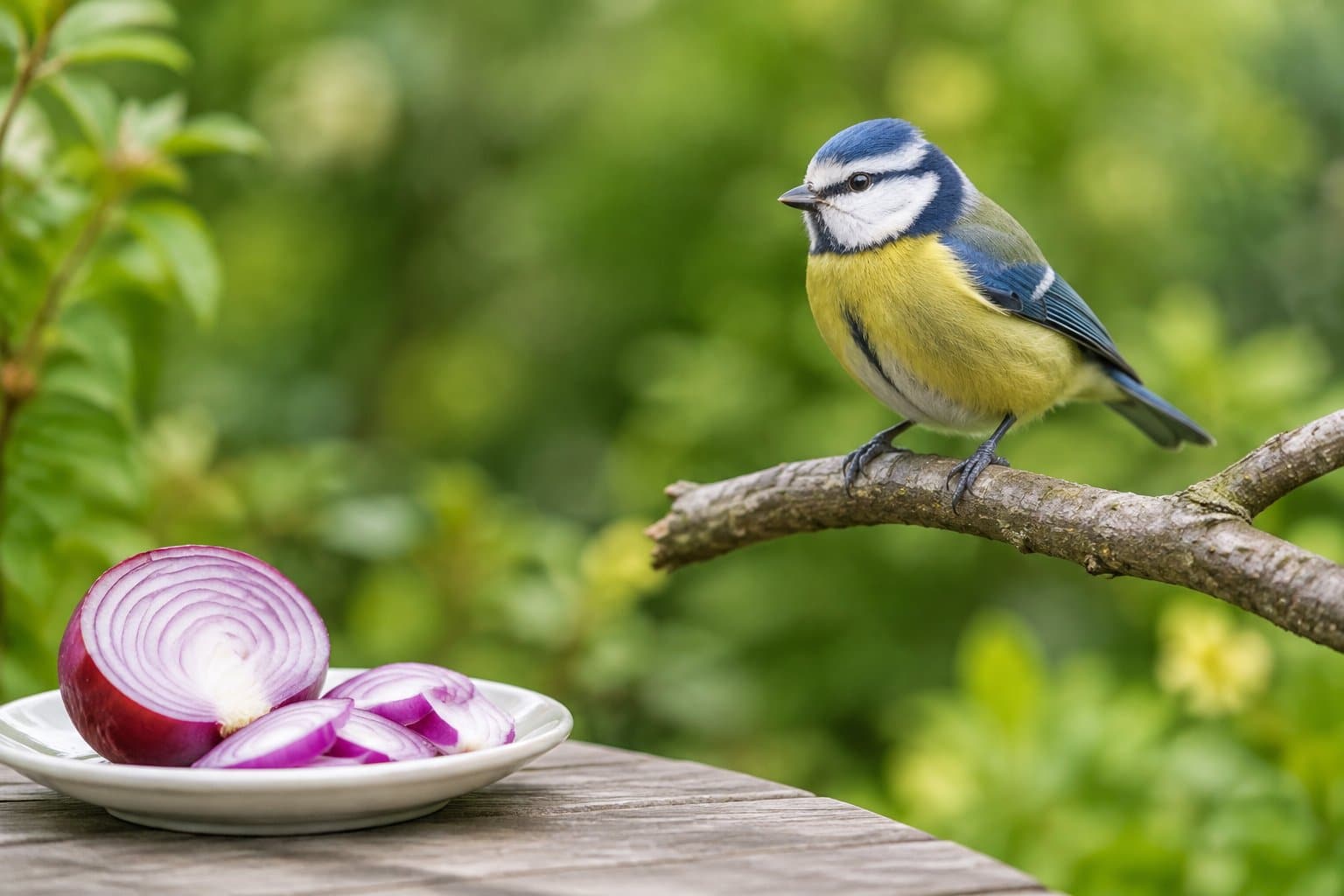
Onions contain sulfur compounds that can damage red blood cells and cause a type of anemia. Raw, cooked, dried and powdered onion all carry this risk, and concentrated forms like onion powder and onion soup mix are the most potent.
Waterfowl are affected too: fatal poisoning has been described in geese that were fed large amounts of green onions. Pet birds that share their owners’ meals are the most likely to eat onion, often hidden in sauces, soups and seasoned leftovers.
Signs of trouble can include weakness, tiredness and a loss of appetite. Call your avian vet if your bird eats onion, even if it seems fine at first.
Instead, offer plain chopped vegetables such as carrots, bell peppers and leafy greens, with no seasoning. For backyard birds and ducks, skip seasoned kitchen scraps altogether.
7. Garlic
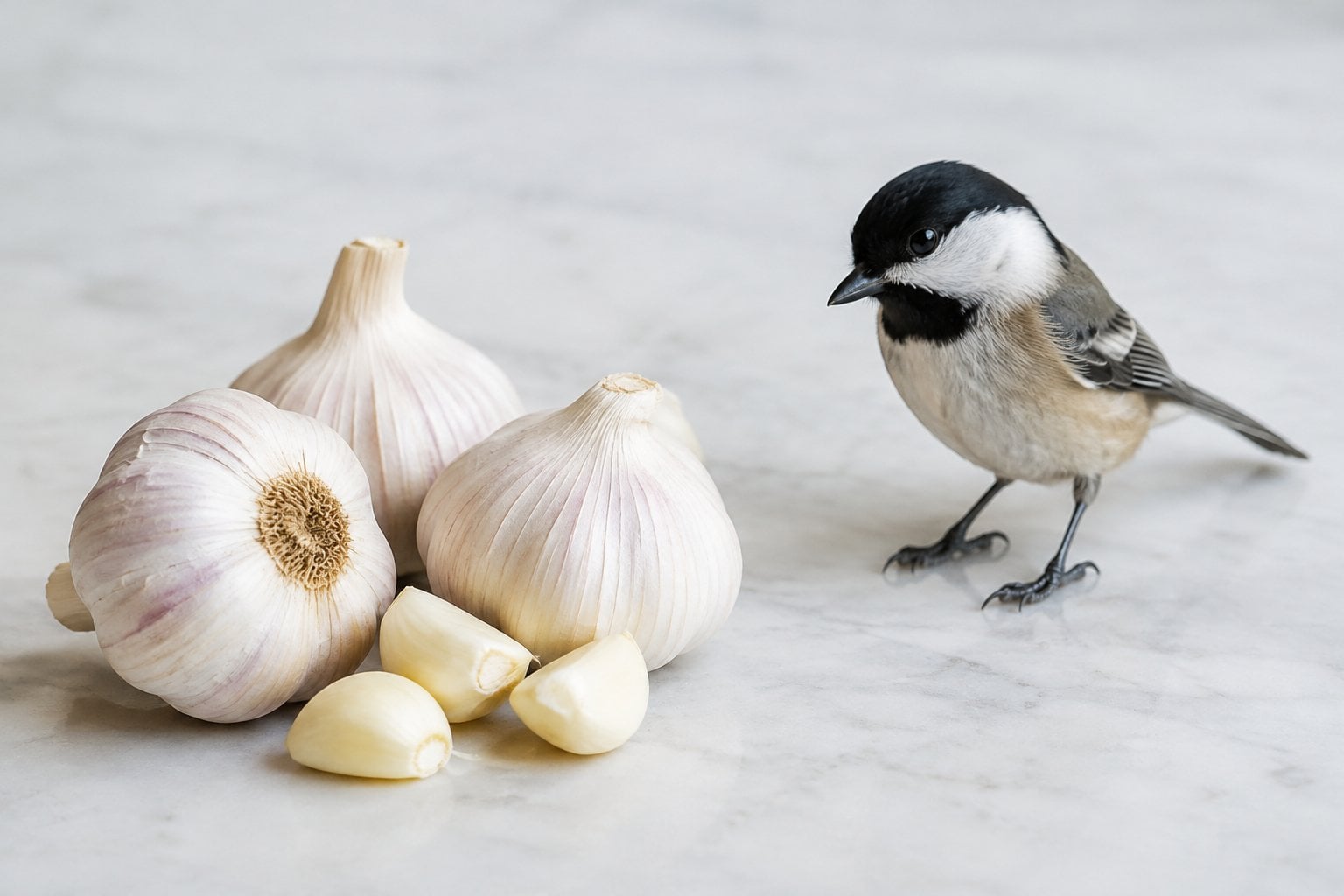
Garlic belongs to the same plant family as onions, leeks, chives and shallots, and it can harm birds in the same way. It contains compounds that damage red blood cells, and fatal garlic poisoning has been reported in a conure that was fed large amounts of it.
Fresh, cooked, dried and powdered garlic all count. A dusting of garlic powder on fries, chips or garlic bread is enough reason to keep those foods away from your bird.
This matters most for pet birds that beg for food from your plate. Backyard birds rarely find garlic, but don’t put seasoned leftovers or garlic bread on feeders or throw them to ducks.
Plain vegetables are a much better choice. Kale, romaine, shredded carrot, bell pepper and cooked sweet potato are all good options for pet birds.
8. Raw or Undercooked Dried Beans
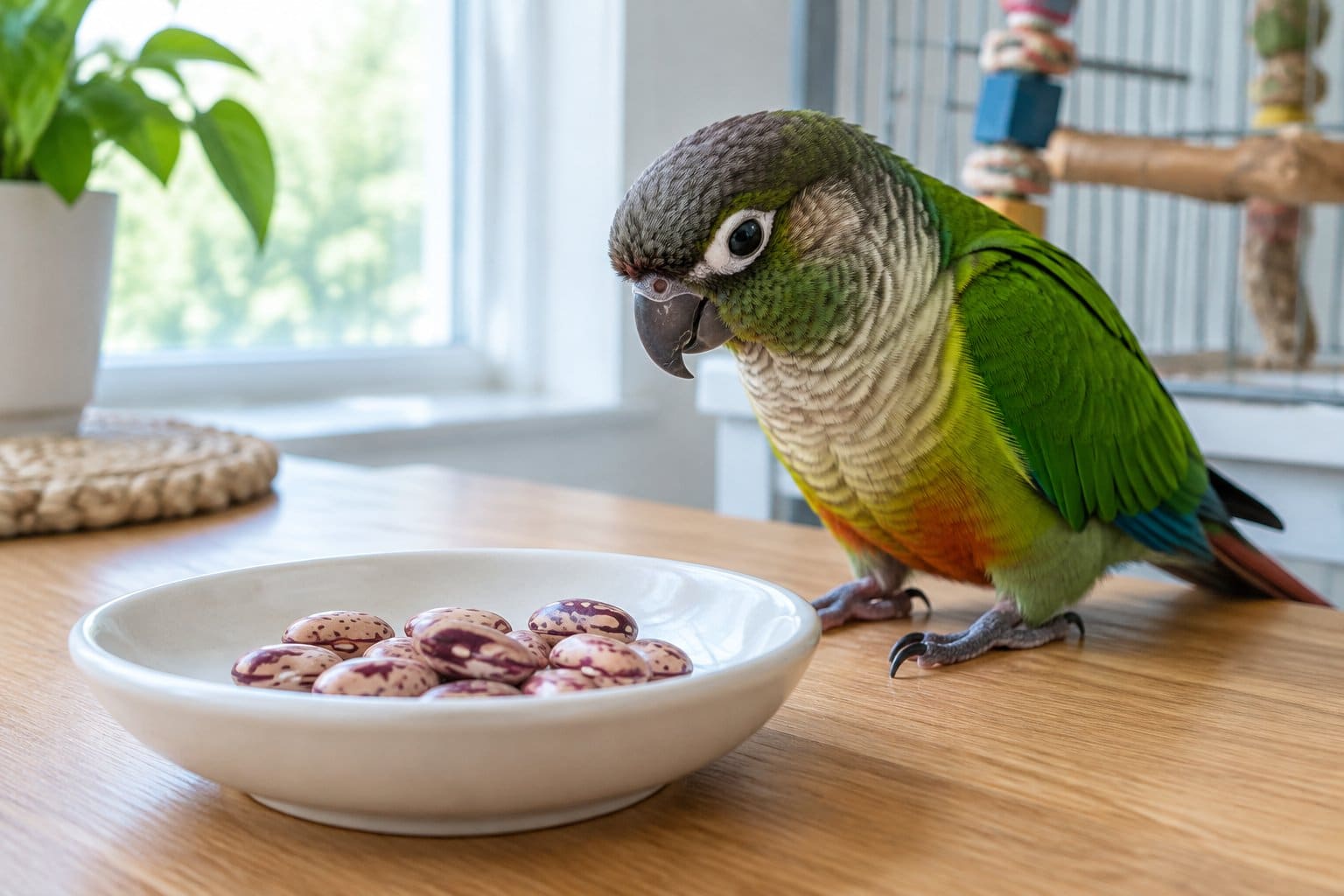
Dried beans such as kidney beans contain a natural toxin called phytohaemagglutinin. Red kidney beans have the highest levels. The toxin is destroyed by proper cooking, but raw beans and beans that were not cooked long enough can make animals and people sick.
Soaking alone is not enough. Food-safety agencies advise soaking dried kidney beans and then boiling them hard for at least 10 minutes. Slow cookers on a low setting may not get hot enough, and undercooked beans can be even more toxic than raw ones.
Many pet bird owners feed cooked beans as part of a healthy diet, and that’s fine. The danger is a bird picking at raw beans from a bag, a bowl of soaking beans or a pot that hasn’t finished cooking.
If you want to share beans, serve them fully cooked, plain and unsalted, with no onion, garlic or seasoning.
9. Apple Seeds
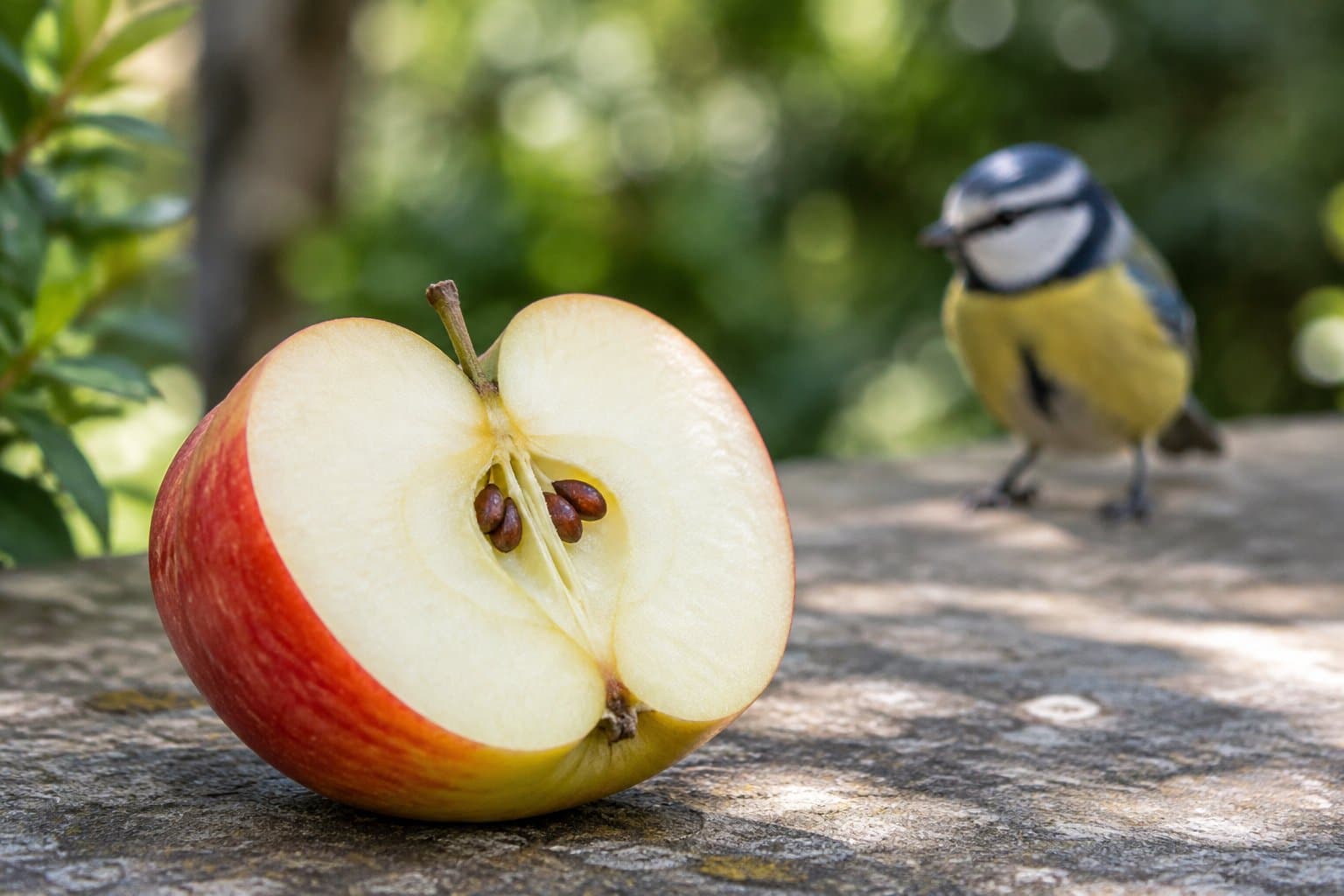
Apple slices are a healthy treat for most birds, but the seeds are not. Apple seeds contain a compound that releases cyanide, and avian vets advise removing every seed before you offer apple to your bird.
Pet parrots, budgies and cockatiels like to crack and chew things with their beaks, which makes it more likely they will break a seed open and release the toxin. Smaller birds are at greater risk because of their low body weight.
Backyard birds can be exposed too if you toss whole apple cores onto a feeder or lawn.
To keep things safe, core the apple and cut the flesh into small slices. Wash the fruit well first. Pears without seeds, banana, blueberries and melon are other easy, safe treats.
10. Cherry, Peach, Apricot and Plum Pits
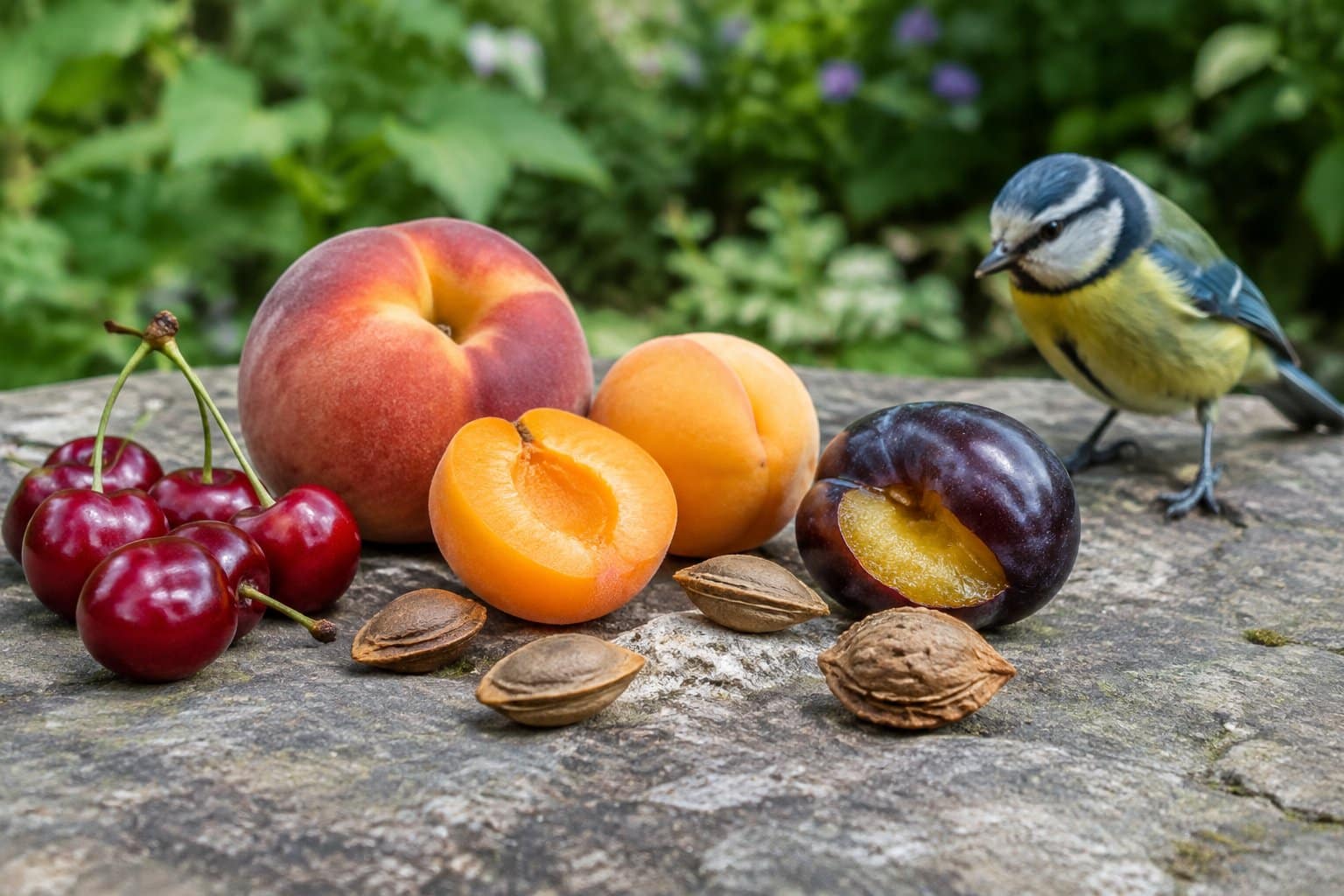
The flesh of stone fruits is generally fine for birds, but the pits are not. Pits from cherries, plums, apricots and peaches contain cyanide-producing compounds, and avian vets warn never to let your bird chew on them.
Parrots have powerful beaks that can crack a pit open, and many of them love to shell and destroy hard objects. That makes a whole peach or a bowl of cherries a real risk if your bird is loose in the kitchen.
Backyard birds usually eat around the pit or swallow small fruits whole, but it’s still best not to put pitted fruit scraps out for them.
Always remove the pit completely before offering any stone fruit. Pitted cherries, peach slices, berries, mango and melon all make good treats in small portions.
11. Rhubarb
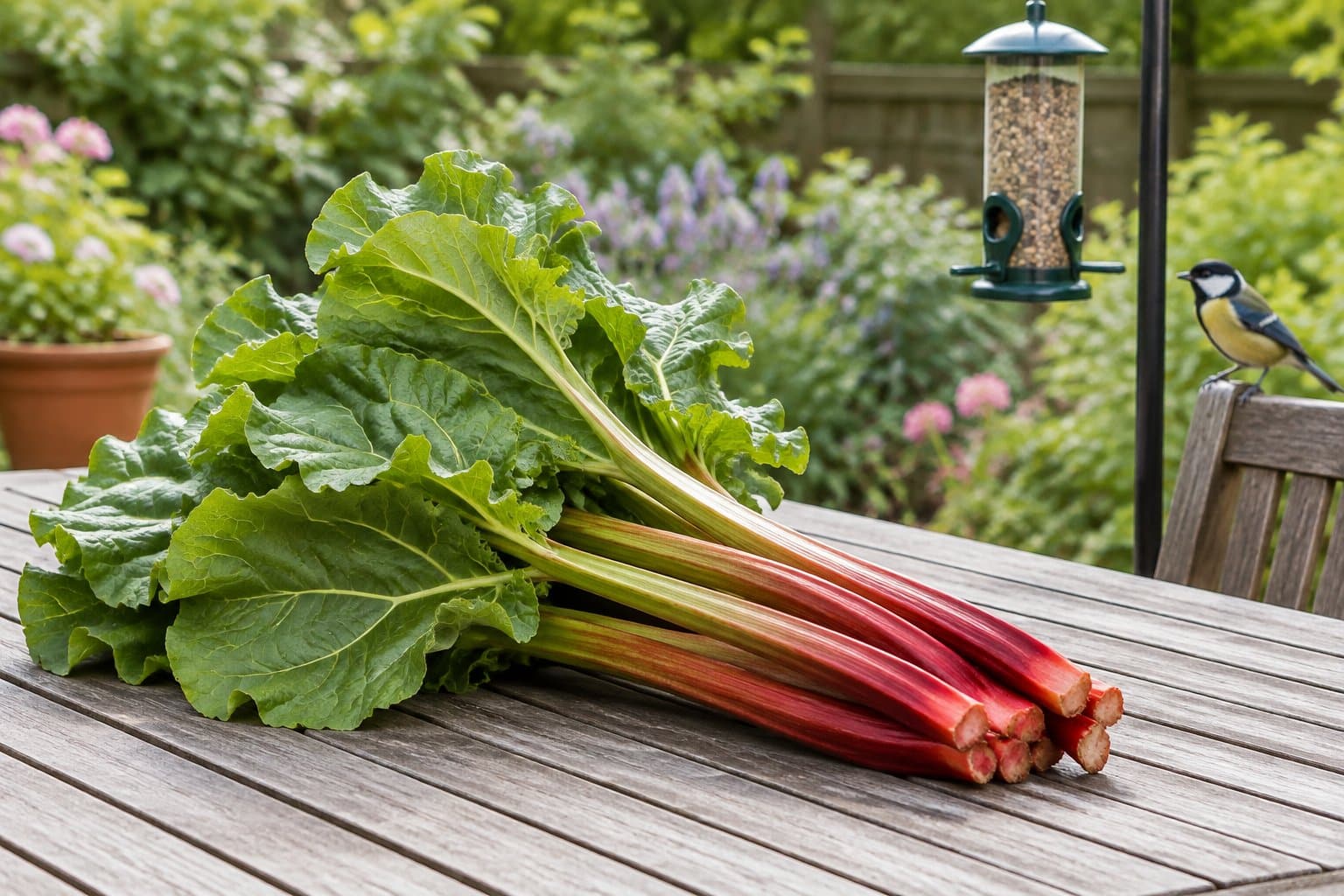
Rhubarb leaves contain oxalate crystals, which can cause kidney problems. The leaves are the most dangerous part, but the stalks also contain oxalates, so the whole plant is best kept away from birds.
This matters most for pet birds that are allowed into the kitchen or garden, since a curious bird may chew on a leaf or a raw stalk. Small birds like budgies and cockatiels have the least room for error.
If you grow rhubarb, compost or bin the leaves where backyard birds and free-ranging ducks or chickens can’t pick at them.
Leafy greens like kale and romaine are a far better choice. If your bird has eaten rhubarb, call your avian vet for advice.
12. Green Potatoes and Potato Sprouts
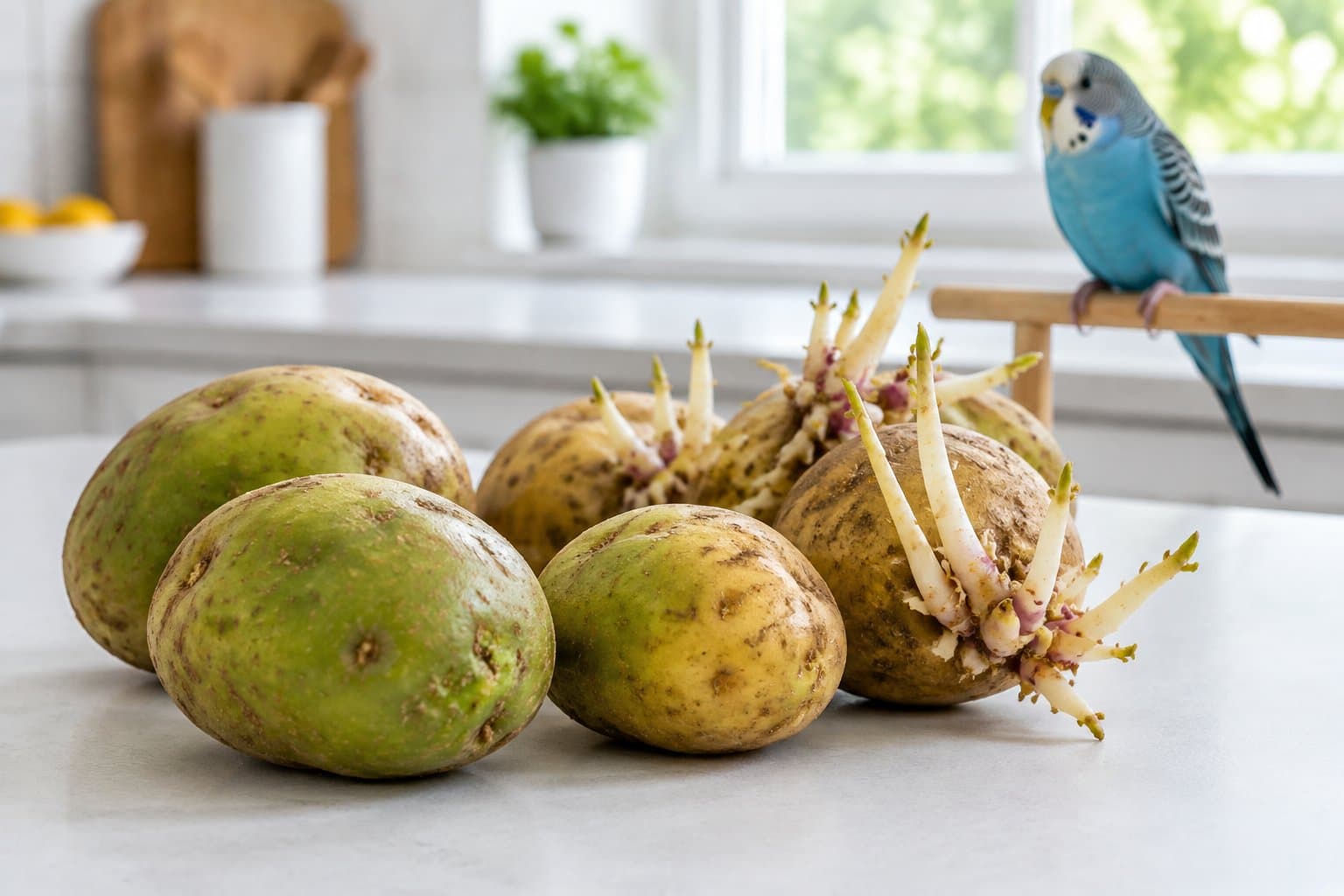
Potatoes belong to the nightshade family. Their green skin, eyes and sprouts contain solanine, a natural toxin that builds up when potatoes are exposed to light. A green tint under the skin is a sign that levels have risen.
Avian vets note that the fruits and tubers of nightshade plants can be eaten, but the plants themselves are toxic. That means a plain, well-cooked potato is fine in small amounts, while green potatoes, sprouts, peelings and potato leaves are not.
Backyard chickens and ducks are the birds most likely to find old potatoes and peelings in a compost heap or garden. Don’t put green or sprouted potatoes out at feeders either.
Cooked sweet potato, carrots and squash are safer choices for pet birds. Serve them plain, with no butter, salt or seasoning.
13. Tomato Leaves and Stems
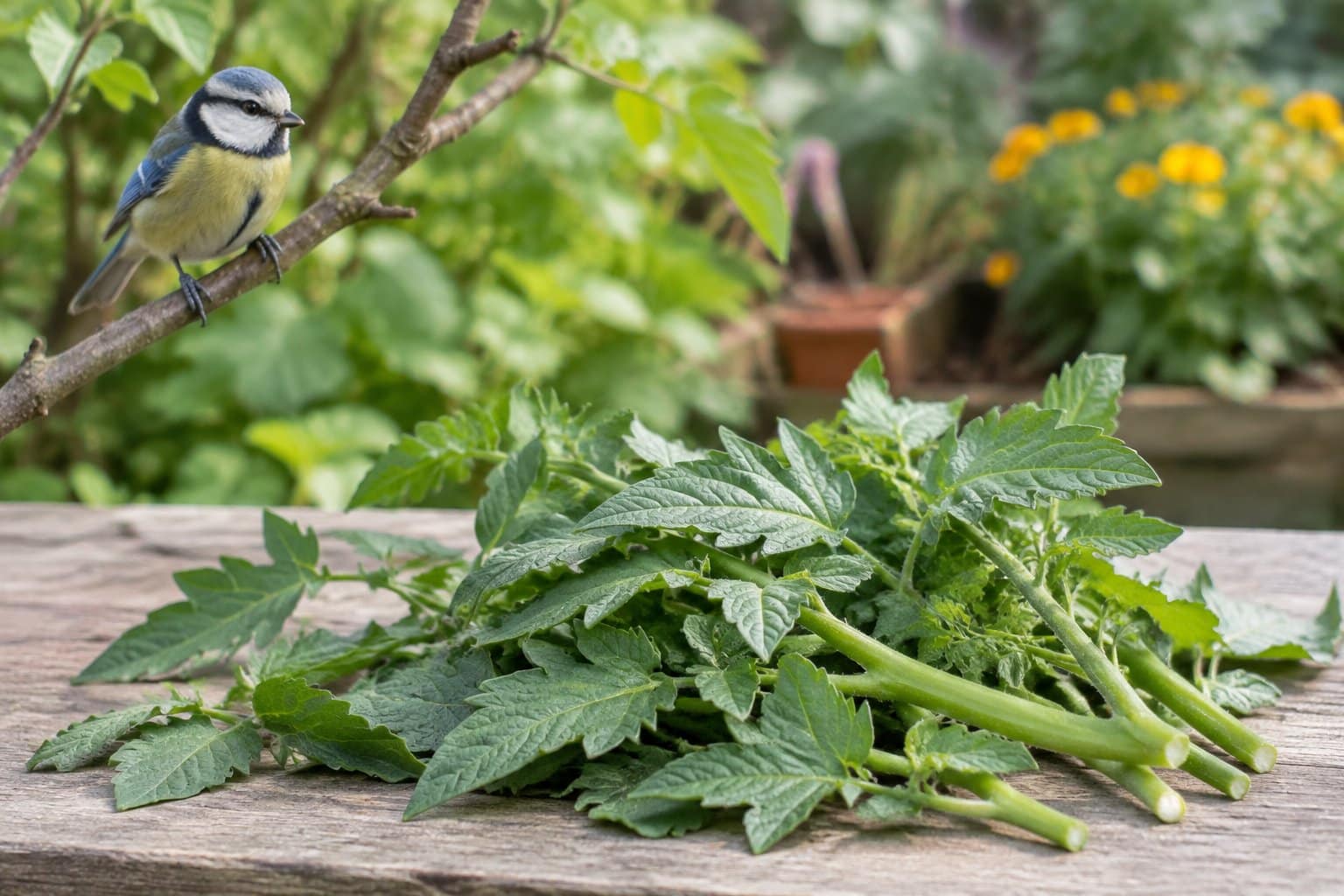
Ripe tomato fruit is generally considered fine for birds in small amounts, but the leaves, stems and vines are a different story. Like potatoes, tomatoes are nightshades, and the green parts of the plant are toxic.
This matters most for pet parrots, budgies and cockatiels in homes with tomato plants on a patio, balcony or windowsill. Birds explore with their beaks, and a few chews on a leaf can add up.
If your bird spends time outdoors with you, keep it away from vegetable beds. Free-ranging chickens and ducks should be kept out of the tomato patch too.
If you offer tomato, use a small piece of ripe fruit with the green top removed, and wash it well first.
14. Moldy Bread, Seed and Leftovers
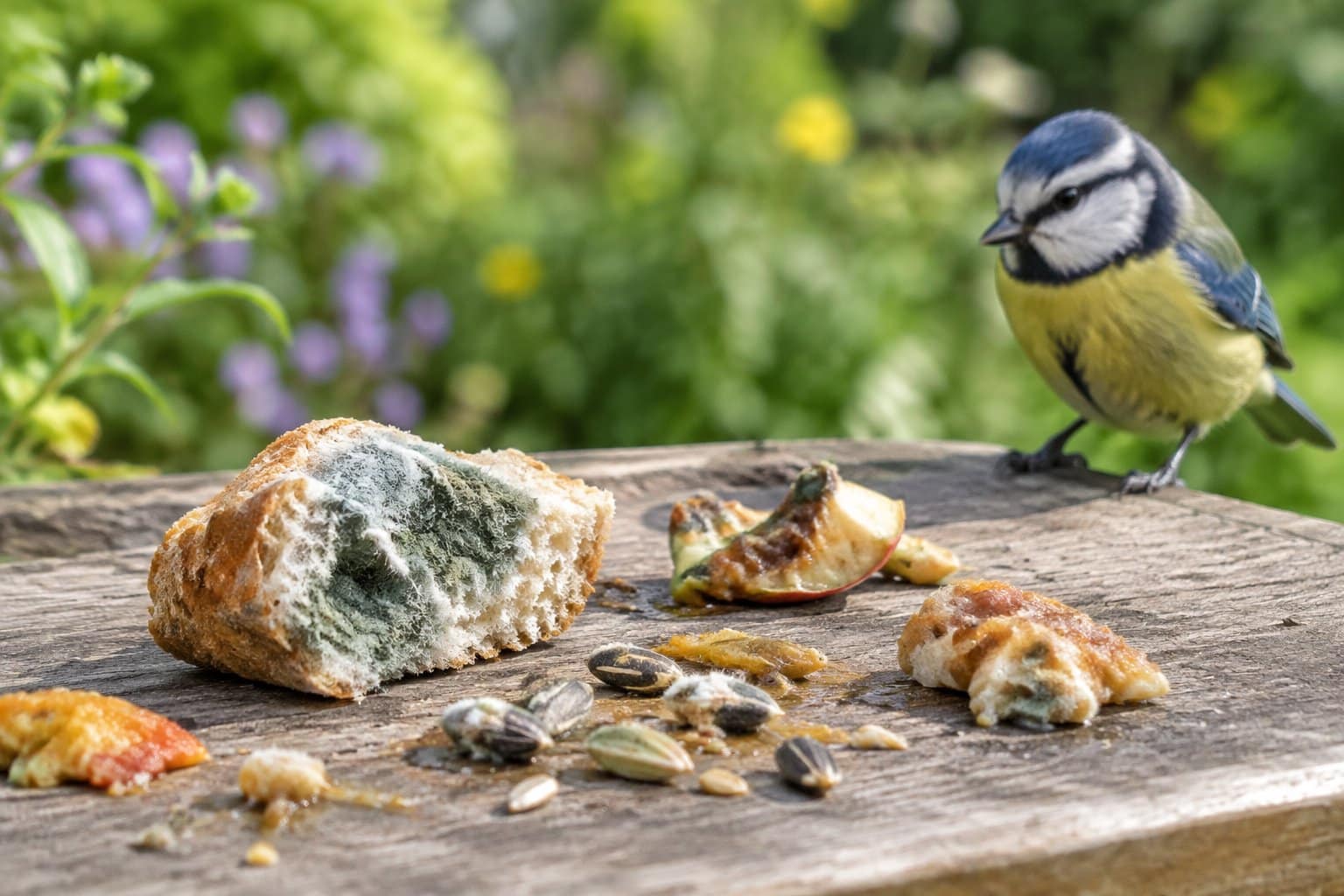
Mold is one of the most common and least obvious dangers in a bird’s food. Moldy peanuts, corn and other grains can be contaminated by fungi that produce toxins, including aflatoxin. The RSPB warns that poor-quality peanuts carrying aflatoxin can kill birds.
Mold also grows on bread, fruit and cooked scraps, and you can’t always see it. A musty smell, clumped seed or damp, discolored patches are all signs that food should be thrown out.
Pet birds are at risk when seed is stored in a humid spot or fresh food is left in the cage for hours. Backyard birds face the same problem when seed sits wet in a feeder or bread is left on the ground.
Buy fresh seed from a reputable seller, store it in a cool, dry, airtight container, and clean your feeders regularly. Remove fresh food from cages within a few hours.
15. Salty Chips and Crackers
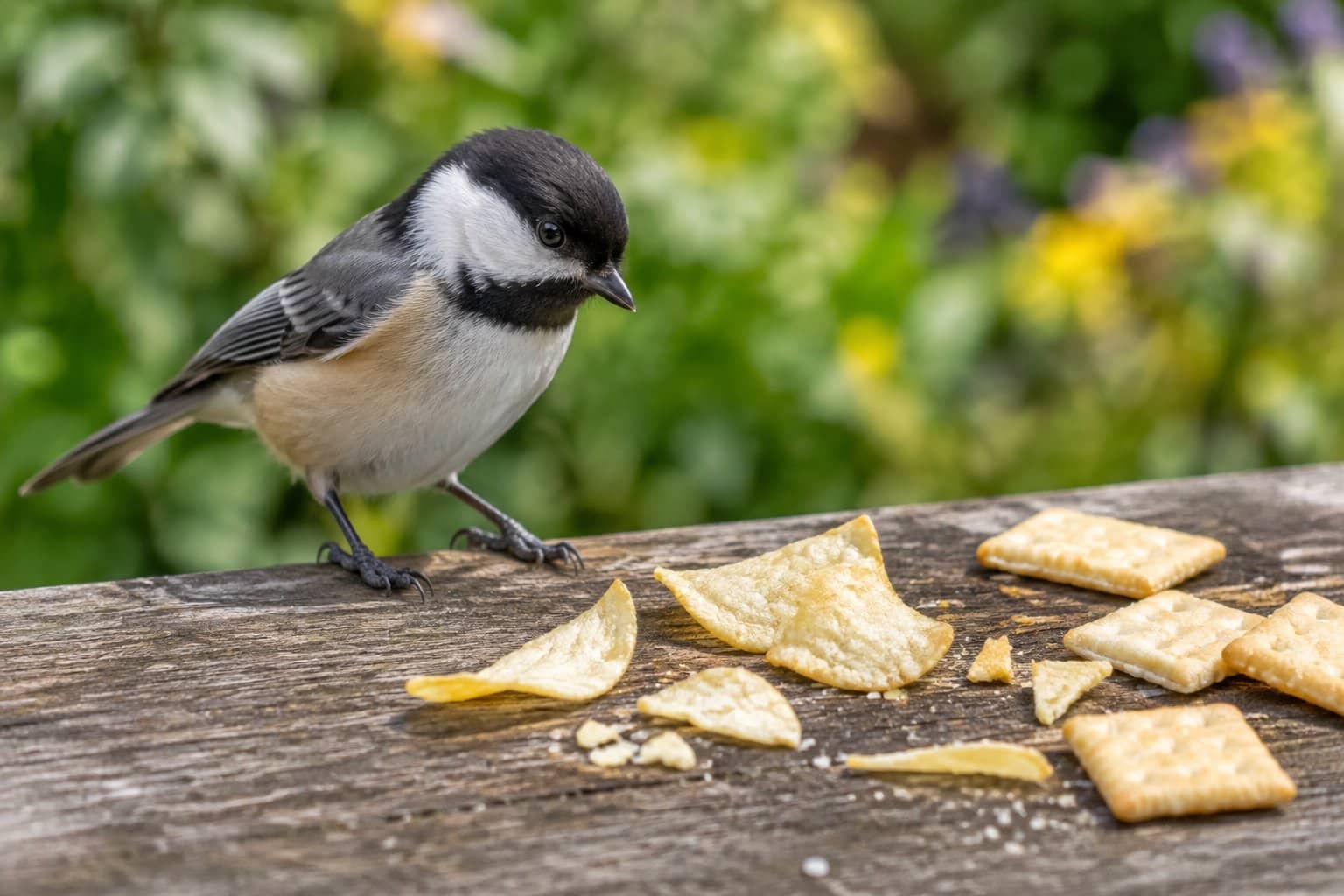
Chips, crackers, pretzels and other salty snacks are a poor choice for any bird. The RSPB’s advice is to avoid all salted foods, because salt dehydrates birds. Large amounts can lead to salt poisoning, which can cause weakness, tremors and death.
Avian vets add that table foods loaded with fat, salt and sugar are not technically toxic but can cause serious health problems in birds. Many snack foods are also flavored with onion or garlic powder.
This applies to pet parrots, budgies and cockatiels begging for a bite of your snack, and to park ducks and garden birds offered leftover chips.
For pet birds, a few unsalted seeds make a safer crunchy treat. For wild birds, stick to proper bird seed and keep fresh water available.
16. Salted Peanuts
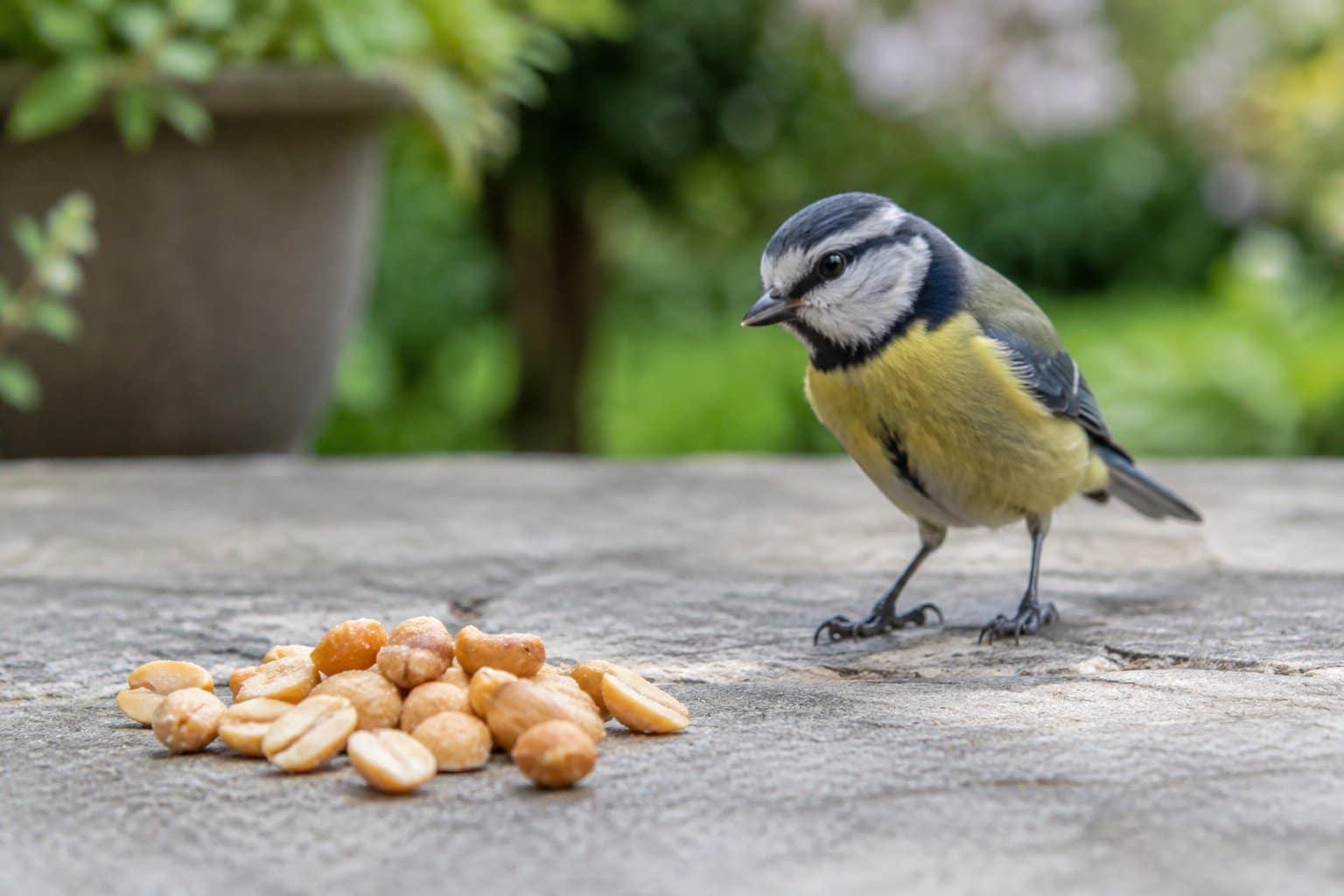
Peanuts are a popular food for backyard birds, but salted ones are not. Salted, dry-roasted and flavored peanuts carry the same salt problem as chips, and the RSPB lists all salted foods among the things you should never put out for birds.
This matters most for the birds that love peanut feeders, such as jays, chickadees, titmice, nuthatches and woodpeckers. It also applies to pet parrots that may be tempted by a shared bowl of bar snacks.
Quality matters as much as salt. Peanuts that are old or badly stored can carry aflatoxin, a fungal toxin that is deadly to birds.
Buy plain, unsalted peanuts sold for wild birds from a reputable supplier, ideally ones guaranteed free of aflatoxin. For pet birds, offer a few plain, human-grade unsalted peanuts or other nuts as an occasional treat.
17. Loose Whole Peanuts in Spring and Summer
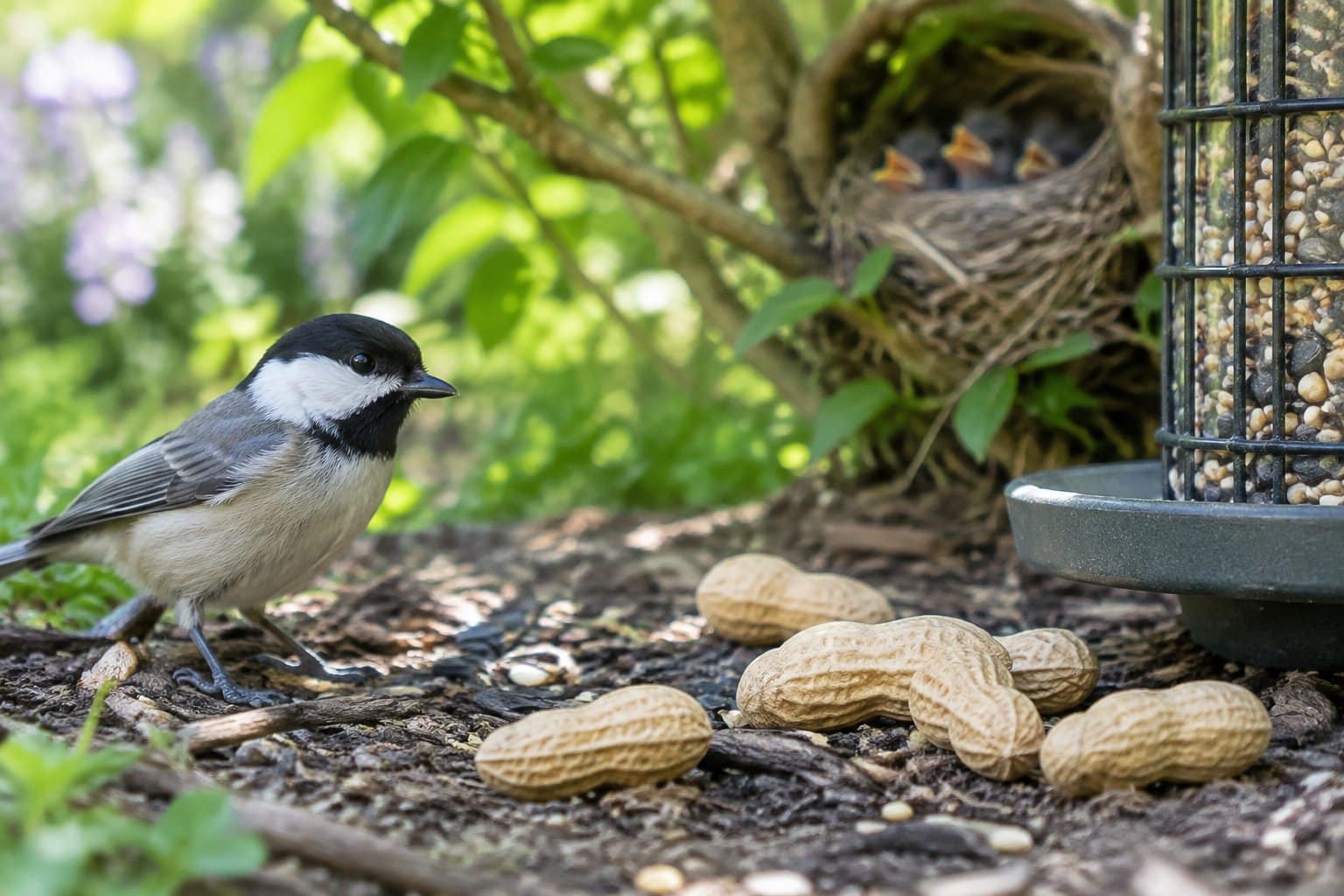
Even plain peanuts can be a problem if you put them out loose. The RSPB advises keeping peanuts in a suitable feeder so birds can only nibble off small pieces.
The concern is greatest in spring and summer. The RSPB warns that parent birds may carry dry, hard foods such as whole peanuts back to the nest, where their young can choke on them.
This matters for tits, chickadees, nuthatches, sparrows and other birds that raise families near your feeders. The adults usually cope fine; it’s the chicks that are at risk.
Use a rigid steel mesh feeder, which the RSPB calls the only safe way to offer nuts to wild birds. In the warmer months, offer softer foods such as mealworms instead of loose nuts and bread.
18. Bread for Ducks and Garden Birds
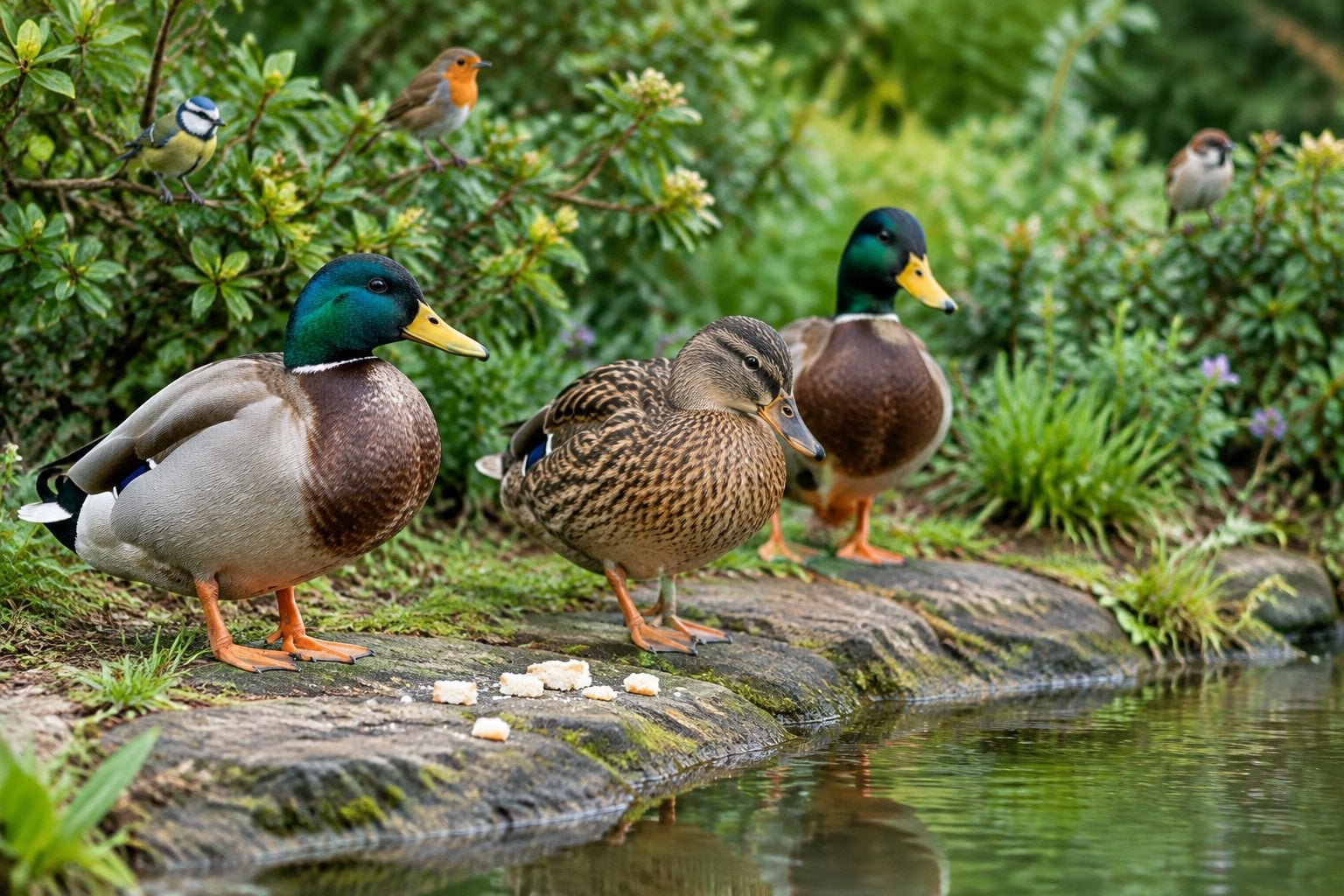
Bread is the food people most often give wild birds, and it’s one of the least suitable. It fills a bird up without giving it the protein, fat, vitamins and minerals it needs.
Ducks, geese and swans at busy ponds are the birds most affected. Wildlife agencies such as the Indiana Department of Natural Resources link a bread-heavy diet to angel wing, a condition in young waterfowl where the wing twists outward and the bird may never fly. Not every cause of angel wing is settled, but the advice from wildlife groups is consistent.
Bread also goes moldy fast, pollutes ponds and attracts rats. The RSPB adds that in spring and summer, parent birds may carry hard, dry bread to their nests, where chicks can choke on it.
For ducks, offer thawed frozen peas, chopped lettuce, oats or a waterfowl pellet. For garden birds, use seed, suet or mealworms.
19. Milk and Dairy Products
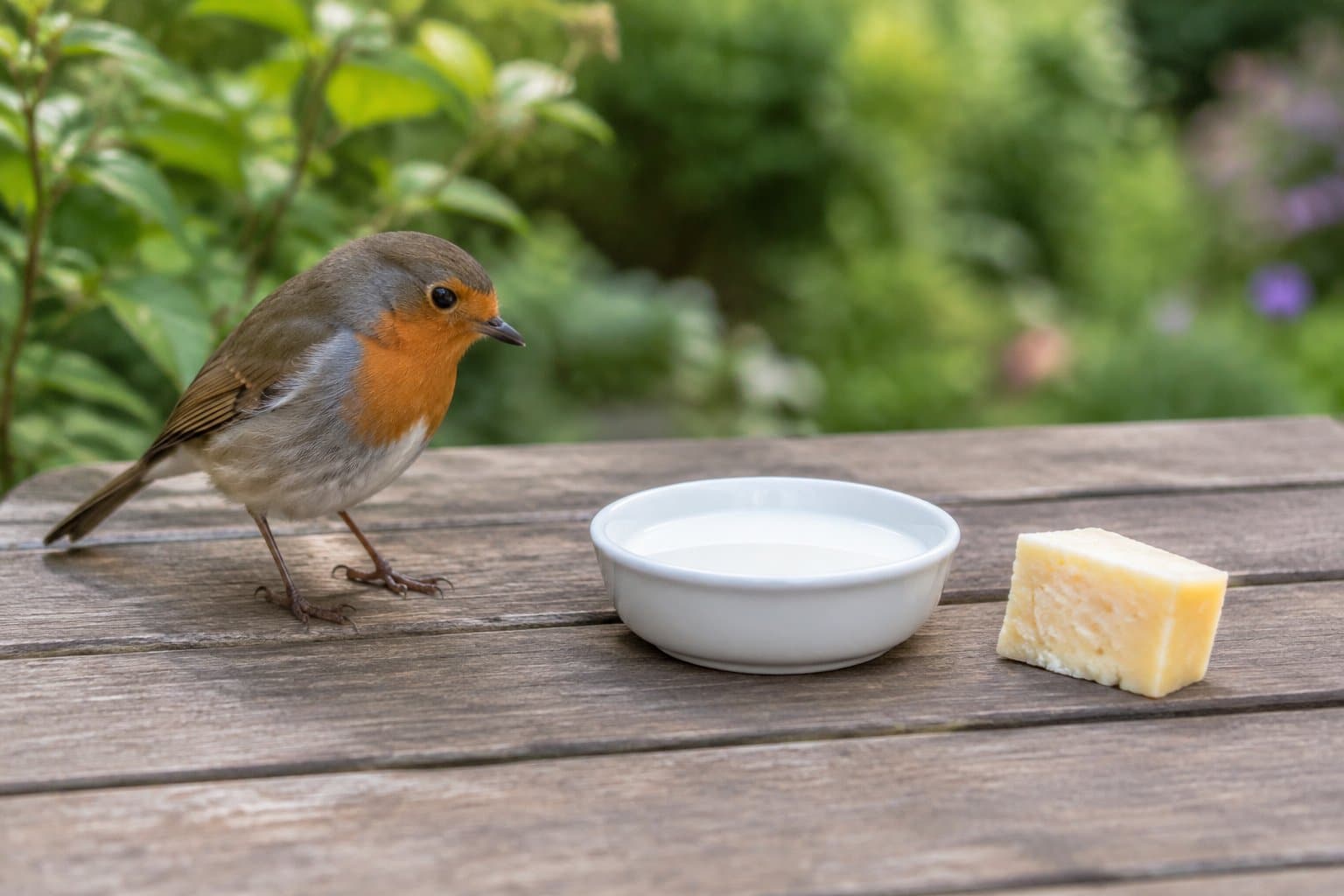
Milk is a poor food for birds. Birds can’t digest lactose, the sugar in milk, so as the amount of dairy in the diet increases, they can develop diarrhea.
This applies to wild birds and pet birds alike. Never soak bread in milk for garden birds or put out bowls of milk, which also sour quickly outdoors.
Some dairy foods, such as certain hard cheeses and yogurts, contain very little lactose. Avian vets say these can be offered to pet birds only as an occasional treat in small amounts, and cheese is often salty and fatty, so keep portions tiny.
For calcium, pet birds can get dark leafy greens, broccoli and a cuttlebone instead of dairy. Fresh water is the only drink any bird needs.
20. Sugary Candy and Sweets
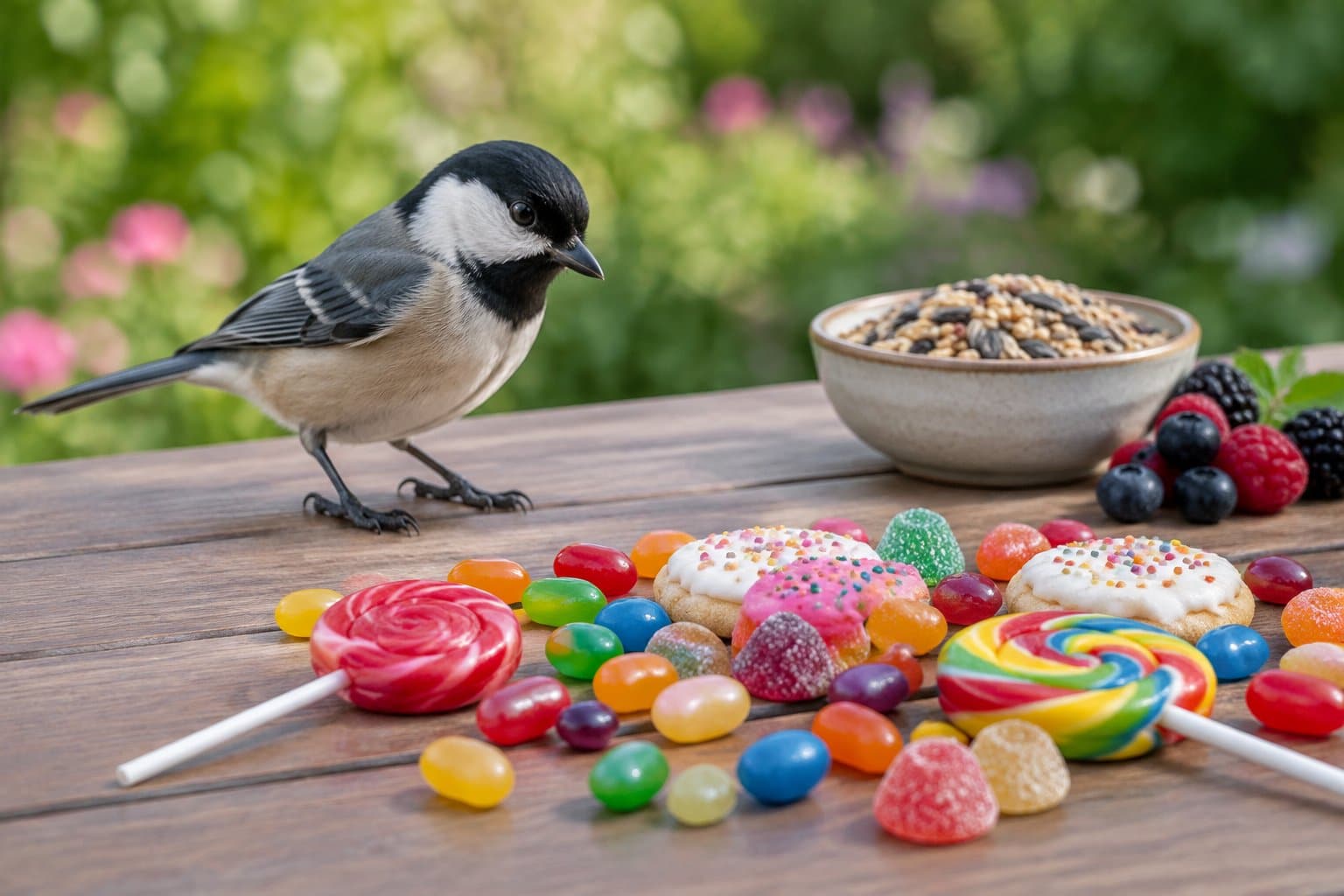
Candy, cookies, frosting and other sweets give birds nothing but empty calories. Avian vets warn that foods high in sugar, fat and salt, while not technically toxic, can cause serious health problems in birds over time, including obesity.
Parrots, budgies and cockatiels often love sweet tastes, so it’s easy to overdo treats. Sweets also fill a bird up so it eats less of the healthy food it needs. Many candies contain chocolate, which is toxic, and sugar-free candies may contain xylitol (see number 29).
Wild birds don’t need sweets either. Don’t toss cake, cookies or candy to ducks or put them on feeders.
For a sweet treat, give pet birds a small piece of fresh fruit, such as berries, seedless apple or melon. Backyard birds do better with native berry bushes and proper bird seed.
21. Deep-Fried and Greasy Food
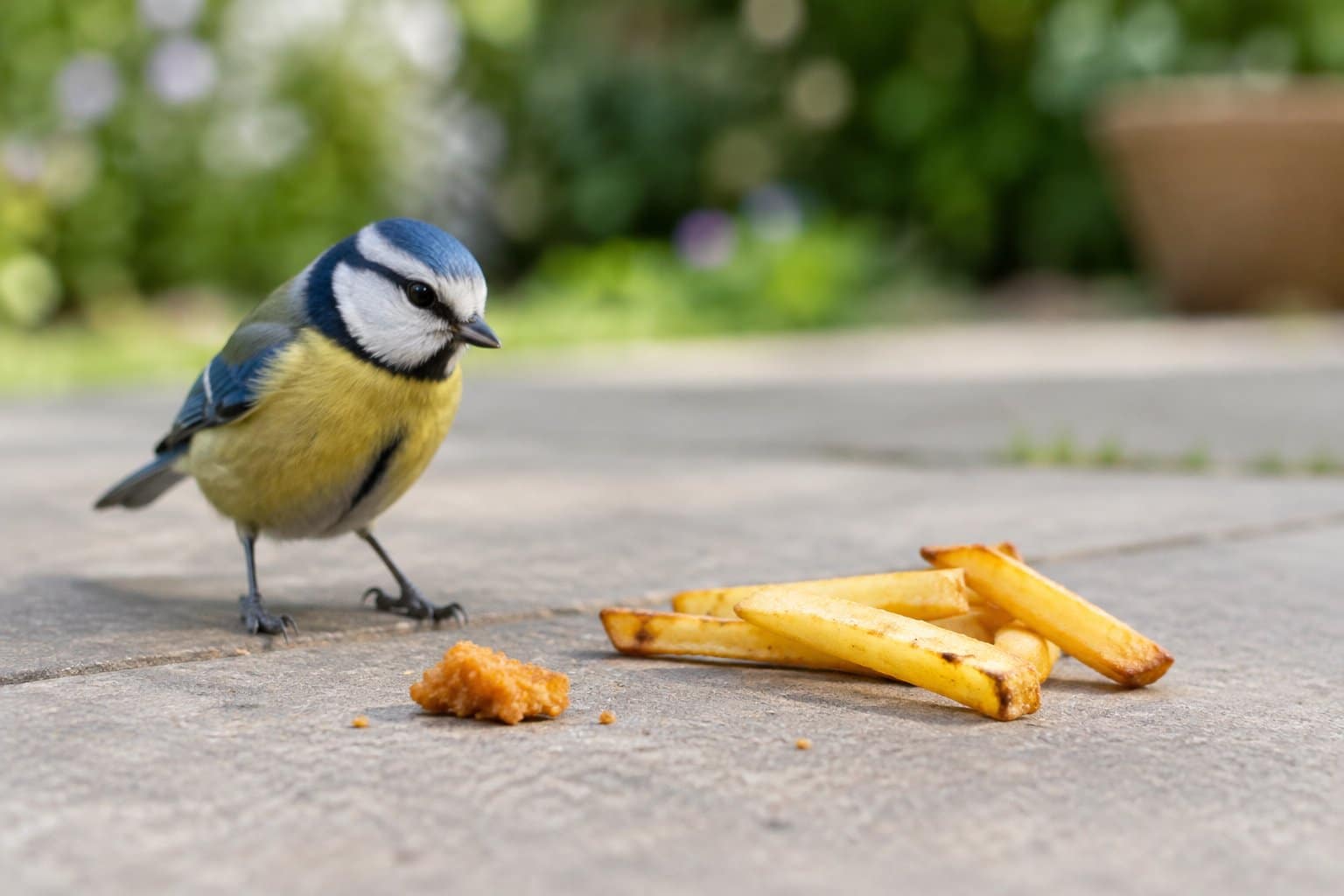
French fries, fried chicken, doughnuts and other deep-fried foods are high in fat and often high in salt. Birds get almost nothing useful from them.
For pet parrots, budgies and cockatiels, a diet high in fat contributes to obesity and fatty liver disease, two problems avian vets see often in birds fed lots of table scraps. Fried foods are also frequently seasoned with salt, onion or garlic powder.
Ducks and gulls at parks and beaches often get fries from visitors. They fill up on food that lacks the protein and vitamins they need. Greasy leftovers also turn rancid and draw rats to feeding areas.
Give pet birds fresh vegetables, leafy greens and a quality pellet instead. For ducks, offer peas, oats or chopped greens.
22. Bacon and Processed Meats
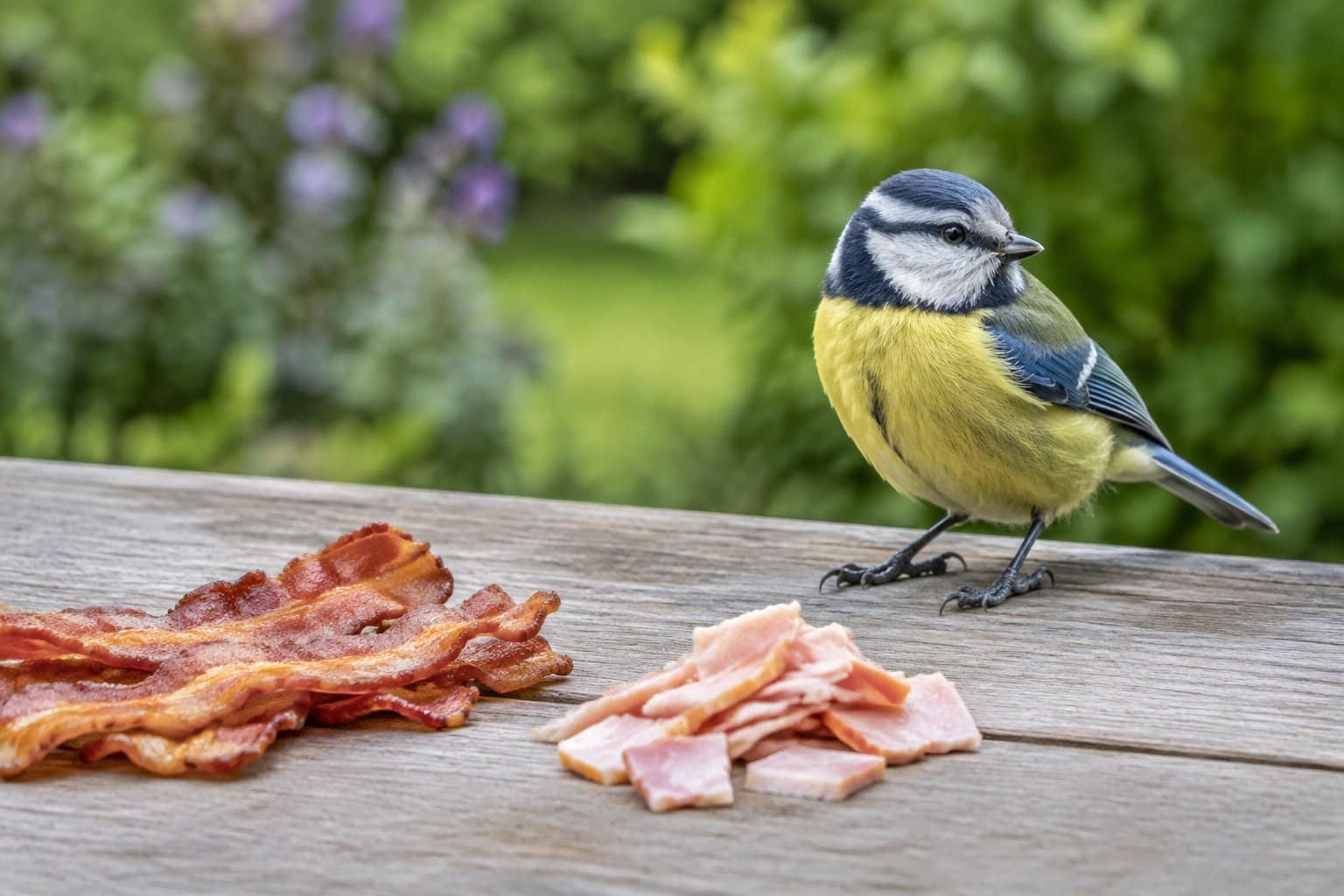
Bacon, ham, sausage, salami, hot dogs and deli meats are loaded with salt and fat, plus preservatives and seasonings. Birds are small, so a salty bite that seems tiny to you can be a big dose for them.
In pet birds, regular fatty, salty treats like these can contribute to obesity and fatty liver disease. Many processed meats are also seasoned with garlic or onion powder.
Backyard birds shouldn’t get them either. Salty meat scraps on a feeder can harm wild birds and attract rats and other pests.
If you want to give a pet bird a little extra protein, a small piece of plain cooked egg is a common choice. Wild birds do well with mealworms and suet made for birds.
23. Cooking Fat From the Roasting Pan
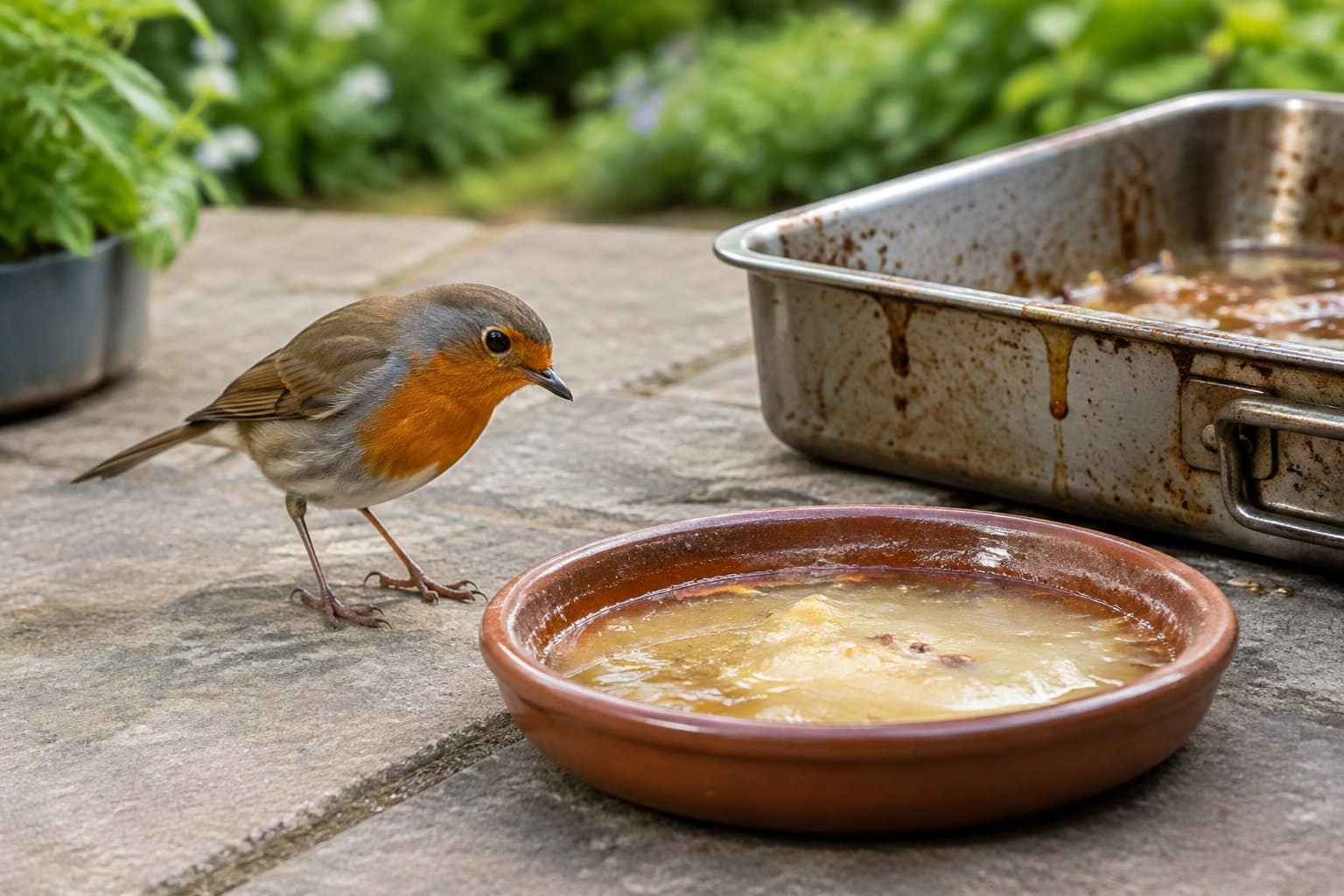
Fat left in a roasting pan, especially after a holiday turkey, may look like a free treat for birds, but the RSPB warns against putting it out.
Unlike pure fats such as lard or suet, cooked fat stays soft when it cools. It can smear onto feathers and ruin their waterproofing and insulation, which birds need to survive cold, wet weather. It is also mixed with meat juices, so it can go rancid quickly and become a breeding ground for salmonella and other bacteria. Salt added during cooking adds another risk.
Pet birds shouldn’t get pan drippings either, since rich, salty, seasoned fat is the opposite of what they need.
Let leftover fat cool and put it in the trash. For wild birds, buy suet cakes or fat balls made for birds, and hang them in a proper feeder.
24. Margarine and Vegetable Oil
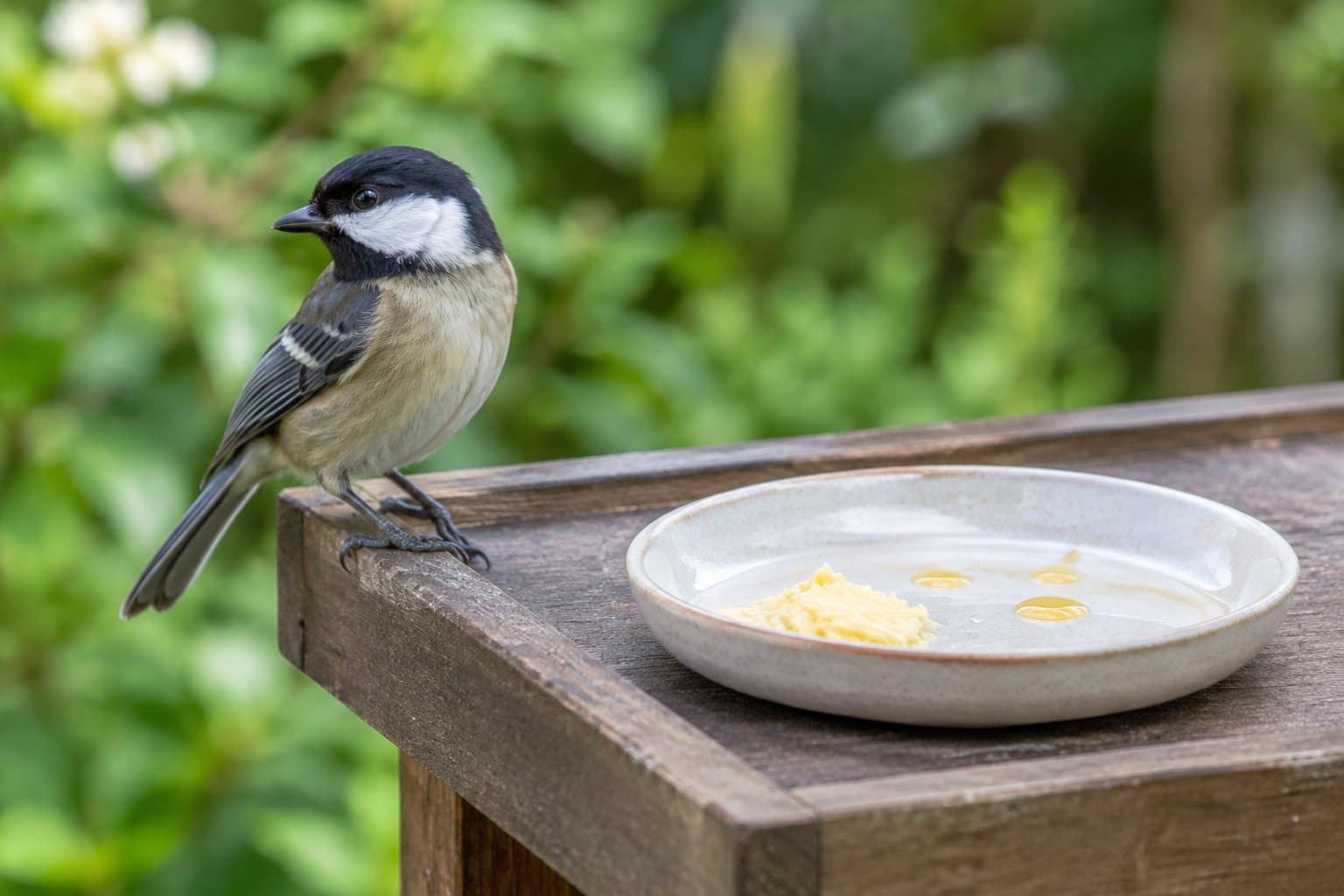
Margarine, butter spreads and cooking oils are almost pure fat, and they offer birds little nutrition. Like roasting-pan fat, they stay soft, so they can smear onto feathers instead of being eaten cleanly.
Feathers coated in grease lose some of their ability to keep a bird warm and dry, which matters most for garden birds in winter and for ducks and other waterfowl, whose waterproof feathers are essential.
For pet birds, extra fat on top of a seed-heavy diet adds to the risk of obesity and fatty liver disease. Margarine also usually contains salt.
Hard fats made for wild birds, such as suet blocks and fat balls, are the better choice outdoors. Pet birds get the healthy fats they need from small amounts of seeds and nuts.
25. Desiccated (Dry) Coconut
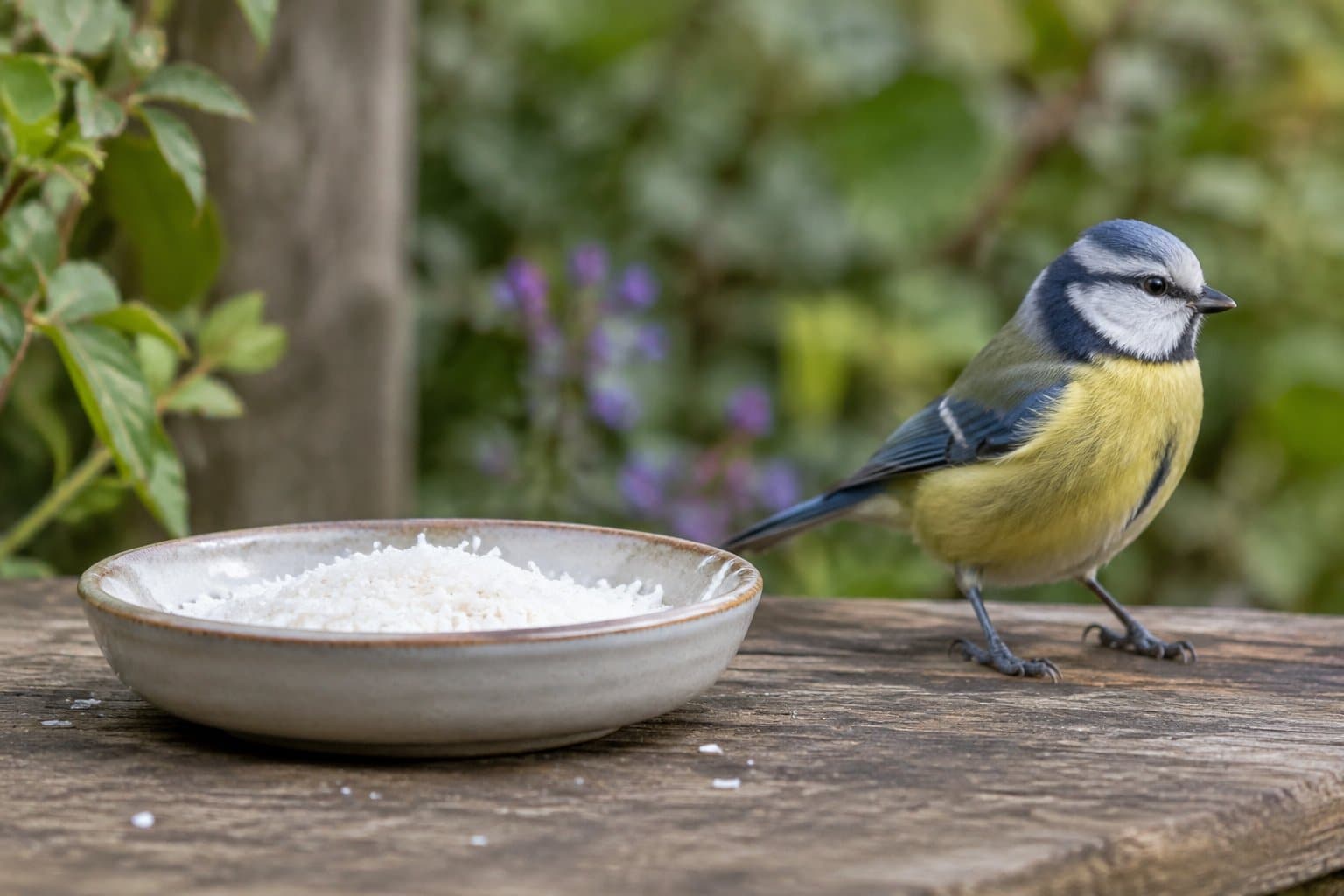
Desiccated coconut is the dry, shredded coconut sold in baking aisles. It looks like an easy food to scatter for birds, but bird groups advise against it. The RSPB’s guidance is to never put it out, because the dry flakes can swell once a bird eats them.
This matters most for backyard birds, especially when people empty leftover baking coconut onto a bird table.
Fresh coconut is different. It isn’t toxic, and some pet bird owners offer a little fresh coconut meat as an occasional treat. It is high in fat, though, and sweetened shredded coconut adds sugar, so keep portions small.
For wild birds, sunflower hearts or a quality seed mix are a much safer choice.
26. Cooked Porridge Oats
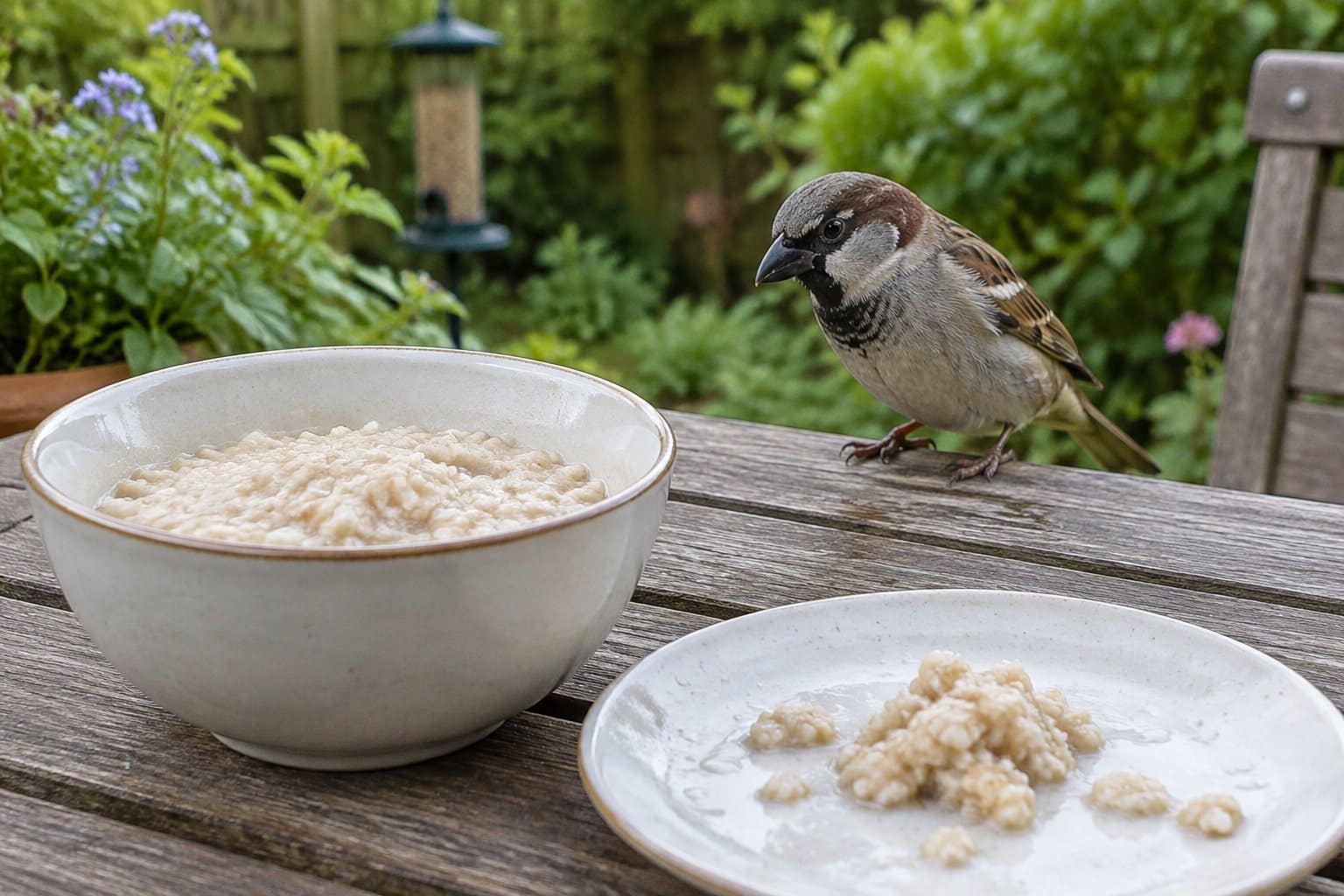
Dry, uncooked oats are a fine food for many garden birds. Cooked porridge is not. Once oats are cooked with water or milk, they turn into a sticky, glutinous paste.
According to RSPB advice, cooked porridge can harden around a bird’s beak, which makes it hard to eat and clean itself. Left outside, it also spoils quickly.
Pet birds shouldn’t get leftover porridge from your bowl either, especially if it’s made with milk, sugar or salt.
If you want to share oats with wild birds, offer them dry, straight from the packet, in a feeder.
27. Honey in Hummingbird Feeders
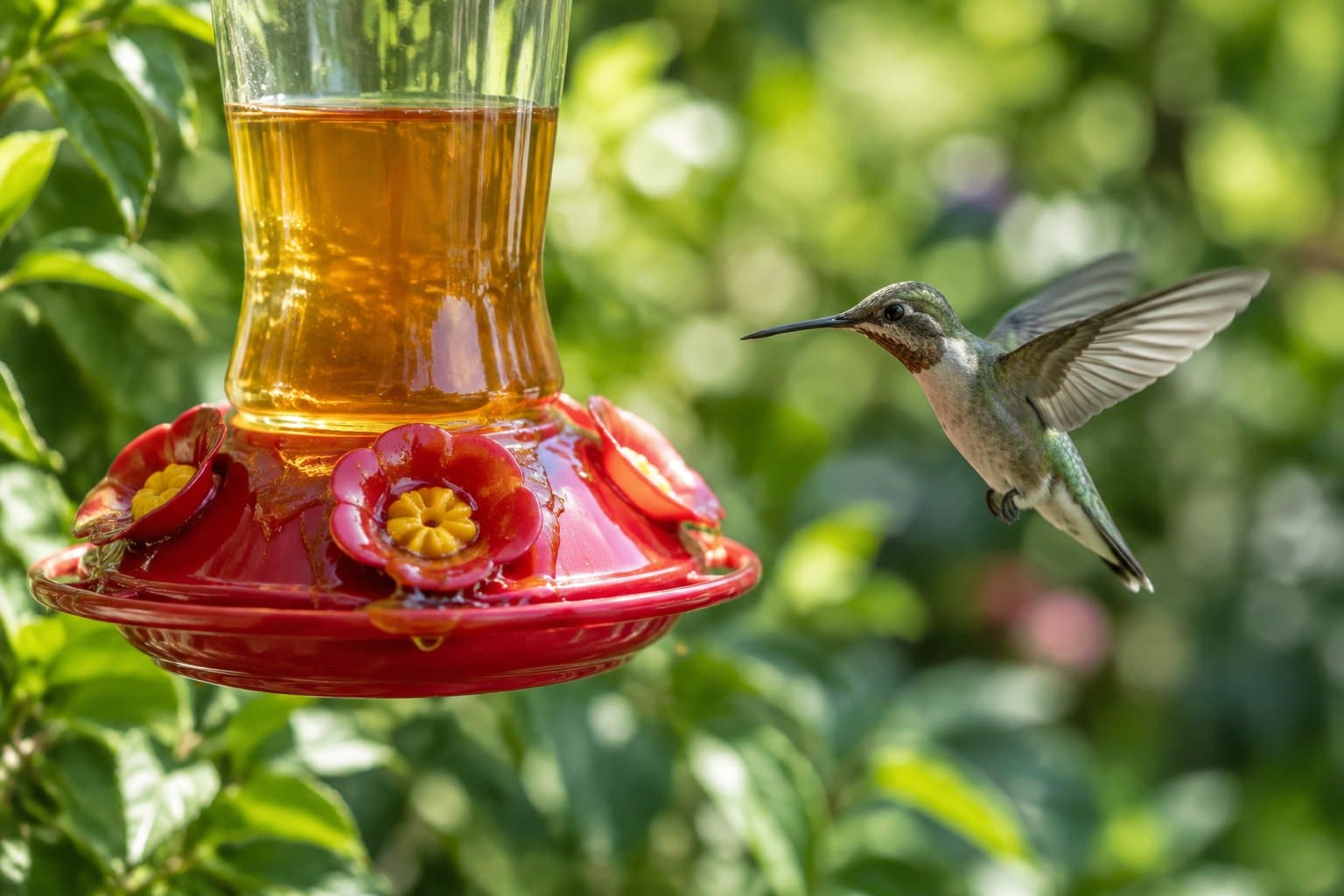
Honey seems like a natural choice for a nectar feeder, but it’s one of the worst. Audubon warns never to substitute honey for sugar, because it can promote dangerous fungal growth.
Hummingbirds visit feeders many times a day, so spoiled nectar can quickly affect the birds in your yard. Orioles and other nectar-loving visitors share the same feeders and the same risk.
Brown sugar and molasses are also on Audubon’s do-not-use list. Its advice is to use only refined white sugar.
Mix one part plain white sugar with four parts water and stir until it dissolves. Change the nectar every day or two in hot weather and every few days when it’s cooler, and clean the feeder each time.
28. Red-Dyed Hummingbird Nectar
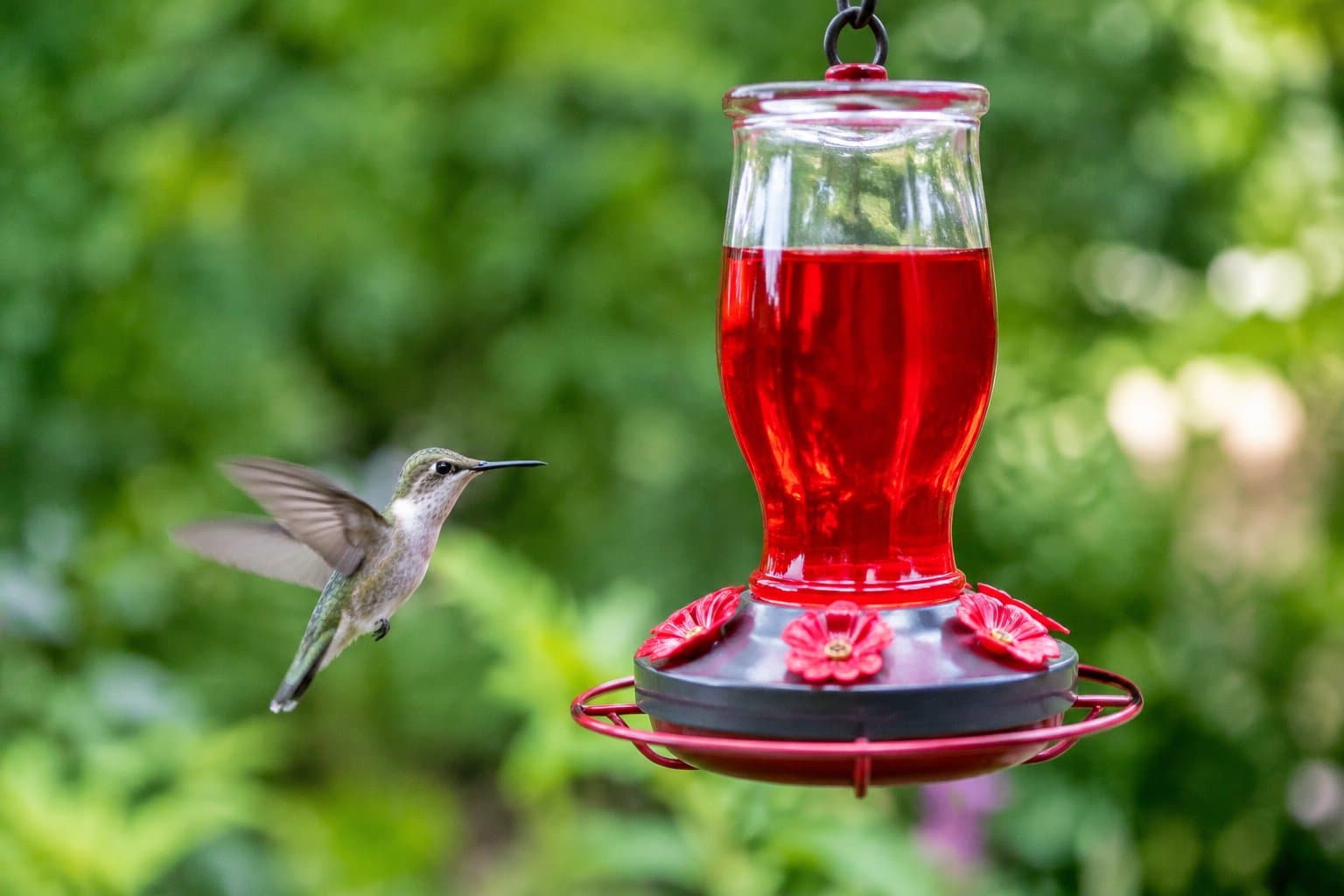
Store-bought red nectar and homemade nectar with food coloring are popular, but they aren’t needed. Audubon advises against adding red coloring, saying it is not necessary and the chemicals could prove harmful to the birds.
Natural flower nectar is clear. Hummingbirds are drawn to the color red, but most feeders already have bright red parts that catch their attention.
This matters for hummingbirds because they drink a lot of nectar for their size, so anything added to it adds up quickly.
Skip the dye and fill your feeder with plain sugar water. If you want extra color, plant red or orange tubular flowers nearby.
29. Artificial Sweeteners
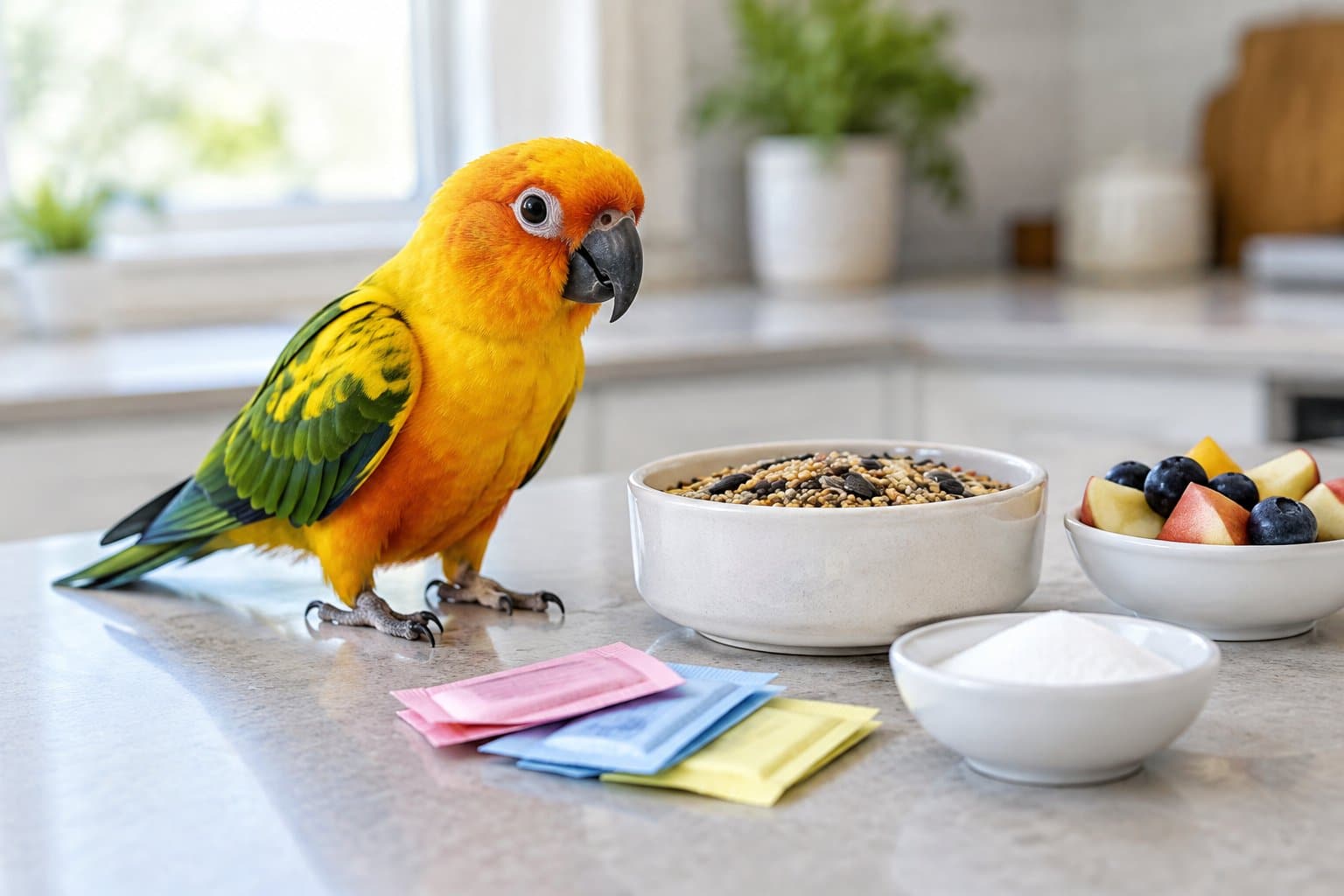
Artificial sweeteners have no place in a bird’s diet or a backyard feeder. Audubon says never to use them to make hummingbird nectar. Hummingbirds need the calories in real sugar to fuel their high energy needs, and sweeteners provide none.
Pet birds face a different risk. Sugar-free candy, gum and baked goods often contain xylitol, which is linked to severe low blood sugar and liver damage in dogs. Its effect on birds hasn’t been well studied, but avian vets put sugar-free candy on their do-not-feed list.
Keep sugar-free gum, mints and snacks out of your bird’s reach, and check labels before sharing any human treat.
For pet birds, small pieces of fresh fruit are the best sweet treat. For hummingbirds, use plain white sugar and water only.
30. Seed-Only Diets for Pet Birds
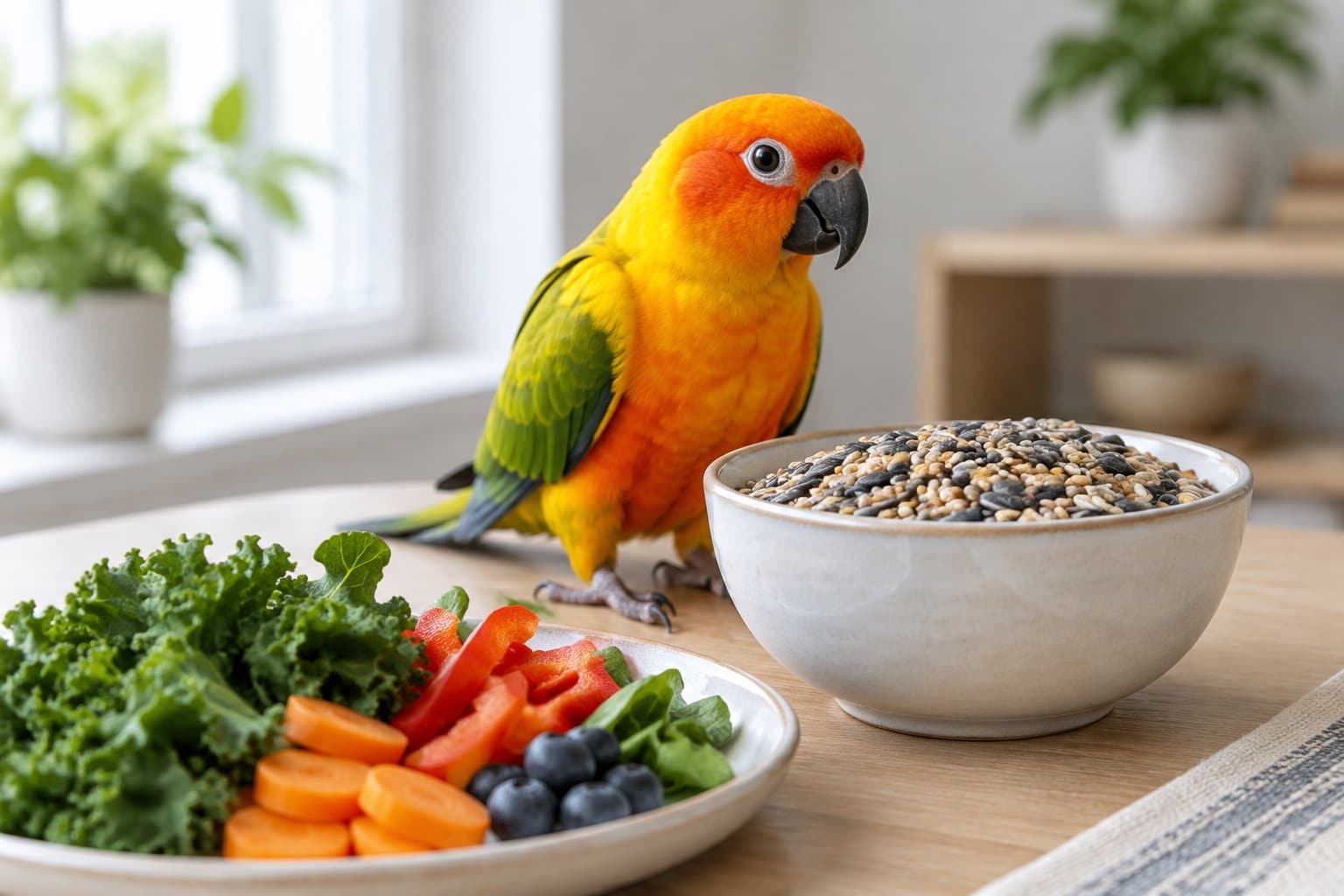
The most common feeding mistake with pet birds isn’t a toxic food at all. It’s a diet made up only of seeds. Many birds are sold with seed mixes, but seeds alone are not a complete diet.
Seeds are high in fat and low in vitamin A, calcium and other nutrients. Many birds pick out their favorite fatty seeds, like sunflower, and leave the rest. Avian vets commonly link seed-only diets to obesity, fatty liver disease and vitamin A deficiency, and budgies and cockatiels are especially prone to these problems.
This applies mainly to parrots, budgies, cockatiels and other pet birds. Wild birds eat a varied natural diet, so feeder seed is only a supplement for them.
For pet birds, make a quality pellet the base of the diet. Add fresh vegetables, a little fruit and a small portion of seeds as treats, and ask your avian vet how much to feed your species.
What to Do If a Bird Eats Something Toxic
If you think a bird has eaten something toxic, such as chocolate, avocado, caffeine, alcohol, onion or garlic, call an avian vet or emergency clinic right away. Don’t wait for symptoms, because birds often hide illness until they are very sick, and small birds can go downhill within hours.
Take away any remaining food, keep the bird warm and quiet, and note what it ate, how much and when. Don’t try to make your bird vomit or give home remedies unless a vet tells you to. If your vet is closed, the ASPCA Animal Poison Control Center (888-426-4435) can help, though a fee may apply.
Most feeding accidents happen in the kitchen, so keep your bird away from plates, cups and counters while you cook and eat. For backyard birds, stick to food made for birds, keep feeders clean and skip the leftovers.


